
The Outdoor Maintenance Calendar Most Homeowners Forget
Most homeowners have a mental list of seasonal chores like cleaning gutters or mowing the lawn, but the systems that quietly keep a property safe and functional often get overlooked until something breaks. A cracked well pump, a failing fence post, or a backed-up septic line rarely announce themselves in advance, and by the time you notice a problem, the fix is usually more expensive than the maintenance would have been. This calendar walks through the outdoor checkpoints that fall through the cracks of a typical homeowner’s routine. Working through it once a year can save you thousands in emergency repairs and protect the value of your property.

Inspect Your Water Supply Lines Before They Fail
Many homeowners assume that if water is coming out of the tap, everything behind the scenes must be fine, but pressure problems and contamination often build slowly before becoming obvious. If your home relies on a private well, the equipment that moves water from the ground into your house works constantly and wears down without much visible warning. A professional well pump service can measure pressure output, check the pressure tank, and catch early signs of motor strain before you are left without water entirely.
Scheduling this inspection annually, ideally before the heavy-use summer months, gives you a buffer to arrange repairs on your own timeline rather than during an emergency. Ask the technician to check the electrical connections and the depth of the pump as part of the visit.
- Listen for unusual cycling sounds, which often signal a failing pressure switch
- Check water clarity and taste seasonally for early signs of sediment
- Keep maintenance records so you can track performance over multiple years
- Ask about battery backup options if you live in an area prone to outages
Confirm Your Backflow Prevention Device Is Working
If your property has an irrigation system or a separate water line for outdoor fixtures, there is likely a backflow prevention device installed somewhere near the connection point. This device stops contaminated water from being pulled back into your clean water supply during a pressure drop, and many municipalities actually require annual verification. Back flow testing is quick, usually taking less than an hour, but it is one of those tasks that homeowners genuinely forget because the device sits out of sight near a hose bib or utility box.
Skipping this test is not just a convenience issue, it can also result in fines if your local water authority requires documentation. Mark the test date on a calendar reminder so it becomes a predictable yearly task rather than something you discover you missed when a notice arrives in the mail.
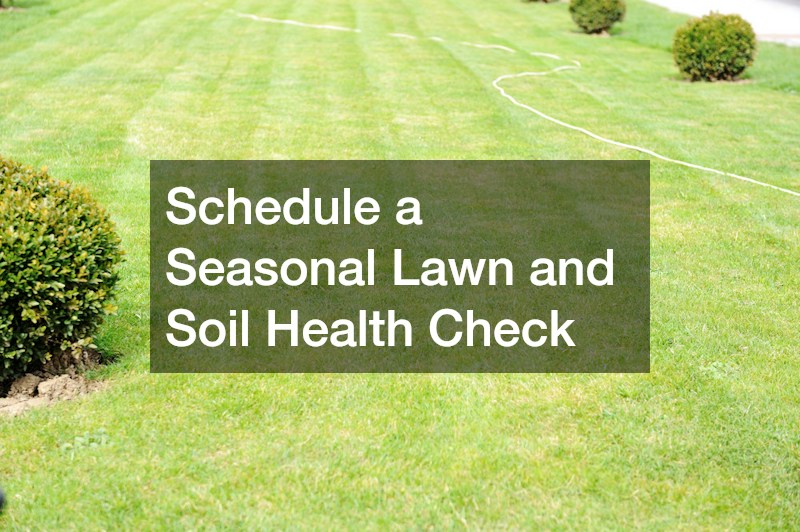
Schedule a Seasonal Lawn and Soil Health Check
A lawn that looks healthy on the surface can still be struggling underneath, especially if soil compaction or thatch buildup has been accumulating for a few seasons. Signs of trouble often include water pooling after rain, grass that feels spongy underfoot, or patches that brown out faster than the rest of the yard. By the time these symptoms are visible, the root system may already be oxygen-starved.
Aeration, overseeding, and proper fertilization timing all depend on your specific grass type and climate zone. Cool-season grasses like fescue and bluegrass generally benefit from fall aeration, while warm-season varieties such as Bermuda or zoysia respond better to late spring treatment. Get the timing wrong, and you risk stressing the lawn further instead of helping it recover. This is why many homeowners choose to bring in lawn care services rather than guessing at a schedule.
A good provider will test soil pH, check nutrient levels, and recommend a fertilization plan tailored to what your yard actually needs rather than a one-size-fits-all bag of fertilizer from the store. A professional can also identify drainage issues in your yard before they turn into standing water problems near your foundation. Catching a grading or drainage flaw during a routine spring or fall check is far cheaper than repairing basement seepage or foundation cracking later on.
Beyond aesthetics, a well-maintained lawn actually protects your property by managing runoff and reducing erosion around walkways and garden beds. Healthy, dense turf absorbs rainfall rather than letting it sheet across your yard, which means less sediment and debris washing into driveways, storm drains, and neighboring properties.
Scheduling a soil test every couple of years tells you exactly what nutrients are missing, which prevents overapplying fertilizer that can wash into storm drains. Most testing kits or local extension office services check for pH, nitrogen, phosphorus, and potassium levels, usually for under $30. A pH that’s too low or high, for instance outside the ideal 6.0 to 7.0 range for most grasses, can block nutrient absorption no matter how much fertilizer you apply.
Fall and early spring are the best times to test, since soil conditions are more stable and you can adjust treatments before peak growing season. While you’re at it, check for compaction by pushing a screwdriver into the ground; if it’s difficult to insert more than a couple of inches, aerating the lawn will help roots, water, and nutrients penetrate more effectively.
- Test soil pH in spring before applying any fertilizer treatments; most lawns thrive between 6.0 and 7.0, and a cheap home kit or county extension test will tell you if you need lime or sulfur
- Aerate compacted lawns in early fall for best root recovery, focusing on high-traffic areas like play zones and walkways where soil compacts fastest
- Watch for bare patches that may indicate grub damage underneath; tug the grass gently, and if it lifts like a loose carpet, grubs are likely the culprit
- Adjust mowing height seasonally to support deeper root growth, keeping blades longer (around 3-4 inches) in summer heat and slightly shorter in early spring and fall
- Overseed thin or bare areas in early fall when soil is still warm but air temperatures are cooling, giving new grass time to establish before winter
- Check drainage after heavy rain, since standing water for more than a few hours can signal compaction or grading issues that stress root systems
Watch for Rot and Structural Movement in Your Perimeter Barrier
Fences take a beating from weather exposure that many homeowners simply do not notice because they walk past the same boards every day without really looking closely. Wood fences in particular are vulnerable to rot at the base where posts meet the soil, and that damage can spread upward long before it becomes visibly obvious. A simple annual check involves pushing gently on several posts to feel for give, since a wobbly post usually means the wood below ground has already started breaking down.
Sealing or staining wood fencing every two to three years dramatically extends its lifespan by blocking moisture penetration. If you catch rot early, replacing a single post section is far cheaper than rebuilding an entire fence line after a storm topples weakened posts.
- Inspect metal brackets and hinges for rust that can weaken joints
- Trim vegetation away from fence lines to reduce trapped moisture
- Reapply sealant before the rainy season in your region
- Check for leaning sections after heavy wind events
Have Your Septic System Pumped on a Regular Cycle
Septic systems are easy to ignore because they work silently underground until the moment they do not, and by then you are often dealing with backups or unpleasant odors in the yard. Most residential tanks need to be emptied every three to five years depending on household size and usage, and arranging to pump out septic tank contents on schedule prevents solids from overflowing into the drain field. Once the drain field is damaged, repairs can cost far more than routine pumping ever would.
Keep a written record of your last service date, since many homeowners inherit a property without knowing the tank’s history or location. If you notice slow drains throughout the house or unusually lush patches of grass over the drain field, those are signs you should not wait for the next scheduled pump out.
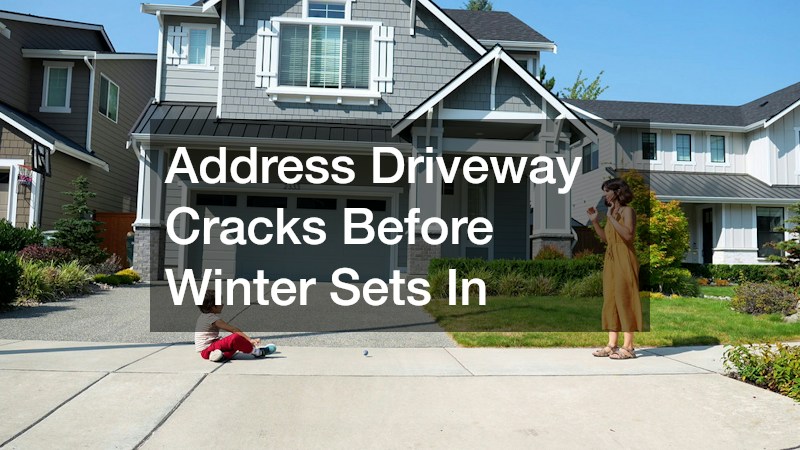
Address Driveway Cracks Before Winter Sets In
Small cracks in asphalt driveways might look cosmetic, but water seeping into them during freeze and thaw cycles can widen those cracks dramatically within a single winter. Sealcoating every two to three years protects the surface from UV damage and moisture intrusion, and most asphalt companies recommend doing this in late summer or early fall when temperatures allow the sealant to cure properly. Catching cracks early with a simple filler is far less expensive than a full repaving project a few years down the line.
Pay attention to drainage patterns around your driveway as well, since pooling water at the edges often means the surface has started to settle unevenly. A short conversation with a paving contractor during a routine inspection can help you plan ahead rather than reacting to a pothole that appears overnight.
Act Quickly When Water Damage Appears Outdoors
Outdoor water damage is often dismissed as a minor nuisance, but staining on siding, soft spots near foundation walls, or persistent dampness in a crawlspace can indicate a problem that is actively spreading. Water damage restoration professionals are trained to identify moisture sources that are not always visible to the untreated eye, including damage that has already started affecting insulation or structural wood. Waiting even a few weeks longer than necessary allows mold colonies to establish themselves, which turns a simple drying job into a far more invasive remediation project.
If you notice a musty smell near an exterior wall or basement window well, it is worth investigating immediately rather than waiting for a seasonal inspection. Keep gutters and downspouts directed well away from your foundation to reduce the chances of ever needing this kind of intervention at all.
Store Equipment and Supplies in a Dedicated Outdoor Structure
Lawn equipment, seasonal decorations, and tools left exposed to the elements degrade far faster than most people expect, and garages often fill up with vehicles and household overflow long before outdoor gear finds a permanent home. Many homeowners are now installing coverall buildings as an affordable alternative to traditional garages, since the fabric and steel frame construction sheds snow and rain effectively while costing less than a conventional build. These structures also give you a dry space to perform small maintenance tasks like sharpening mower blades or treating wood fence posts before they go back up.
Proper ventilation inside any storage structure matters just as much as the shelter itself, since trapped moisture can rust metal tools and warp wooden handles over time. Adding simple shelving and labeled bins makes seasonal transitions easier, so you are not digging through a disorganized pile every time the weather shifts.

Clear Out Debris and Renovation Waste Before It Piles Up
Outdoor projects, whether it is a fence replacement, a landscaping overhaul, or a garage cleanout, tend to generate more waste than homeowners anticipate, and that debris left sitting in the yard becomes both an eyesore and a tripping hazard. Renting roll off dumpsters for larger projects keeps the worksite organized and prevents the temptation to pile scrap wood or old shingles against the side of the house indefinitely. Having a dedicated container also makes it easier to separate recyclable materials from genuine trash, which some municipalities require for larger cleanup projects.
Planning for waste removal before a project starts, rather than scrambling once debris accumulates, keeps your timeline on track and your yard safer for kids and pets in the meantime. Most rental companies offer a range of sizes, so matching the container to your project scope prevents paying for capacity you do not actually need.
Know When to Call a Licensed Professional for Plumbing Issues
Outdoor plumbing, including hose bibs, irrigation backflow connections, and buried supply lines, is easy to forget because it rarely comes to mind until water starts pooling somewhere unexpected. A licensed plumber can trace the source of outdoor leaks that are often mistaken for simple drainage issues, and catching these problems early prevents foundation erosion and wasted water bills that creep up slowly. Scheduling an annual walkthrough with a plumber alongside your other seasonal maintenance tasks means small issues get caught during a routine visit rather than during an emergency call.
Frozen or burst outdoor pipes are one of the most common cold weather emergencies homeowners face, and much of that damage is preventable with proper insulation and timely shutoffs before the first hard freeze. Keeping a trusted professional’s contact information on hand, rather than searching during a crisis, makes the eventual call far less stressful.
Building a simple outdoor maintenance calendar, even a basic list taped inside a garage door, turns these easy-to-forget tasks into predictable yearly habits rather than expensive surprises. Start by picking the two or three items on this list you have never addressed before and schedule them over the next few months. Small, consistent attention to these systems protects both your budget and the long-term value of your property.
