Smart Upgrades That Improve Comfort and Lower Utility Bills
Making smart improvements to a home can help homeowners enjoy more consistent indoor temperatures, reduce water waste, and manage monthly utility expenses. Many upgrades do not require a complete renovation. Simple adjustments, targeted repairs, and carefully selected equipment can make a meaningful difference in everyday comfort.
The key is identifying where a home loses energy or uses more resources than necessary. Outdated equipment, poor insulation, inefficient fixtures, and inconsistent temperature control can all contribute to higher operating costs. By prioritizing improvements according to household needs, homeowners can make informed decisions that deliver practical benefits over time.
Improve Temperature Control With Smarter Technology

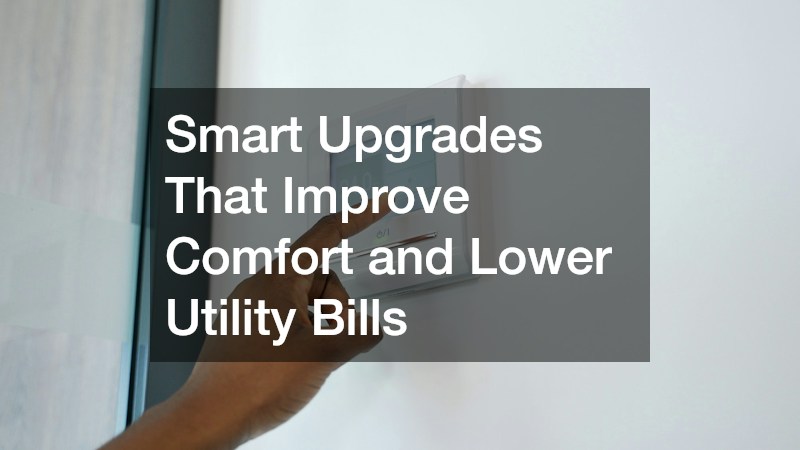
Install a Programmable or Smart Thermostat
A programmable thermostat allows homeowners to establish heating and cooling schedules based on their daily routines. Instead of maintaining the same temperature throughout the day, residents can reduce heating or cooling when everyone is away and restore comfortable settings before returning home.
Smart thermostats offer additional features, including remote access, energy-use reports, and automatic adjustments based on occupancy or learned preferences. These capabilities make it easier to manage indoor temperatures without constantly changing settings manually.
For better results, homeowners should:
- Set heating and cooling schedules around regular work, school, and sleeping hours.
- Avoid unnecessarily extreme temperature settings when leaving the house.
- Use energy reports to identify patterns that contribute to high utility bills.
- Check thermostat placement to ensure it is not affected by direct sunlight, drafts, or heat-producing appliances.
Homeowners should also remember that thermostat settings cannot compensate for every efficiency problem. If certain rooms remain uncomfortable or the system runs constantly, an underlying equipment or insulation issue may need attention.
Address Heating and Cooling Problems Early
Regular maintenance helps heating and cooling equipment operate efficiently. Dirty filters, blocked vents, and neglected components can restrict airflow and force systems to work harder than necessary.
Scheduling professional HVAC services can help identify developing problems before they result in expensive breakdowns. Technicians can inspect important components, evaluate system performance, and recommend maintenance based on the equipment’s condition.
Choose Efficient Heating and Cooling Equipment
Repair Existing Equipment When It Makes Financial Sense
Replacing an entire heating or cooling system is not always necessary when performance declines. Some problems, such as faulty electrical components, clogged drainage lines, or worn mechanical parts, can be corrected through targeted repairs.
Homeowners should watch for warning signs that indicate equipment may need attention, including:
- Unusual noises or persistent odors during operation.
- Weak airflow from supply vents.
- Uneven temperatures between rooms.
- Frequent cycling or unusually long operating periods.
- Utility bills that increase without an obvious explanation.
For homes with heat pumps, timely heat pump repairs can address performance problems that affect heating and cooling capabilities. Because these systems transfer heat rather than generate it through conventional combustion, their performance depends on properly functioning components and suitable operating conditions.
Similarly, an AC repair service can investigate cooling problems such as refrigerant leaks, drainage issues, or malfunctioning electrical parts. Prompt attention may restore performance and prevent additional damage.
Replace Outdated Systems With High-Efficiency Models
Older heating and cooling systems may consume more energy than newer models, particularly when they have deteriorated or lack modern efficiency features. Replacing outdated equipment can improve temperature consistency and reduce operating costs, depending on the home’s conditions and the new system’s efficiency.
For example, air conditioning replacements may make financial sense when an existing unit struggles to cool the home, requires frequent expensive repairs, or has become unreliable. However, homeowners should evaluate more than the equipment’s purchase price.
Important factors include:
- Efficiency ratings: Compare available ratings and estimated annual operating costs.
- Proper sizing: Ensure the system matches the home’s heating or cooling requirements.
- Installation quality: Confirm that the contractor follows manufacturer specifications and applicable codes.
- Maintenance needs: Consider filter requirements, service intervals, and expected upkeep.
- Available incentives: Check whether local utilities or government programs offer qualifying rebates.
An oversized system may cycle too frequently, while an undersized unit may struggle to maintain comfortable temperatures. A professional assessment can help determine the appropriate equipment size and identify other improvements that could increase overall efficiency.
Reduce Heating Loss and Improve Indoor Comfort
Seal Drafts and Strengthen Insulation
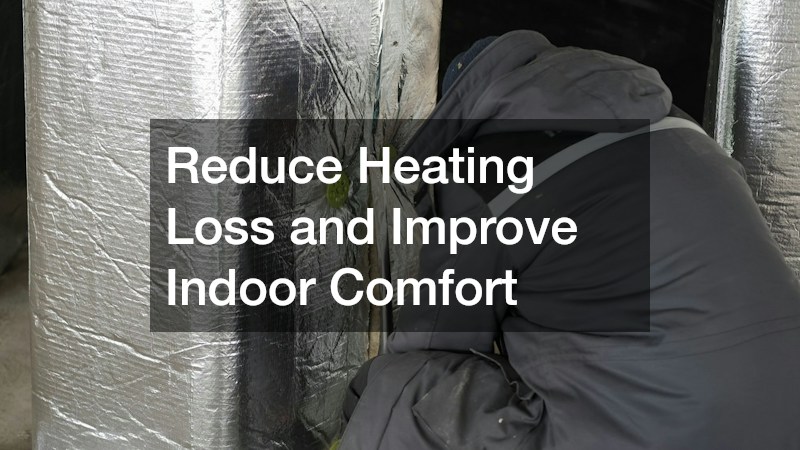
Air leaks around windows, exterior doors, attic openings, and utility penetrations allow conditioned air to escape. During winter, warm indoor air can leak outside, while hot outdoor air can enter during summer. These problems increase the workload on heating and cooling equipment.
Sealing gaps and improving insulation can help maintain more stable indoor temperatures. Homeowners can begin with straightforward improvements, such as adding weatherstripping to drafty doors, applying suitable caulk around stationary window frames, and sealing small gaps around permitted utility penetrations.
Attics deserve particular attention because insufficient insulation and air leakage near the ceiling can contribute to significant heat transfer. Depending on the home’s construction, adding insulation or sealing attic air leaks may improve comfort throughout the building.
Before starting, homeowners should consider:
- Checking doors and windows for noticeable drafts.
- Inspecting attic insulation for gaps, compression, or uneven coverage.
- Sealing appropriate openings without blocking required ventilation.
- Choosing insulation materials suitable for the location and application.
For larger projects, a qualified contractor can evaluate insulation levels and identify air leakage that may not be obvious during a visual inspection. Properly addressing these issues can help reduce energy waste while making individual rooms more comfortable.
Keep Heating Equipment Clean and Well Maintained
Heating systems need routine attention to operate safely and efficiently. Dirty filters, blocked airflow, and neglected components can reduce performance, contribute to uneven temperatures, and increase operating costs.
If a furnace produces insufficient heat, cycles irregularly, or makes unusual sounds, a professional furnace repair assessment may identify the underlying cause. Some problems involve worn components, ignition systems, or blower operation and should not be handled without appropriate training.
Homeowners can help maintain reliable performance by replacing filters as recommended, keeping return vents clear, and scheduling periodic inspections. They should also keep combustible materials away from heating equipment and follow the manufacturer’s instructions.
Upgrade Water Heating to Reduce Household Expenses
Choose a Water Heater That Matches Household Needs
Water heating can account for a substantial share of household energy consumption. An aging or inefficient unit may increase operating expenses, especially when it struggles to supply enough hot water or requires frequent repairs.
When considering water heater replacement services, homeowners should compare available technologies and select equipment that fits their household’s demand. Conventional storage-tank models keep a supply of hot water ready for use, while tankless systems heat water as needed. Heat pump water heaters use electricity to move heat from the surrounding air into the water and can offer substantial efficiency advantages in suitable installations.
The right option depends on several considerations:
- Household demand: Estimate the amount of hot water residents use during peak periods.
- Energy source: Compare available electricity, gas, or other fuel options.
- Installation requirements: Account for ventilation, electrical capacity, space, and plumbing modifications.
- Operating costs: Evaluate expected energy consumption rather than focusing exclusively on the purchase price.
- Maintenance: Review the manufacturer’s recommended service schedule.
A qualified installer can assess the home’s requirements and explain which options offer the most practical balance of comfort, cost, and efficiency.
Improve Efficiency Without Replacing the Entire Unit
Homeowners do not always need new equipment to reduce water-heating expenses. Depending on the existing system, simple improvements and routine maintenance may help limit energy waste.
Insulating compatible hot-water pipes can reduce heat loss as water travels through the plumbing system. Lowering an excessively high water temperature to an appropriate setting can also reduce standby losses and the risk of scalding. Many households set the temperature near 120°F, although the appropriate temperature depends on equipment instructions, household needs, and applicable health or safety requirements.
Regular water heater services can help identify sediment accumulation, leaks, deteriorating connections, and other problems that affect performance. Maintenance requirements vary by model, so homeowners should follow the manufacturer’s instructions and use a qualified professional for tasks involving electrical connections, gas components, or pressurized equipment.
Other useful measures include repairing dripping hot-water faucets, installing efficient showerheads, and using cold water for laundry when appropriate. Together, these changes can reduce unnecessary water and energy consumption without making daily routines less comfortable.
Use Zoned Cooling to Improve Comfort in Different Rooms
Control Temperatures in Frequently Used Spaces
Some homes have rooms that consistently feel warmer or cooler than the rest of the building. Finished basements, additions, converted garages, and upper-floor bedrooms may have different heating and cooling requirements because of their insulation, window placement, or exposure to sunlight.
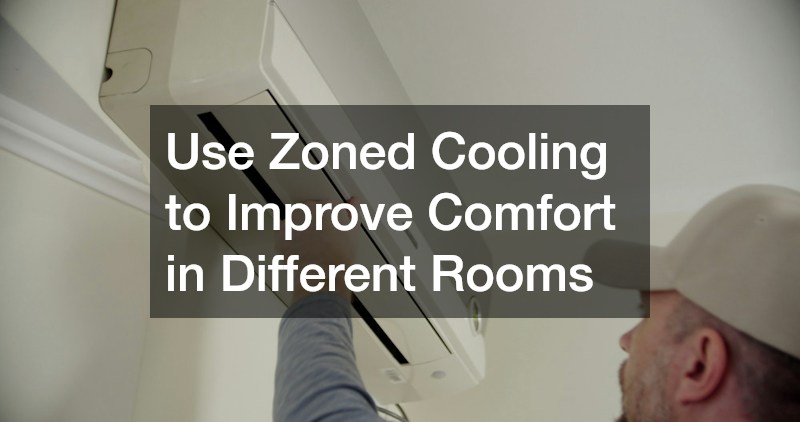
A zoning system can help homeowners manage temperatures in different areas based on how those spaces are used. In homes without suitable ductwork, ductless mini splits may provide an effective option for heating and cooling individual rooms or designated zones.
Before installing a system, homeowners should evaluate room size, insulation quality, electrical requirements, equipment placement, and expected usage. Professional sizing is important because equipment that is too large or too small may operate inefficiently or fail to maintain comfortable conditions.
Zoned temperature control can also reduce the need to condition unoccupied areas. However, savings depend on the home’s layout, the system’s efficiency, and how occupants use the controls. In some homes, improving insulation or balancing existing airflow may resolve comfort problems at a lower cost than installing new equipment.
Prevent Energy Waste From Poor Airflow
Restricted airflow can make a home uncomfortable even when the heating or cooling system is operating correctly. Furniture, rugs, curtains, and accumulated dust may block vents and prevent conditioned air from circulating properly.
Homeowners should keep supply registers and return grilles unobstructed and inspect accessible vents periodically. They should also avoid closing multiple supply vents to force more air into other rooms, as this can disrupt system airflow and reduce performance.
If temperature differences persist, a professional can assess ductwork, airflow balance, insulation, and equipment capacity. Identifying the actual cause is more effective than continually adjusting the thermostat, which may increase energy consumption without correcting the problem.
Fix Water Waste Before It Becomes Expensive
Repair Leaks and Replace Inefficient Fixtures
Water waste can increase utility bills while creating conditions that lead to property damage. A dripping faucet may seem insignificant, but persistent leaks add up over time. Running toilets, leaking supply lines, and damaged pipe connections can waste considerably more water.
Homeowners should periodically inspect faucets, toilets, visible pipes, and the areas beneath sinks. Damp cabinets, unexplained puddles, musty odors, and changes in water pressure may indicate a problem that needs investigation.
Prompt plumbing repairs can address leaking connections, damaged pipes, faulty fixtures, and other issues before they cause more extensive damage. Homeowners can also reduce water consumption by installing efficient showerheads, faucet aerators, and water-saving toilets when existing fixtures are outdated.
When selecting replacements, compare water-use ratings, installation requirements, and expected durability. Efficient fixtures should provide adequate flow for everyday tasks without requiring residents to significantly change their routines.
Schedule Preventive Plumbing Inspections
Some plumbing problems develop gradually and remain hidden until noticeable damage occurs. Small leaks inside walls, slow drainage, corrosion, and deteriorating connections may be difficult to identify without a closer inspection.
A professional plumbing service can evaluate the condition of accessible pipes, fixtures, drainage systems, and other plumbing components. Regular inspections are particularly useful for older homes, properties with recurring leaks, and households preparing for renovations.
Homeowners can also establish a few simple habits to reduce the likelihood of avoidable problems:
- Check under sinks and around appliances for moisture.
- Address slow drains instead of repeatedly relying on chemical cleaners.
- Avoid flushing unsuitable materials or disposing of grease in household drains.
- Know where the main water shutoff valve is located.
- Investigate unexplained increases in water use.
Preventive maintenance cannot eliminate every plumbing emergency, but it can help identify developing issues and reduce the likelihood of expensive water damage.
Prioritize Upgrades Based on Savings and Long-Term Value
Create a Practical Home Improvement Plan
Smart upgrades are most effective when homeowners prioritize improvements according to urgency, cost, and potential benefits. Rather than replacing every system at once, begin by documenting recurring comfort problems, equipment ages, repair histories, and recent utility bills.
Address safety hazards, active leaks, and significant equipment problems first. Next, consider improvements that may deliver meaningful efficiency gains, such as sealing air leaks, improving insulation, replacing inefficient fixtures, or upgrading outdated equipment.
When comparing projects, evaluate the initial investment alongside estimated operating costs, maintenance requirements, and expected service life. Ask contractors for written estimates and clarify which materials, labor, and additional modifications are included.
Homeowners can also track monthly utility bills before and after completing upgrades, while accounting for changes in weather and household occupancy. This information helps reveal which improvements are producing useful results and where additional adjustments may be worthwhile.
Improving home comfort while lowering utility bills starts with identifying inefficiencies and choosing upgrades that address actual household needs. Better temperature control, efficient equipment, stronger insulation, and reduced water waste can deliver lasting benefits. With thoughtful planning and timely maintenance, homeowners can improve everyday comfort while managing long-term expenses.
