Signs Your HVAC Needs Service Sooner Than Scheduled
Key takeaways
- Keep your two tune-ups a year, but call for service whenever problems show up in between, because small issues get costlier the longer you wait.
- New sounds like squealing, grinding, banging, or hissing mean a part may be worn, loose, or leaking.
- Weak airflow or rooms that differ by more than 3 or 4 degrees can point to clogged filters, duct leaks, or blower trouble.
- An energy bill 10 to 20 percent higher than the same month last year, with no other clear cause, often means your system is losing efficiency.
- A system that turns on and off every few minutes, or never shuts off, needs a technician’s attention soon.
- Musty or burning smells, water around the indoor unit, or ice on the coils call for prompt service. A rotten-egg smell means leave the house right away and call for help from outside.
- Before calling, check the filter, breaker, outdoor unit, and thermostat batteries, and note your symptoms to speed up the visit.
Most homeowners know they should have their heating and cooling system checked once or twice a year. Those scheduled tune-ups are a smart habit. But your HVAC system doesn’t always follow a calendar. Sometimes it starts sending warning signs months before your next appointment.
Catching those signs early can mean the difference between a quick, low-cost fix and a full system breakdown on the hottest or coldest day of the year. Small problems like a dirty part or a loose belt can grow into big repairs if you wait too long. They can also raise your energy bills and make your home less comfortable.
In this guide, you’ll learn the most common signs that your HVAC needs service sooner than planned. You’ll also find simple checks you can do yourself and tips to help you get the most out of a service call.
1. Why Waiting Can Cost You More
Most HVAC pros recommend two tune-ups a year: one for your air conditioner in spring and one for your furnace or heat pump in fall. During these visits, a technician cleans key parts, checks refrigerant levels, tests electrical connections, and looks for wear. This kind of home cooling system preventive care helps your equipment run efficiently and last longer.
The problem is that parts can wear out between visits. A capacitor can weaken, a drain line can clog, or a fan motor can start to struggle. If you ignore these early signs, the stress spreads to other parts of the system. A $150 repair today can turn into a $1,500 repair, or even a full replacement, a few months later.
Calling for service early also gives you more control. You can book a time that works for you instead of waiting days for an emergency visit during a heat wave, when HVAC companies are at their busiest.
- Schedule two tune-ups a year, but don’t ignore problems in between.
- Small issues put extra stress on other parts and get more expensive over time.
- Early calls are easier to schedule than emergency visits in peak season.
2. Strange or Loud Noises
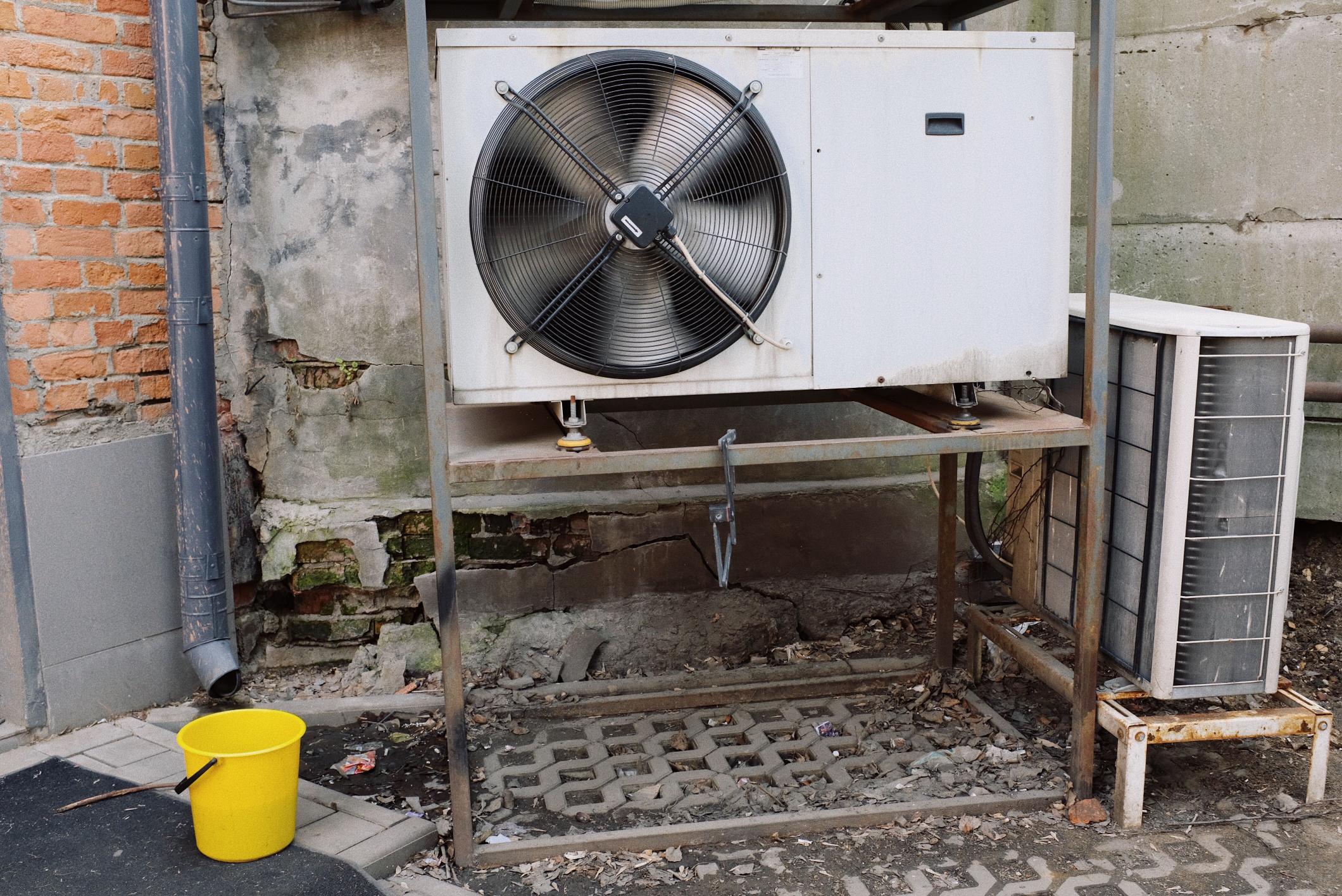
A healthy HVAC system makes a steady, gentle hum. When you start hearing new sounds, your system is telling you something has changed. Pay attention to the type of noise, since each one can point to a different problem.
A squealing or screeching sound often means a worn fan belt or a motor that needs oil. Grinding can point to failing motor bearings. Banging or clanking usually means a loose or broken part inside the blower or outdoor unit. A loud clicking when the system starts or stops may signal an electrical problem with a relay or capacitor. Hissing could mean a refrigerant or duct leak.
Don’t just turn up the TV and hope the noise goes away. Moving parts that are loose or damaged can quickly damage other components. If a noise lasts more than a day or keeps getting louder, it’s time to call a technician.
- New noises like squealing, grinding, or banging signal a problem.
- Clicking and hissing may point to electrical or refrigerant issues.
- Call for service if a noise lasts more than a day or gets worse.
3. Weak Airflow or Uneven Temperatures
Hold your hand up to a vent while the system is running. If the air feels weak, or if some rooms are much warmer or cooler than others, something may be blocking the flow. A difference of more than 3 or 4 degrees between rooms is a common sign that your system isn’t working as it should.
There are many factors affecting home climate control, so start with the simple ones. A clogged air filter is the most common cause of weak airflow. Closed or blocked vents, furniture over registers, and poor insulation in certain rooms can also play a role. But if those all check out, the problem may be inside the system.
Leaky or crushed ducts, a failing blower motor, or a frozen evaporator coil can all reduce airflow. A technician can test static pressure, inspect ductwork, and find exactly where air is being lost. Fixing duct leaks alone can make a big difference in comfort and cost.
- Weak air at vents or big temperature swings between rooms are warning signs.
- Check filters, vents, and furniture placement first.
- Duct leaks or blower problems need a professional inspection.
4. Energy Bills That Keep Climbing
Your energy bill is one of the best clues to how well your HVAC system is working. Heating and cooling make up the largest share of energy use in most American homes. So when your system loses efficiency, you’ll often see it on your bill before you notice anything else.
Compare your current bill with the same month last year. If your usage is up by 10 to 20 percent and your habits, weather, and utility rates haven’t changed much, your system is probably working harder than it should. Common causes include dirty coils, low refrigerant, worn parts, and leaky ducts.
Age also plays a part. Systems older than 10 to 15 years tend to lose efficiency over time. A technician can tell you whether a repair will bring your costs back down, or whether an upgrade would save more money in the long run.
- Compare your bill with the same month last year.
- A jump of 10 to 20 percent with no clear reason can signal a problem.
- Older systems lose efficiency, so ask whether repair or replacement makes more sense.
5. Short Cycling or Running Nonstop
A normal heating or cooling cycle usually lasts about 10 to 20 minutes, a few times an hour. If your system turns on and off every few minutes, it’s “short cycling.” This wears out parts fast, wastes energy, and leaves your home less comfortable.
Short cycling can be caused by a dirty filter, an overheating furnace, low refrigerant, a faulty thermostat, or a system that’s too large for your home. An oversized unit cools the air quickly but shuts off before it can remove humidity, which can leave rooms feeling cold and clammy.
The opposite problem is just as serious. If your system runs almost all the time and still can’t reach the temperature you set, it may be low on refrigerant, have a failing compressor, or be too small for the space. Either way, a technician should take a look soon.
- Normal cycles run about 10 to 20 minutes at a time.
- Turning on and off every few minutes wears parts out quickly.
- A system that never shuts off may have refrigerant or sizing problems.
6. Unusual Smells From Your Vents
A faint dusty smell the first time you turn on the heat each fall is normal. It’s just dust burning off the heat exchanger and should fade within an hour. Other smells, though, should never be ignored.
A musty or moldy odor often means moisture is building up in your ducts, drain pan, or evaporator coil. This can affect your indoor air quality and trigger allergies. A burning or electrical smell may mean a motor is overheating or wires are damaged. Turn the system off at the thermostat and call a technician right away.
If you smell rotten eggs, you may have a natural gas leak. Leave your home immediately, don’t flip any switches, and call your gas company or 911 from outside. It’s also smart to have working carbon monoxide detectors on every level of your home, since CO from a cracked furnace has no smell at all.
- A short dusty smell when you first turn on the heat is normal.
- Musty or burning smells mean you should schedule service soon.
- A rotten-egg smell means leave the house and call for help right away.
7. Leaks, Ice, and Humidity Problems
Your air conditioner removes moisture from the air, and that water drains away through a small pipe called a condensate line. If you see water pooling around your indoor unit, the line may be clogged or the drain pan may be cracked. Left alone, this water can damage floors, walls, and ceilings and lead to mold.
Ice on your refrigerant lines or indoor coil is another red flag, even in summer. It usually means airflow is blocked or refrigerant is low. Turn the AC off and let the ice melt, then check your filter. If the ice comes back, call a technician. Running a frozen system can damage the compressor, which is one of the most expensive parts to replace.
Also watch your indoor humidity. Most homes feel best between 30 and 50 percent. A cheap hygrometer can measure it. If your home feels sticky in summer or very dry in winter, your system may need adjustment or repair.
- Water around the indoor unit often means a clogged drain line.
- Ice on coils or lines points to airflow or refrigerant problems.
- Keep indoor humidity between about 30 and 50 percent.
8. Thermostat and Control Problems
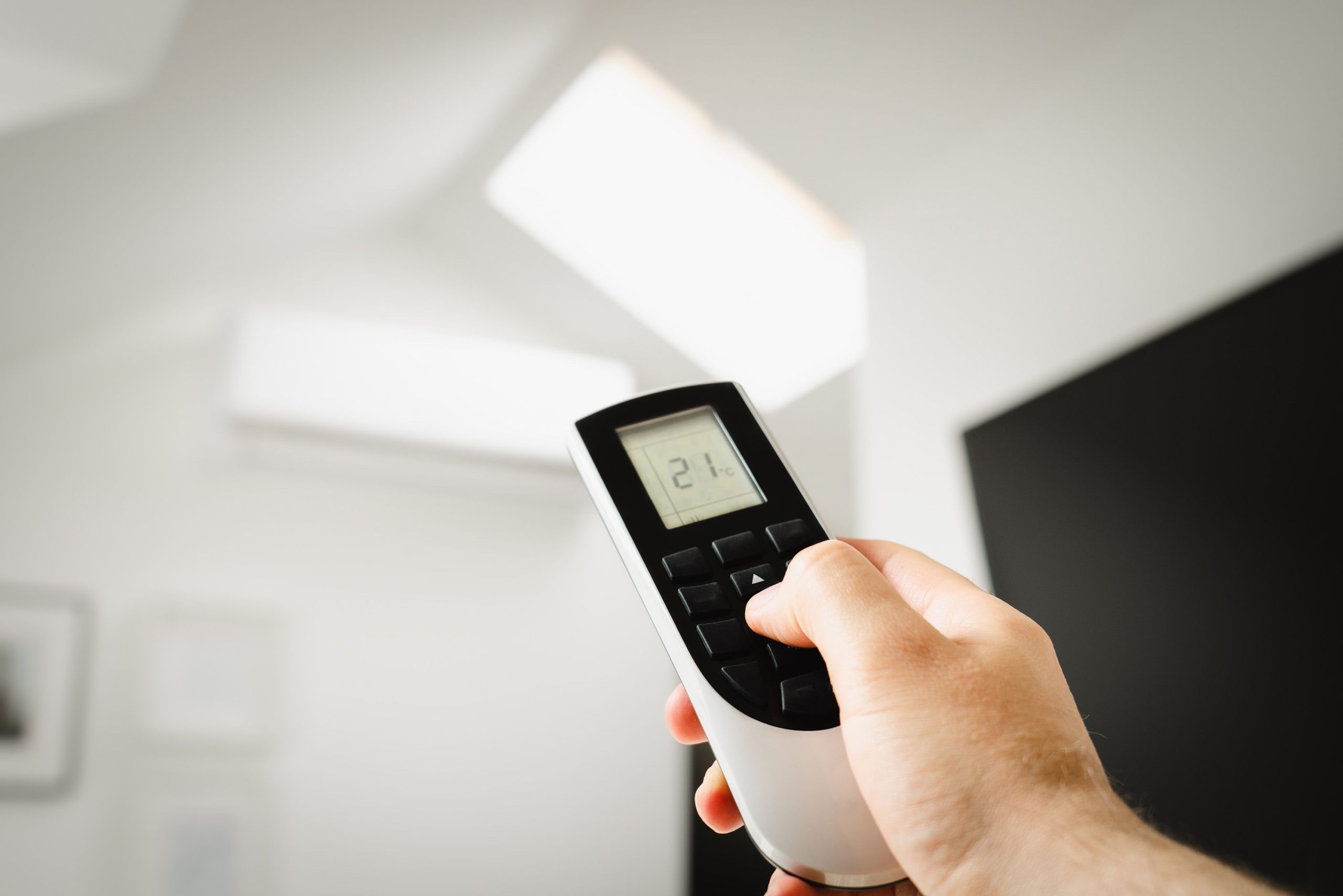
Your thermostat is the brain of your HVAC system. If it isn’t working right, the rest of the system can’t either. Signs of trouble include a blank screen, settings that change on their own, or a system that doesn’t respond when you adjust the temperature.
Sometimes the fix is simple. Replace the batteries, make sure the thermostat is set to the right mode (heat, cool, or auto), and check that it isn’t sitting in direct sunlight or near a lamp. Heat from these sources can trick it into thinking your home is warmer than it really is.
If those steps don’t help, the problem may be loose wiring, a failing sensor, or a control board issue inside the furnace or air handler. A technician can test the connections and tell you whether the thermostat or the system itself is at fault. If your thermostat is more than 10 years old, an upgrade to a smart or programmable model may also lower your energy costs.
- A blank screen or no response to changes is a sign of trouble.
- Try new batteries and check the mode and location first.
- Wiring or control board problems need a professional.
9. Quick Checks Before You Call a Pro
Before you book a service visit, a few simple checks can save you time and money. Start with the air filter. Most 1-inch filters should be changed every 1 to 3 months, and more often if you have pets or allergies. Next, check your circuit breaker panel to make sure the HVAC breaker hasn’t tripped.
Walk outside to your condenser unit. Clear away leaves, grass clippings, and other debris, and keep at least 2 feet of open space around it. Inside, make sure supply vents and return grilles are open and not blocked by rugs or furniture. Never open sealed panels, handle refrigerant, or work on gas or electrical parts yourself.
If the problem continues, write down what you’ve noticed before the technician arrives. Note any sounds, smells, when the issue started, and what you’ve already tried. Have your system’s model number and age ready. This helps the technician find the cause faster, which can lower your bill.
- Check the filter, breaker, and outdoor unit before calling.
- Never handle refrigerant, gas lines, or electrical parts yourself.
- Write down symptoms and your system details to speed up the visit.
Conclusion
Scheduled tune-ups are the foundation of good HVAC care, but they can’t catch everything. Your system will often warn you when something is wrong through new noises, weak airflow, rising bills, odd smells, leaks, or strange cycling. Listening to those warnings is one of the easiest ways to avoid expensive repairs.
Start with the simple checks you can do yourself, like changing the filter and clearing the outdoor unit. If the problem doesn’t go away, don’t wait for your next scheduled visit. A quick call now can keep a small issue from turning into a breakdown.
Treat your HVAC system like any other important part of your home. Pay attention to how it sounds, smells, and performs, and act early when something changes. Your comfort, your wallet, and your equipment will all be better for it.
