
Practical Home Maintenance and Renovation Strategies for Lasting Property Value
Owning a house brings plenty of pride, yet keeping every system running smoothly requires steady attention. Small issues rarely stay small for long. A tiny drip beneath a sink or a loose shingle after a windstorm can quietly turn into an expensive repair bill if ignored for months. Smart property owners treat their homes like interconnected systems rather than a collection of separate parts. When one component wears down, nearby materials often take on extra stress and age faster than expected.
Planning ahead makes all the difference between calm, predictable upkeep and stressful emergency calls. Families who walk their properties each season catch early warning signs before water, wind, or wear can cause structural trouble. Experienced home renovation contractors often remind their clients that dry roofs, sound foundations, and reliable mechanical systems always come before cosmetic finishes. Fresh interior paint looks great, of course, yet it cannot hide a damp crawlspace, sagging floor joists, or outdated electrical wiring.
Budgeting for larger upgrades works best when owners map out priorities across several years. Tackling high-impact projects in a logical order prevents crews from tearing out newly finished work later on. Booking professional remodeling services in well-planned phases allows households to improve daily comfort, trim monthly utility bills, and build long-term equity without stretching finances too thin.
Updating High-Traffic Interior Spaces
Few rooms work harder than the main cooking and gathering space of a home. Cabinets open and close dozens of times a day, steam rises from busy stovetops, and heavy foot traffic tests flooring durability year after year. Because kitchens anchor daily routines, thoughtful upgrades here consistently deliver strong everyday satisfaction alongside solid resale appeal. Even modest layout tweaks can transform how a family cooks, cleans up, and shares meals together.
Working with a skilled kitchen remodeler helps homeowners rethink awkward layouts, add practical task lighting, and choose countertop surfaces that resist heat and scratches. Good design goes far beyond picking attractive cabinet doors or trendy hardware. Proper clearance around islands, deep drawers for heavy pots, and quiet range hoods vented directly outdoors make meal preparation smoother while keeping indoor air cleaner.
Behind those finished walls and cabinets sits an intricate network of supply lines, drain stacks, and shutoff valves. Hidden leaks cause silent damage. Before new cabinetry or tile flooring goes into place, a licensed plumber should inspect aging pipes and replace corroded fittings. Fixing a worn shutoff valve or upgrading narrow supply lines during construction costs a fraction of what it takes to tear into finished stonework later.
Defending the Roofline and Drainage Systems

While interior rooms get the most daily attention, the upper exterior shell shields the entire structure from rain, snow, hail, and harsh summer sun. Shingles gradually lose their protective mineral granules over time, and rubber boots around vent pipes can crack under ultraviolet exposure. Regular visual checks from the ground with binoculars help owners spot curled edges, lifted flashing, or missing tabs early before water reaches attic insulation.
Seasoned roofers look well beyond surface shingles during a thorough inspection. They examine metal step flashing along brick chimneys, check valley channels where water concentrates, and verify that attic intake and exhaust vents allow trapped heat and moisture to escape. Balanced attic airflow prevents winter ice dams from forming along the eaves and keeps summer cooling loads manageable during July heatwaves.
All that rainwater shedding off the roof needs a clear, controlled exit path away from the house. Clogged or sagging troughs let water spill directly over the edge, soaking fascia boards and pooling beside the foundation wall. Hiring a reputable seamless gutter company eliminates the leaky seams found in sectional store-bought troughs, giving properties custom-fitted channels that carry heavy downpours safely toward downspouts.
Strengthening Exterior Walls and Surrounding Grounds
Once water leaves the roof edge, exterior cladding takes over the job of keeping wind-driven rain out of wall cavities. Different wall materials age in distinct ways, and understanding how each surface behaves helps owners stay ahead of rot and peeling paint. Wood-based composite panels, for example, offer crisp architectural lines and classic curb appeal when properly sealed against moisture on every edge and joint.
Houses clad in older hardboard siding need consistent caulking around window frames and regular coats of high-grade exterior paint. Bottom edges deserve special attention because rain splashing off concrete patios or bare soil can wick upward into unprotected wood fibers. Catching minor swelling or flaking paint early keeps moisture from reaching the underlying sheathing, insulation batts, and wall studs.
What happens on the ground right next to the house matters just as much as the siding itself. Soil naturally settles around foundation walls over the years, sometimes creating subtle depressions that trap rainwater right against basement masonry. Thoughtful landscaping keeps mulch beds several inches below lower siding courses, trims overhanging shrubs for airflow, and grades surrounding soil away from the structure so runoff flows toward the street.
Balancing Indoor Climate and Hot Water Efficiency

Inside the utility room or basement, mechanical equipment works quietly around the clock to keep living spaces comfortable through every season. Dust buildup, worn electrical contacts, and restricted airflow slowly rob heating and cooling gear of efficiency long before a total breakdown happens. Simple preventive care keeps monthly energy costs predictable and avoids sudden mid-season failures during extreme weather.
Routine spring and autumn tune-ups keep an HVAC system running smoothly, catching clogged condensate drain lines, weak capacitors, and dirty coils before peak temperatures arrive. Technicians also check refrigerant levels, test safety controls, and inspect ductwork connections for air leaks. Sealing loose duct joints in an unconditioned attic or crawlspace often eliminates uneven hot and cold spots in upstairs bedrooms while lowering monthly electric bills.
Modern households also depend on consistent hot water for showers, laundry, and dishwashing without wasting standby energy. On-demand units heat water only when a tap opens, yet mineral scale from hard water can gradually coat internal copper passages. Scheduling prompt tankless water heater repair restores steady water temperatures whenever mineral buildup or faulty flow sensors trigger sudden cold bursts.
Sequencing Multi-Room Projects Without Surprises
Larger home improvements rarely stay confined to a single corner of a blueprint. Opening up a load-bearing wall, moving a laundry closet, or updating old electrical panels often touches adjacent hallways, floors, and ceilings. Careful sequencing keeps dust, noise, and costs under control while ensuring every trade works in the right order. Shortcuts early in a build almost always create delays later.
Veteran home renovation contractors build realistic project timelines that place messy structural framing, rough wiring, and building inspections well ahead of drywall and trim work. They also order long-lead items like custom windows and specialty fixtures early so crews are never stuck waiting on deliveries. Clear communication between carpenters, electricians, and local building inspectors prevents costly rework and keeps daily life livable during construction.
Taking time to plan adjoining rooms together also saves money on materials and labor. When an established kitchen remodeler coordinates flooring transitions, lighting circuits, and doorway openings early in the design phase, neighboring dining and living areas blend naturally with the updated space. Matching wood stain tones or running continuous plank flooring across thresholds makes modest floor plans feel noticeably larger and brighter. Thoughtful transitions turn isolated room updates into a cohesive home design.
Protecting Hidden Pipes and Water Heating Equipment

Water damage remains one of the most common and expensive headaches property owners face, yet most serious leaks give off subtle clues before bursting. Faint water stains on basement ceilings, sluggish drains, or sudden drops in shower pressure all point to plumbing components asking for attention. Addressing minor irregularities early protects drywall, subfloors, and personal belongings from costly ruin.
An experienced plumber can test static water pressure entering the house, install pressure-reducing valves where municipal lines run too high, and replace stiff gate valves with reliable quarter-turn ball valves. Before winter freezes arrive, disconnecting garden hoses and insulating exposed pipes in unheated garages or exterior walls prevents split copper lines during overnight cold snaps. Cheap valves fail early, so upgrading key shutoffs brings real peace of mind.
High-efficiency water heaters also benefit from annual flushing to clear out calcium and magnesium deposits that settle inside narrow heat exchangers. Ignoring error codes on a digital display panel or letting ignition delays linger puts extra strain on internal components. Calling for professional tankless water heater repair at the first sign of fluctuating water warmth keeps small sensor issues from escalating into major part replacements.
Evaluating Siding Repairs Versus Full Exterior Replacement
Every exterior material eventually reaches a point where patchwork fixes cost more time and money than a fresh start. Deciding between targeted repairs and full exterior replacement requires an honest look at underlying sheathing condition, energy efficiency goals, and how long a family plans to stay in the house. Peeling paint alone rarely tells the whole story behind an aging wall.
Inspectors examining aging hardboard siding look closely for soft spots near roof-to-wall intersections, window sills, and garage door trim. If damage stays limited to a few isolated boards on a sunny wall, splicing in matching panels, sealing cut edges, and repainting can buy several more years of service. Widespread moisture absorption across multiple elevations, however, usually signals that full recladding with modern weather-resistant barriers is the wiser long-term investment.
Coordinating wall updates with roof edge improvements ensures every flashing detail overlaps properly so water never sneaks behind new cladding. Experienced roofers often update step flashing, drip edges, and kickout diverters along lower rooflines during exterior renovations, directing runoff cleanly into gutters instead of letting water streak down fresh siding walls. Overlapping exterior trades in this way creates a tight, weatherproof building envelope.
Managing Stormwater From the Rooftop to the Curb
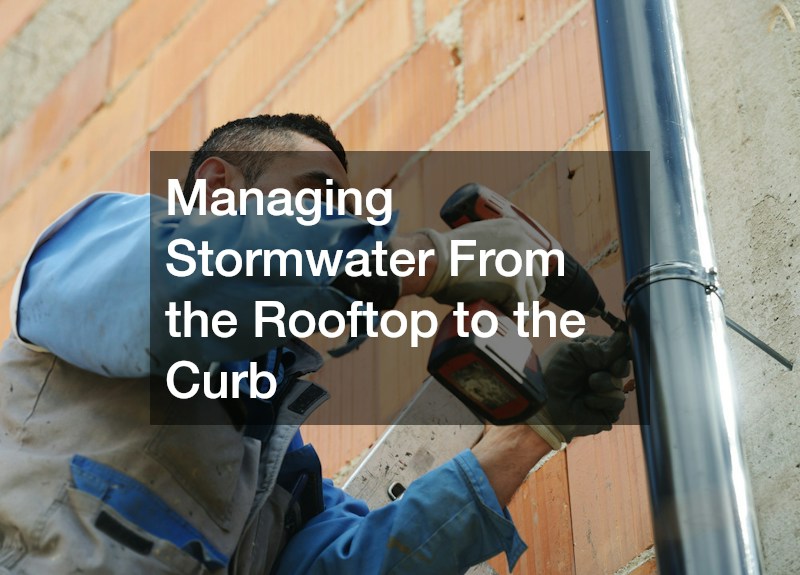
Heavy summer thunderstorms and rapid spring snowmelts test a property’s drainage capacity in a matter of minutes. Even a modest roof collects hundreds of gallons of water during a single inch of rainfall. Without a clear path from the shingles to the street or storm drain, that water quickly finds its way into window wells, crawlspaces, and basement floor joints. Good drainage starts up high.
A custom fabrication truck from a local seamless gutter company forms continuous aluminum runs right in the driveway, matching exact roofline lengths and placing oversized downspouts where water volume peaks. Adding sturdy gutter guards also cuts down on autumn leaf clogs, keeping channels open during freezing rain when ice buildup can pull fasteners loose from the eaves.
Once water exits the bottom of a downspout, extension pipes or buried drain lines should carry it at least five to six feet away from foundation walls. Smart landscaping finishes the drainage chain by incorporating dry creek beds, permeable gravel borders, and deep-rooted native shrubs that soak up excess moisture. Well-graded yards prevent muddy ruts, protect foundation waterproofing, and keep patios dry after heavy storms.
Building a Practical Multi-Year Home Care Calendar
Caring for a residential property feels far less overwhelming when broken down into small, repeatable seasonal habits. Spring is the ideal time to clear winter debris from roof valleys, test sump pumps, and check exterior caulk lines. Swapping out pleated furnace filters every sixty to ninety days and keeping outdoor condenser units clear of weeds and grass clippings extend HVAC equipment life by several years. Clean airflow reduces strain on blower motors and keeps indoor dust levels noticeably lower for everyone in the household.
Autumn brings its own checklist of simple tasks that prevent winter headaches. Clearing fallen leaves from gutters, sealing drafty window frames, testing smoke detectors, and draining outdoor hose bibs protect the structure before freezing weather sets in. Keeping a simple notebook or digital log of service dates, exterior paint colors, and filter sizes also saves valuable time whenever parts need replacement.
Major upgrades become far easier to afford when families set aside a modest annual maintenance reserve and tackle improvements step by step. By pairing steady seasonal upkeep with well-timed remodeling services, property owners enjoy safer, more comfortable living spaces while protecting the value of their biggest financial asset for decades to come.
