7 Furnace Safety Tips Every Homeowner Should Know
Your furnace is an essential part of keeping your home warm and comfortable, especially during the colder months. However, furnaces also involve risks if not maintained or operated correctly. From gas leaks to electrical issues, neglecting furnace safety can put your home and family at risk. HVAC experts recommend a combination of preventive measures, regular furnace maintenance, and safety awareness to protect your home. Here are seven furnace safety tips every homeowner should know.
1. Schedule Annual Professional Inspections
One of the most important steps in furnace safety is scheduling yearly inspections with a licensed HVAC technician. Professionals can thoroughly check all furnace components, including burners, heat exchangers, electrical connections, and exhaust systems. They also ensure your system operates efficiently and safely.
Annual inspections help identify issues like cracked heat exchangers, faulty wiring, or blocked vents that could lead to carbon monoxide leaks or fires. By catching these problems early, you reduce the risk of emergencies and extend the life of your furnace.
2. Install and Maintain Carbon Monoxide Detectors
Carbon monoxide (CO) is an odorless, colorless gas that can be deadly if inhaled. Furnaces that burn gas, oil, or propane can produce CO if not functioning properly. Installing carbon monoxide detectors near sleeping areas and the furnace itself is a critical safety step.
Make sure to test detectors monthly and replace batteries regularly. If a detector sounds an alarm, evacuate your home immediately and contact emergency services. Proper detector placement and furnace maintenance are key to protecting your family from CO exposure.
3. Keep the Furnace Area Clean and Clear
Clutter around your furnace can create fire hazards and interfere with proper airflow. Keep at least a three-foot clearance around the unit and avoid storing flammable materials like cardboard, paint, or cleaning chemicals nearby.
Dust and debris can also accumulate in the area, potentially getting drawn into the furnace and causing damage or reducing efficiency. Regularly cleaning the surrounding space helps maintain safe operation and prevents unnecessary strain on the system.
4. Change Filters Regularly
Dirty or clogged filters restrict airflow and can cause your furnace to overheat, potentially damaging internal components or creating a fire hazard. HVAC experts recommend checking your furnace filter every month and replacing it as needed, especially during peak heating seasons.
High-efficiency filters may require replacement every 2-3 months, while standard filters may need monthly attention. Consistently clean filters not only improve safety but also increase efficiency and extend the lifespan of your furnace.
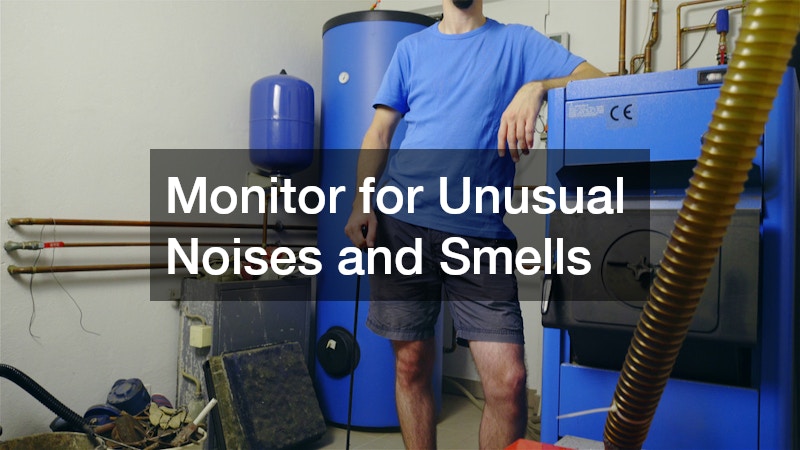
5. Monitor for Unusual Noises and Smells
Pay attention to strange noises, odors, or irregular operation from your furnace. Squealing, banging, or rattling sounds could indicate loose components or mechanical failure. A burning smell may signal overheating, dust buildup, or electrical issues.
Addressing these warning signs promptly by calling a professional can prevent small problems from escalating into dangerous situations. Regularly observing your furnace’s performance is an easy yet effective safety measure.
6. Maintain Proper Ventilation and Ductwork
Proper ventilation is critical to safe furnace operation. Blocked vents or damaged ductwork can lead to heat buildup, inefficient operation, or even carbon monoxide accumulation. Make sure air vents are unobstructed and ducts are sealed and in good condition.
Periodically inspect vents for debris or signs of damage, and hire a professional to clean or repair ducts as needed. Ensuring proper airflow reduces the risk of overheating and keeps your furnace running safely and efficiently.
7. Know When to Call a Professional
While homeowners can perform some routine furnace maintenance like changing filters, many furnace issues require professional attention. If you notice irregular operation, persistent smells, strange noises, or error codes, contact a licensed HVAC technician immediately.
Attempting to repair complex furnace components without proper training can be dangerous and may void warranties. Professionals have the tools, knowledge, and experience to safely diagnose and fix issues, protecting your home and family.
Furnace safety is an essential aspect of homeownership, particularly during colder months when heating systems are in constant use. By scheduling professional inspections, installing carbon monoxide detectors, keeping the area clean, changing filters regularly, monitoring for unusual signs, maintaining proper ventilation, and knowing when to call a professional, you significantly reduce the risk of accidents and ensure your furnace operates efficiently.
