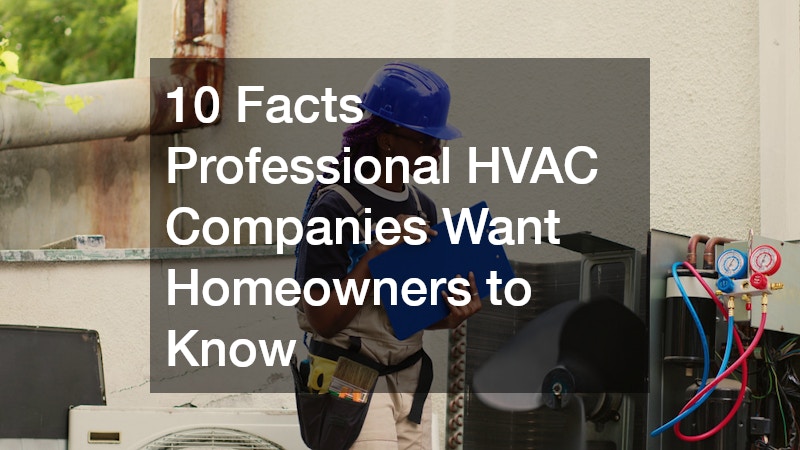
10 Facts Professional HVAC Companies Want Homeowners to Know
Every homeowner depends on a dependable heating and cooling system to keep their home comfortable all year long. Yet, many do not realize how much regular care and professional attention can affect the performance and longevity of that system. Professional HVAC companies aim to educate homeowners on the essential facts about system maintenance, energy efficiency, and the many factors that influence indoor air quality. Understanding these key insights can help you reduce energy costs, prevent breakdowns, and improve the comfort of your living space.
Beyond just adjusting your thermostat, maintaining your heating and cooling system is about building a long-term relationship with your home’s environment. By learning how various components work together, from air filters and ducts to thermostats and refrigerants, you can make informed decisions that protect one of your most important home investments. A reliable HVAC system is not just about comfort; it’s also about safety, sustainability, and cost-efficiency.
Regular Maintenance Extends the Life of Your System
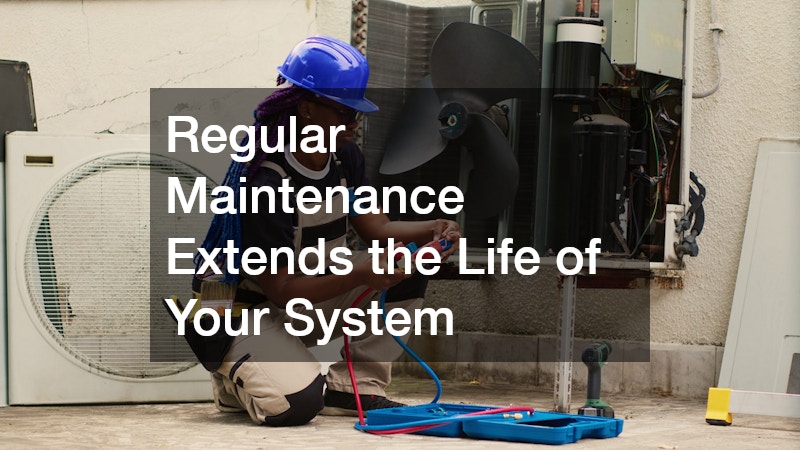
Regular maintenance is one of the simplest yet most critical steps to ensure your home’s heating and cooling systems remain efficient. Without scheduled tune-ups, small issues such as clogged filters, low refrigerant levels, or worn-out components can quickly turn into major system failures. Routine inspections can reveal potential problems before they escalate, ultimately saving both time and money. Proper care not only prevents inconvenient breakdowns but also helps maintain consistent airflow and temperature, improving comfort throughout your home.
Professional technicians who specialize in HVAC services are trained to identify and correct issues that may not be visible to the untrained eye. During a regular check-up, a technician will inspect electrical connections, lubricate moving parts, and clean coils to improve efficiency. They also ensure the unit is running safely, which helps prevent hazards such as carbon monoxide leaks in heating systems. Scheduling maintenance at least twice a year, typically once before summer and again before winter, keeps your HVAC system performing at its best, extending its lifespan and ensuring dependable operation when you need it most.
Air Filters Should Be Changed More Often Than You Think
Air filters play a much larger role in your HVAC system than many homeowners realize. A dirty or clogged filter restricts airflow, forcing your system to work harder to circulate air. Over time, this causes unnecessary strain and reduces overall efficiency, leading to higher energy bills and potential system damage. Clean air filters also contribute to better indoor air quality by capturing dust, pollen, and other airborne particles that can irritate allergies or respiratory issues.
Experts from local ac companies often recommend changing filters every one to three months, depending on factors such as household size, pets, and the level of dust in your environment. Homes with smokers or allergy sufferers may need more frequent replacements to maintain clean air. Choosing the right filter type for your system also matters because high-efficiency filters can trap finer particles, but they must be compatible with your unit’s airflow design. Regularly checking and replacing your filters is a small but powerful step that enhances performance, reduces maintenance costs, and keeps your home healthier.
Energy Efficiency Starts With Proper System Sizing
Energy efficiency is one of the main goals when installing or upgrading an HVAC system, but many homeowners overlook the importance of proper sizing. A system that is too large or too small can create serious performance issues. An oversized unit will cycle on and off frequently, wearing out components more quickly and failing to properly dehumidify your home. A system that is too small, on the other hand, will struggle to reach the desired temperature, running constantly and driving up energy costs. Correct sizing ensures your system works efficiently and comfortably without wasting energy.
Professionals experienced in air conditioning repairs understand that determining the right system size involves more than just calculating square footage. They take into account factors such as insulation quality, window size, ceiling height, and even the home’s orientation toward the sun. These details help identify the correct capacity level for the unit to run at peak efficiency. Having the right system size improves both comfort and energy savings throughout the year. Properly sized units not only reduce energy consumption but also enhance system longevity and maintain stable indoor temperatures during extreme weather.
Thermostat Placement Affects Heating and Cooling Performance
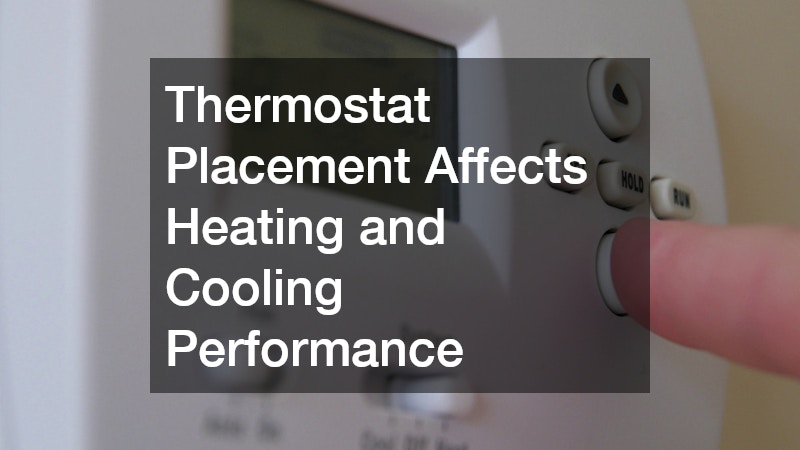
The location of your thermostat plays a major role in how effectively your HVAC system maintains comfort throughout your home. Many people assume that the thermostat’s location has little impact, but an improperly positioned thermostat can result in uneven heating and cooling. If your thermostat is placed near windows, vents, or direct sunlight, it may read incorrect temperatures, causing your system to run too long or shut off too soon. Consistent performance depends on accurate temperature readings, which begin with correct thermostat placement.
Professionals working within residential construction know that thermostats should ideally be installed on an interior wall in a central area of the home where airflow is unobstructed. This placement helps ensure readings reflect the home’s average temperature rather than a hot or cold spot. Smart thermostats can further enhance performance by learning your temperature preferences and adjusting automatically based on patterns, room occupancy, and weather data. Correct thermostat installation and placement, combined with modern technology, improve both comfort and energy efficiency across all seasons.
Seasonal Tune-Ups Can Prevent Costly Repairs
Scheduling biannual tune-ups for your HVAC system is one of the best steps you can take to avoid unexpected repair costs. Just like a car needs routine servicing to operate efficiently, your heating and cooling systems benefit from seasonal checkups to maintain high performance. These tune-ups allow technicians to spot small issues early, such as loose connections or worn parts, before they develop into expensive breakdowns. Preventative care also helps in maintaining consistent airflow, balanced humidity, and efficient operation, which keep utility bills manageable.
Partnering with a local electrician or HVAC technician for seasonal maintenance means your system receives the expert attention it needs. During a tune-up, a technician inspects safety controls, measures system performance, and ensures all electrical components function correctly. They may also clean coils, check refrigerant levels, and confirm thermostat accuracy. These tasks might seem routine but play a huge role in preventing major failures during extreme temperatures. Investing in regular inspections provides homeowners peace of mind, knowing the system will function dependably when it is needed the most.
Ductwork Plays a Major Role in Overall System Efficiency
When considering home comfort, most homeowners focus on the HVAC unit itself, but ductwork is equally important. Your ducts act as the delivery system for heated and cooled air, and if they are dirty, leaky, or poorly connected, energy efficiency drops significantly. Even the most advanced HVAC system cannot perform well if airflow is restricted or escaping through gaps. Leaky ducts also cause dust and allergens to circulate throughout the home, lowering indoor air quality and increasing strain on your system. Well-maintained ductwork supports both efficiency and comfort by ensuring that air is evenly distributed to every room.
Many professionals who provide roof inspection services notice that homeowners often neglect to inspect hidden components like ducts, which are frequently located in attics or crawl spaces. A proper duct inspection can uncover leaks, blockages, or insulation issues that reduce performance. Sealing leaks, insulating ducts, and keeping them clean make a noticeable difference in system efficiency and temperature consistency. Addressing ductwork issues promptly helps lower energy bills and extends the lifespan of your HVAC system while improving the overall air circulation and cleanliness of your home.
Insulation and Sealing Improve HVAC Performance
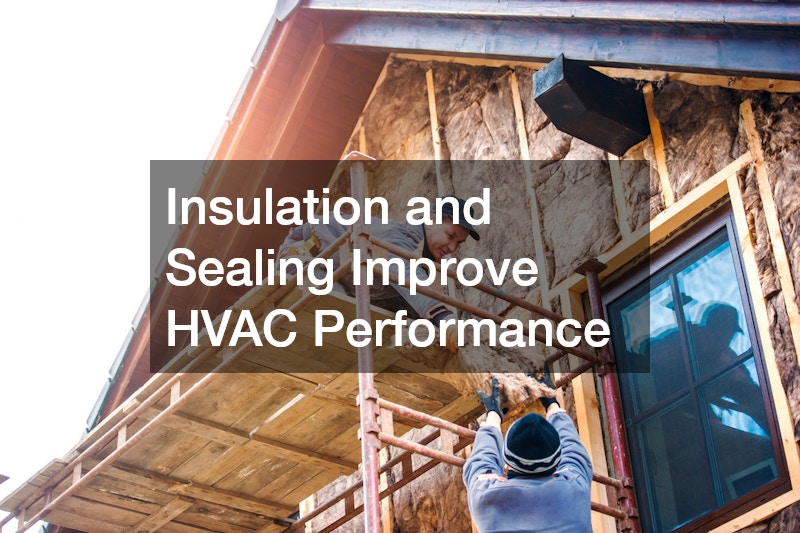
Insulation and sealing are key factors that influence how efficiently your HVAC system performs. Without proper insulation, conditioned air escapes through walls, ceilings, and floors, which forces your system to work harder to maintain the desired temperature. This results in increased energy usage and higher utility bills. Similarly, unsealed doors, windows, and vents can lead to drafts and temperature fluctuations, making it difficult to achieve consistent comfort. A well-insulated and tightly sealed home keeps warm air inside during winter and cool air indoors during summer, allowing your HVAC system to operate at its full potential.
Contractors who specialize in basement remodeling service often emphasize the importance of insulation during any renovation project. Insulating walls, floors, and ductwork in these lower-level spaces prevents energy loss and improves the distribution of heat and cooling throughout the home. It also helps control moisture, which can reduce the risk of mold growth and structural damage. Investing in high-quality insulation materials and sealing cracks or gaps around windows and doors can lead to noticeable savings and a more stable indoor environment.
Indoor Air Quality Depends on More Than Just the Filter
Clean air filters are essential, but they are only one part of maintaining good indoor air quality. Many other factors influence the air you breathe, including humidity levels, ventilation, and the presence of airborne pollutants. If your HVAC system is not regularly cleaned or serviced, dust, mold spores, and other contaminants can accumulate within the system and spread throughout your home. Poor air circulation can trap odors and increase allergy symptoms, making it especially important to view indoor air quality as a whole-home concern.
Some experts who specialize in airstream repair understand that air quality management requires both filtration and adequate ventilation. In homes with sealed energy-efficient designs, fresh air exchange can become limited, trapping pollutants inside. Installing air purifiers, dehumidifiers, or energy recovery ventilators can improve circulation and maintain a healthier balance indoors. Consistent cleaning of ducts, vents, and coils also helps prevent buildup that affects airflow quality.
Upgrading Older Systems Can Save on Energy Bills
An outdated heating and cooling system can be one of the biggest sources of energy waste in a home. Older units often operate less efficiently, using more energy to achieve the same level of comfort as newer systems. They may also lack modern features like variable-speed motors, improved refrigerants, and smart thermostat compatibility that help regulate energy use more precisely. Over time, maintaining an old system can become more expensive than investing in a replacement. Upgrading to a modern, energy-efficient unit not only enhances comfort but can also reduce monthly utility bills while minimizing your home’s environmental footprint.
Professionals often emphasize that homeowners should evaluate their HVAC system’s age and performance before the next major season change. Systems that are more than 10 to 15 years old may benefit from a complete upgrade. Many newer systems use propane as a clean-burning energy source, which can provide consistent heating while lowering emissions. In addition, energy-efficient models frequently qualify for rebates or tax credits, making the initial investment more affordable.
Professional Installation Makes All the Difference
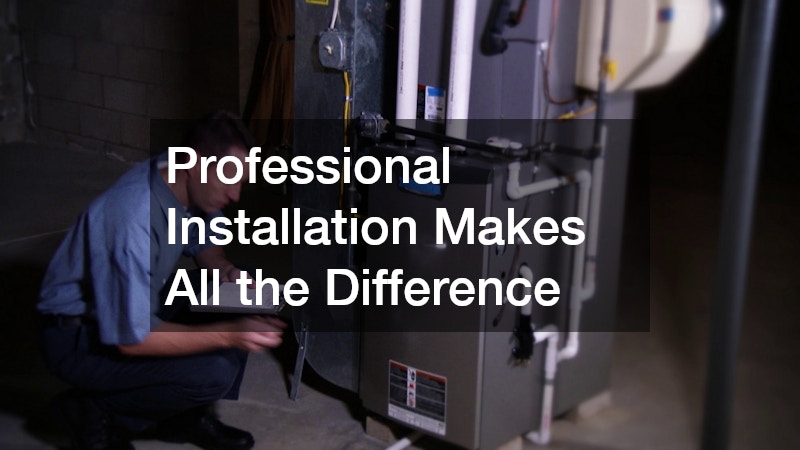
The performance and reliability of an HVAC system depend heavily on correct installation. Even a top-rated, energy-efficient system will underperform if it is not installed properly. Mistakes such as incorrect duct connections, improper refrigerant levels, or poor electrical wiring can lead to inefficiency and frequent breakdowns. A professional installation ensures that every component including ductwork, thermostat, airflow, and electrical supply, is optimized for the specific layout and needs of your home. Skilled technicians follow precise industry standards to guarantee safety and long-term system performance.
Just as garage door repair requires the expertise of a trained professional to ensure safe and accurate function, HVAC installation should never be attempted without certification and experience. A professional technician begins by assessing your home’s size, layout, and efficiency needs before choosing the right system type and capacity. They also verify that the installation meets all building codes and manufacturer guidelines to protect your unit’s warranty.
Understanding how your HVAC system functions, and what it needs to perform at its best, can make an enormous difference in your comfort, safety, and utility costs. From regular maintenance and duct inspection to insulation and professional installation, every detail plays a role in how efficiently your system operates. Modern systems are built with advanced technology designed to optimize performance, but they still depend on consistent care and informed decision-making from homeowners.
Working closely with experienced HVAC professionals helps ensure that your home’s heating and cooling systems remain effective and efficient throughout the year. Whether you are upgrading outdated equipment, improving insulation, or simply scheduling routine tune-ups, each effort contributes to a healthier, more comfortable living environment.
