February 16, 2026
When to Repair, Replace, or Upgrade Your Homes Exterior
When homeowners think about indoor efficiency, they often focus on thermostats, insulation upgrades, or HVAC equipment. While those systems are critical, they are only part of the equation. The true performance of your heating and cooling system depends heavily on the condition of your home’s exterior envelope. Your roof, drainage systems, ventilation, and structural components act as the first line of defense against heat transfer, moisture intrusion, and air leakage.
If exterior systems are compromised, your HVAC equipment works harder, energy bills rise, and indoor comfort declines. On the other hand, when the outer shell of your home is well-designed and properly maintained, it stabilizes indoor temperatures, protects insulation, improves air quality, and extends the life of your heating and cooling equipment.
This guide explains how exterior systems directly affect indoor efficiency and provides actionable steps homeowners can take to reduce energy waste, prevent moisture damage, and protect long-term comfort.
Understanding this relationship empowers homeowners to make smarter decisions about maintenance and upgrades. Instead of treating exterior repairs as isolated projects, you can view them as part of a larger energy strategy. For example, a minor roof issue may seem cosmetic at first glance, but if it allows heat or moisture to penetrate the attic, it can gradually undermine insulation performance and strain your HVAC system.
Similarly, overlooked drainage problems can introduce hidden moisture into walls and ceilings, quietly compromising air quality and thermal resistance. By recognizing these interconnected systems, homeowners can prioritize improvements that deliver both structural protection and measurable energy savings. Over time, this integrated approach reduces surprises, improves comfort consistency, and ensures your home performs efficiently in every season.
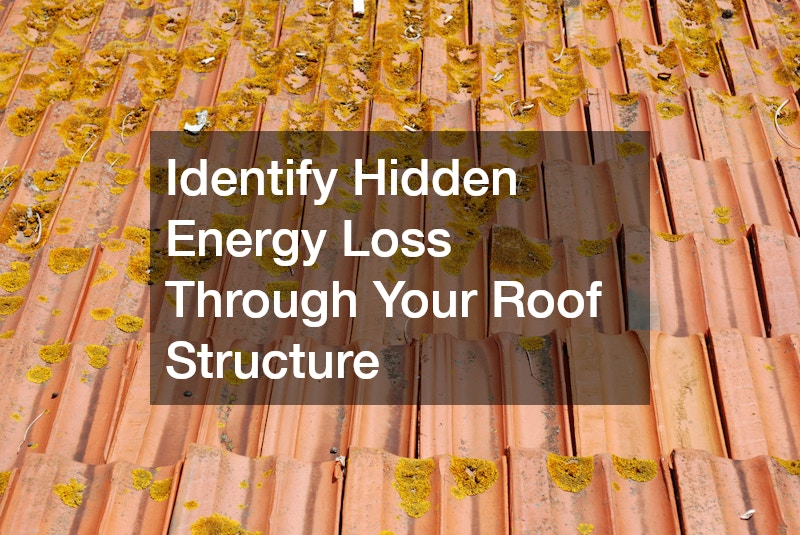
Identify Hidden Energy Loss Through Your Roof Structure
Your roof does more than shield your home from rain and snow. It plays a major role in regulating heat and controlling moisture. When roofing components deteriorate, energy efficiency often suffers long before obvious leaks appear inside the home.
Even small cracks, lifted shingles, or deteriorating flashing can allow heat to escape in winter and penetrate in summer. When that happens, your HVAC system compensates by running longer cycles. Over time, this increases wear and utility costs.
In addition, compromised roofing materials can permit humid air to enter the attic space, where it condenses and dampens insulation. Wet or compressed insulation loses much of its thermal resistance, accelerating heat transfer between the attic and living areas below. This creates inconsistent indoor temperatures and forces your heating and cooling equipment to work even harder to maintain comfort. Addressing minor roof issues early helps preserve insulation performance and prevents unnecessary strain on your entire climate control system.
Common issues that contribute to energy loss include:
- Damaged or missing shingles
- Compromised underlayment
- Improper attic insulation
- Inadequate ventilation
- Moisture buildup is affecting insulation performance
If you notice unexplained spikes in energy bills, uneven room temperatures, or attic humidity, it may be time to schedule a professional roofing service to evaluate your roof’s condition.
Delaying roof repair can create a chain reaction. Moisture infiltration reduces the insulation’s R-value, increasing heat transfer. That heat transfer forces HVAC systems to operate longer, accelerating equipment wear and increasing maintenance costs.
To minimize efficiency loss:
- Schedule annual roof inspections, especially after severe weather
- Check your attic for signs of moisture or compressed insulation
- Monitor ceilings for subtle discoloration
- Review utility bills seasonally for unexplained increases
Proactive roof repair protects more than shingles — it preserves insulation performance, airflow balance, and indoor climate control.
Improve Drainage to Protect Insulation and Air Quality
Water management systems are often overlooked in discussions about energy efficiency, but they play a critical role in protecting your home’s structure and insulation.
When water is not properly directed away from the roof and foundation, it can seep into the attic, walls, and crawl spaces. Moisture intrusion degrades insulation, promotes mold growth, and weakens structural materials. All of these factors directly impact HVAC performance.
Clogged or improperly sloped gutters are a frequent cause of moisture problems. Overflowing water can back up under roofing materials or saturate fascia boards. Over time, this creates damp insulation and trapped humidity.
Warning signs that your drainage system may need attention include:
- Water spilling over the edges during rain
- Sagging gutter sections
- Visible rust or cracks
- Pooling water near the foundation
- Peeling exterior paint near rooflines
Addressing gutter repair promptly prevents insulation damage and protects indoor air quality. When insulation becomes wet, its ability to resist heat transfer drops significantly. That forces your heating and cooling system to compensate.
In some cases, outdated systems may require complete replacement. Professional gutter installation services ensure proper slope, secure attachment, and appropriate downspout placement to direct water safely away from the structure.
Actionable steps homeowners can take:
- Inspect gutters seasonally
- Clear debris before heavy rainfall
- Ensure downspouts extend several feet from the foundation
- Consider gutter guards in heavily wooded areas
Maintaining effective drainage is one of the most cost-effective ways to protect energy efficiency and reduce long-term repair expenses.
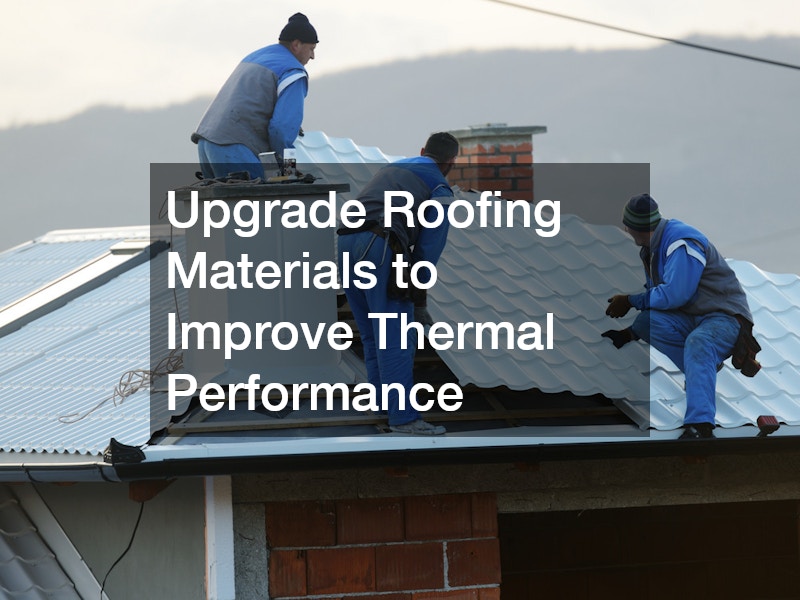
Upgrade Roofing Materials to Improve Thermal Performance
Not all roofing materials perform equally in terms of thermal resistance and reflectivity. The material covering your home plays a direct role in regulating attic temperature, which influences indoor comfort.
Some materials absorb large amounts of solar heat, raising attic temperatures significantly during the summer months. That heat radiates downward into living spaces, forcing air conditioning systems to work harder.
Composition roofing remains a popular choice for homeowners because it offers durability, affordability, and improved thermal performance when properly installed. Modern variants often include reflective granules that reduce heat absorption.
However, material selection alone is not enough. Proper roofing installation is equally important. Poor installation can leave gaps, compromise ventilation pathways, or reduce the effectiveness of underlayment.
When evaluating materials, consider:
- Solar reflectance rating
- Insulation compatibility
- Ventilation design
- Climate suitability
- Warranty coverage
Homeowners looking to enhance efficiency should:
- Compare energy performance ratings of available materials
- Ask contractors about cool-roof technologies
- Verify proper ventilation design during installation
- Ensure underlayment and insulation work together
Upgrading materials during replacement projects can significantly reduce attic heat buildup, stabilize indoor temperatures, and lower cooling costs.
Strengthen Ventilation Systems During Roof Replacement
Ventilation is one of the most misunderstood aspects of home efficiency. Even high-quality roofing materials cannot perform properly without balanced airflow.
When reroofing becomes necessary, it presents an ideal opportunity to evaluate and upgrade ventilation systems. Poor ventilation traps heat and moisture in the attic, affecting insulation and indoor air quality.
A qualified roofer should assess:
- Ridge vent functionality
- Soffit intake capacity
- Gable vent placement
- Attic fan performance
- Overall airflow balance
Signs of insufficient ventilation include:
- Ice dams forming in winter
- Excessively hot attic temperatures in summer
- Condensation buildup
- Musty odors
- Premature shingle deterioration
During reroofing projects, homeowners should request a ventilation assessment to ensure the intake and exhaust systems are properly balanced. Proper airflow allows hot air to escape in summer and reduces moisture accumulation year-round. Balanced ventilation also helps preserve insulation performance by preventing condensation that can compress or degrade materials over time. By optimizing airflow during the replacement process, homeowners can reduce HVAC strain and create more consistent indoor temperatures throughout the house. Benefits of improved ventilation include:
- Lower attic temperatures
- Reduced HVAC strain
- Extended roof lifespan
- Improved indoor air quality
- More stable indoor humidity levels
Addressing ventilation during roof replacement prevents recurring issues and supports long-term efficiency gains.

Choose Contractors Who Understand Whole-Home Efficiency
Not all contractors evaluate projects through an energy-performance lens. While many focus on structural integrity and aesthetics, fewer consider how exterior improvements affect HVAC efficiency.
When hiring a roofing company, homeowners should ask questions that go beyond surface-level repairs.
Consider asking:
- How will this project impact attic ventilation?
- Will insulation be evaluated during the process?
- Are there moisture mitigation strategies included?
- Can minor structural issues affect energy performance?
Comprehensive roof repair services should address not just visible damage but also underlying factors that influence efficiency.
Choosing professionals who understand the relationship between roofing systems and HVAC performance ensures that repairs and upgrades support whole-home energy management.
Important factors when selecting a contractor:
- Licensing and insurance verification
- Detailed inspection reports
- Experience with energy-efficient upgrades
- Transparent pricing and scope of work
- References from similar projects
A contractor who prioritizes long-term performance rather than quick fixes can help homeowners avoid recurring energy loss and costly repeat repairs.
Protect Your HVAC Investment With Preventive Exterior Maintenance
Your heating and cooling system represents one of the largest investments in your home. Protecting it requires maintaining the exterior systems that influence its workload.
Neglected roofing, drainage, and ventilation systems increase operational strain on HVAC units. Over time, this shortens equipment lifespan and increases repair frequency.
Seasonal maintenance checklist:
Spring
- Inspect for winter storm damage
- Clear debris from drainage systems
- Check attic for moisture
Summer
- Evaluate attic temperatures
- Confirm ventilation airflow
- Inspect sealants and flashing
Fall
- Clean gutters before heavy rainfall
- Inspect insulation for compression
- Check for loose shingles
Winter
- Watch for ice dams
- Monitor interior ceilings for condensation
- Ensure attic airflow remains unobstructed
Homeowners can handle basic inspections, but professional evaluations provide deeper insight into hidden efficiency problems.
Preventive maintenance reduces:
- Emergency repair costs
- Utility bill spikes
- Moisture-related structural damage
- HVAC breakdowns
By keeping exterior systems in optimal condition, you create a protective shield that supports consistent indoor comfort year-round. This proactive approach minimizes unexpected repairs and helps your heating and cooling equipment operate at peak efficiency. Over time, consistent maintenance also preserves your home’s structural integrity while keeping energy costs predictable and manageable.
Calculate the Long-Term Return on Exterior Efficiency Improvements
Many homeowners hesitate to invest in exterior upgrades because they focus on upfront costs rather than long-term savings. However, improving roofing materials, ventilation, and drainage systems often delivers measurable financial benefits.
Energy savings accumulate monthly. When attic temperatures drop, and insulation remains dry, HVAC systems operate more efficiently. This reduces wear and lowers maintenance expenses.
Long-term benefits include:
- Lower utility bills
- Reduced equipment repair frequency
- Extended HVAC lifespan
- Increased property value
- Improved resale appeal
Energy audits can help quantify potential savings. These assessments identify air leaks, insulation weaknesses, and ventilation imbalances that contribute to inefficiency.
Homeowners should consider phased improvement strategies:
- Address urgent repairs first
- Upgrade ventilation systems
- Improve insulation levels
- Evaluate material upgrades during replacement cycles
Taking a strategic approach allows homeowners to manage budgets while steadily improving performance.
Over time, the cost of ignoring exterior issues often exceeds the cost of proactive upgrades. Investing in durable materials and proper installation protects both comfort and financial stability.
Why Your Home’s Exterior Is the Key to Lasting Indoor Efficiency
Indoor efficiency does not begin and end with your HVAC system. It starts at the outermost layer of your home. Roofing materials, ventilation systems, drainage components, and structural integrity all work together to regulate temperature, control moisture, and protect insulation.
When these exterior systems are properly maintained and thoughtfully upgraded, they reduce energy waste, stabilize indoor comfort, and extend the lifespan of heating and cooling equipment. When they are neglected, even the most advanced HVAC system will struggle to perform efficiently.
By taking a proactive, whole-home approach to maintenance and upgrades, homeowners can protect their investment, reduce operating costs, and enjoy consistent comfort year-round.
This broader perspective shifts the focus from reactive repairs to strategic prevention. Instead of waiting for visible leaks, drafts, or system breakdowns, homeowners can schedule regular inspections and address minor concerns before they escalate. Small improvements—such as sealing flashing gaps, clearing drainage pathways, or improving attic airflow—often have a measurable impact on monthly utility bills.
A well-maintained exterior also creates a more balanced indoor environment. Stable attic temperatures reduce the likelihood of hot and cold spots throughout the home. Controlled moisture levels help prevent mold growth and protect indoor air quality. Even structural components such as decking and fascia boards play a role in preserving insulation effectiveness and preventing energy loss.
In addition, consistent exterior upkeep enhances overall property value. Prospective buyers increasingly recognize the connection between envelope integrity and energy efficiency. Demonstrating that your home has been maintained with efficiency in mind can make it more appealing in competitive markets.
Ultimately, indoor comfort is not achieved by a single system alone. It is the result of coordinated performance between your roof, ventilation pathways, drainage design, insulation, and HVAC equipment. When each component functions properly, the entire home operates more efficiently, delivering reliable comfort in every season while keeping long-term maintenance costs under control.
