What Factors Impact the Efficiency of Your HVAC System?
Heating and cooling systems play a critical role in maintaining comfort inside a home. Whether it is the peak of summer or the coldest months of winter, a properly functioning HVAC system helps regulate indoor temperatures and maintain healthy air circulation. However, many homeowners notice that their systems sometimes struggle to keep up with heating or cooling demands. When this happens, it is often the result of several factors working together to reduce the overall efficiency of the system.
HVAC efficiency depends on more than just the equipment itself. The condition of the home, the quality of maintenance, and even structural features such as insulation and windows can influence how hard the system has to work. When these elements are properly maintained, heating and cooling systems operate more efficiently and consume less energy. Understanding the factors that affect HVAC performance can help homeowners make informed decisions that improve comfort while reducing long-term energy costs.
Maintaining Your Air Conditioning System Regularly
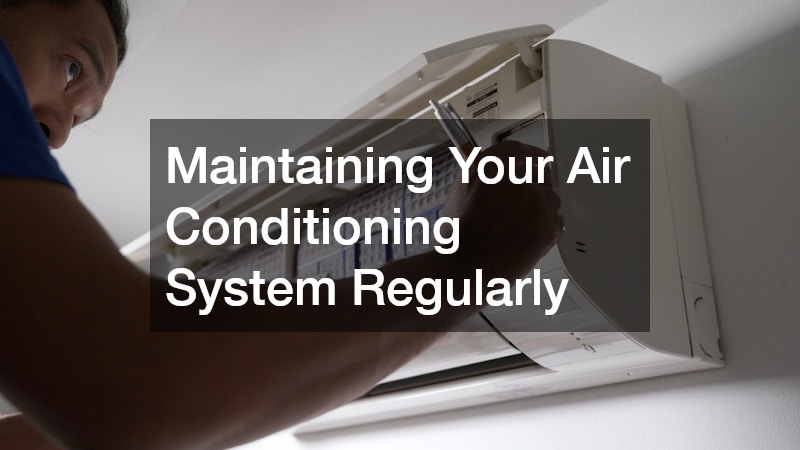
Routine maintenance is one of the most important factors in keeping an HVAC system running efficiently. Over time, dust, debris, and normal wear can reduce the performance of air conditioning components. Filters may become clogged, coils may accumulate dirt, and mechanical parts may begin to wear down. When these issues are not addressed, the system has to work harder to maintain the desired indoor temperature.
Regular maintenance helps ensure that the system continues to operate at its intended performance level. Homeowners often schedule professional inspections and ac repairs to identify potential problems before they become major failures. Technicians can clean important components, replace worn parts, and verify that refrigerant levels are correct. These preventative steps help extend the life of the system and keep cooling performance consistent during hot weather.
Choosing Experienced Professionals for System Maintenance
Another key factor that influences HVAC efficiency is the quality of the professionals responsible for maintaining the system. Heating and cooling equipment involves complex mechanical and electrical components that must work together properly. When maintenance is performed incorrectly or important steps are overlooked, the system may not perform at its best. Skilled technicians understand how to evaluate the entire system and ensure that each component is functioning correctly.
Working with experienced Heating companies allows homeowners to receive accurate system evaluations and reliable service recommendations. These professionals are trained to diagnose performance issues, calibrate system controls, and perform preventative maintenance that supports long-term efficiency. By relying on knowledgeable technicians, homeowners can help ensure that their HVAC systems continue to operate safely and efficiently throughout the year.
Selecting the Right Fuel Source for Your Heating System
The type of fuel used to power a heating system can significantly influence overall HVAC efficiency. Different fuel sources produce heat in different ways, and each option has its own advantages depending on the climate, home design, and heating equipment. When homeowners choose a fuel type that aligns with the needs of their heating system, the equipment can operate more consistently and maintain stable indoor temperatures throughout the colder months.
Fuel availability and energy output also play a role in determining how efficiently a system performs. Some heating systems rely on electricity or natural gas, while others use oil to generate consistent heat during the winter season. When a system is designed to work with residential heating oil, it can produce reliable warmth and maintain steady performance even during periods of extreme cold. Choosing the correct fuel source for a home’s heating equipment allows the system to operate as designed and reduces the likelihood of unnecessary strain on its components.
Efficiency can also be affected by how well the fuel delivery system is maintained. Storage tanks, burners, and fuel lines must all function properly to ensure that the heating system receives a steady supply of energy. Regular maintenance of these components helps prevent interruptions in heating performance and allows the system to burn fuel more efficiently. When fuel systems are properly maintained, homeowners can experience more consistent indoor comfort while reducing wasted energy.
In addition to maintenance, homeowners should consider how their heating equipment interacts with the rest of the home’s structure. Insulation levels, window quality, and roof condition can all influence how effectively heat is retained inside the home. When the fuel system is paired with a well-maintained home environment, heating equipment can operate more efficiently and deliver consistent warmth throughout the living space.
Addressing Roof Issues That Affect Indoor Temperatures
The condition of a home’s roof can have a major impact on HVAC efficiency. The roof serves as one of the primary barriers that protect the home from outdoor temperatures, sunlight, and weather conditions. When roofing materials begin to deteriorate or develop gaps, heat can escape during the winter and enter the home during the summer. This temperature exchange forces the HVAC system to work harder to maintain comfortable indoor conditions.
Small roofing problems can gradually lead to larger efficiency issues if they are not addressed promptly. Damaged shingles, weakened flashing, and gaps around roof penetrations can allow air to leak in or out of the home. Over time, these openings reduce the home’s ability to retain conditioned air, which places additional strain on heating and cooling equipment. Addressing these problems early helps maintain the integrity of the home’s thermal barrier.
Homeowners who schedule roof repair when issues are detected can help preserve their HVAC system’s efficiency. Repairing damaged roofing materials prevents unwanted air exchange and helps maintain stable indoor temperatures. By keeping the roof in good condition, the home retains heated or cooled air more effectively, which allows the HVAC system to operate with less effort.
Maintaining a strong roof structure also supports other energy-saving improvements throughout the home. When roofing materials are secure and properly sealed, insulation and ventilation systems can function more effectively. This combination helps reduce energy waste and improves the overall performance of heating and cooling equipment.
Preventing Energy Loss Through Structural Maintenance
Beyond major repairs, regular structural maintenance plays an important role in maintaining HVAC efficiency. Homes naturally develop small gaps, worn materials, and minor damage over time that can allow conditioned air to escape. When these issues accumulate, heating and cooling systems must run longer cycles to compensate for the lost energy. Addressing these structural concerns helps ensure that the HVAC system is not working harder than necessary.
Routine maintenance allows homeowners to identify small problems before they become significant energy drains. Cracked roofing materials, deteriorating sealants, and loose structural components can all create openings where air leaks occur. These small issues may not be immediately noticeable, but they can gradually reduce the home’s ability to maintain stable temperatures.
Professional roof repair services can help identify and correct these types of structural vulnerabilities. Experienced technicians inspect roofing materials, ventilation components, and sealing areas to ensure that the home remains properly protected from outside air infiltration. By addressing these weaknesses, homeowners can improve the building envelope and support more efficient HVAC performance.
Maintaining the structural integrity of the home ultimately supports every part of the heating and cooling system. When the building envelope remains well sealed and properly maintained, conditioned air stays inside where it belongs. This allows the HVAC system to maintain comfort levels with less energy consumption, helping homeowners achieve better efficiency and lower utility costs.
Improving Insulation Throughout the Home
Proper insulation plays a major role in determining how efficiently an HVAC system operates. Insulation acts as a barrier that slows the transfer of heat between the inside of the home and the outdoor environment. When insulation levels are adequate, heated or cooled air stays inside the home longer, allowing the HVAC system to maintain stable temperatures without constantly running. Homes with poor insulation often experience uneven temperatures and higher energy bills because the system must work harder to compensate for the lost air.
Upgrading insulation can dramatically improve overall system performance. Homeowners sometimes work with an insulation company to evaluate areas where energy loss is occurring, such as attics, crawl spaces, and exterior walls. Adding insulation in these areas helps strengthen the home’s thermal barrier and reduces unnecessary strain on heating and cooling equipment. When insulation is properly installed, HVAC systems operate more efficiently and maintain a more comfortable indoor environment.
Using Window Coverings to Control Indoor Temperatures
Windows allow natural light into a home, but they can also allow unwanted heat to enter or escape. During hot weather, sunlight passing through uncovered windows can quickly raise indoor temperatures and force the air conditioning system to work harder. In colder months, windows can also become areas where heat escapes from the home. Managing these temperature changes is important for maintaining HVAC efficiency.
Homeowners often use window treatments such as blinds, curtains, or shades to help regulate indoor temperatures. These coverings provide an additional barrier that helps limit heat transfer through the glass. By reducing solar heat gain during the summer and retaining warmth during the winter, window treatments can help maintain more consistent indoor conditions and reduce the workload placed on heating and cooling systems.
Reducing Heat Transfer Through Treated Glass
Glass surfaces naturally allow heat to move between the inside and outside of a home. When large windows are exposed to direct sunlight, they can significantly increase indoor temperatures during warmer months. This extra heat forces HVAC systems to run longer cycles in order to keep the home comfortable. Managing how heat interacts with window glass is an important part of improving overall energy efficiency.
Some homeowners explore solutions offered by window tinting companies to reduce the amount of heat that passes through their windows. Special window films can help reflect sunlight and limit solar heat gain while still allowing natural light into the home. By reducing the amount of heat entering through glass surfaces, these treatments help the HVAC system maintain indoor temperatures more easily and operate more efficiently.
Upgrading Exterior Doors to Improve Energy Efficiency
Exterior doors can have a significant impact on the efficiency of a home’s HVAC system. Over time, doors may develop gaps, worn seals, or structural warping that allows air to move freely between the inside and outside of the house. When conditioned air escapes through these openings, heating and cooling systems must run longer to maintain the desired temperature. This added workload can increase energy consumption and place unnecessary strain on HVAC equipment.
In some cases, homeowners may benefit from scheduling a door replacement when existing doors no longer provide a tight seal. Modern exterior doors are often designed with improved insulation materials and weather sealing that help prevent unwanted air transfer. Upgrading to a properly fitted door helps keep heated or cooled air inside the home, which allows the HVAC system to operate more efficiently and maintain a comfortable indoor environment.
Choosing Well-Sealed Entry Points for Better Climate Control
Entry points throughout the home also influence how well the HVAC system performs. Even small gaps around doors and frames can allow drafts that disrupt indoor temperature stability. When outside air enters the home through these openings, the heating and cooling system must work harder to restore the desired conditions. Proper sealing around entry points helps reduce these drafts and supports better climate control throughout the house.
Upgrading or properly maintaining entry doors can improve the home’s ability to retain conditioned air. Well-sealed doors with quality weatherstripping help block outdoor temperatures and prevent air leaks that affect HVAC performance. By improving the seal around these entry points, homeowners can reduce energy loss and allow their heating and cooling systems to maintain consistent indoor comfort with less effort.
An HVAC system does not operate in isolation. Its efficiency depends on a variety of factors that involve both the equipment itself and the overall condition of the home. Maintenance practices, insulation levels, roofing condition, window performance, and door sealing all contribute to how effectively the system can regulate indoor temperatures. When these elements work together properly, heating and cooling systems can operate with less strain and lower energy consumption.
Our team understands how important it is to maintain a home environment that supports efficient heating and cooling. By addressing structural issues, improving insulation, and maintaining important components of the home, we help homeowners create conditions where HVAC systems can perform at their best. If you are looking to improve your home’s comfort and efficiency, contact our team today to learn how we can help keep your system running smoothly.
