AC Installation vs Replacement Smart Choices for Home Comfort
When your cooling system starts acting up, the decision between fixing what you have and investing in something new can feel overwhelming. Many homeowners wait until their system completely fails, only to face a rushed and expensive choice during peak heat. The truth is, making a smart decision ahead of time can save you money, improve comfort, and reduce stress.
This guide walks you through how to evaluate your system, compare costs, and make the best long-term decision for your home. Whether your unit is struggling or simply aging, understanding your options puts you in control.
Start With a Full System Evaluation Before Deciding
Before making any major decision about your cooling system, it’s critical to understand exactly what condition it’s in. Many homeowners assume the worst when their system stops performing well, but that’s not always the case. Some issues may be minor and easily fixable, while others signal deeper, more expensive problems. A full evaluation gives you a clear picture of whether you’re dealing with a temporary issue or a long-term decline. It also helps prevent unnecessary spending on a system that may still have life left in it. Skipping this step often leads to either overspending on replacement or wasting money on repeated fixes. Taking the time to assess everything upfront puts you in a stronger position to make a confident, informed decision.
A qualified HVAC contractor will assess:
- The age and model of your system
- Overall wear and tear on major components
- Refrigerant levels and potential leaks
- Airflow performance and duct condition
- Energy efficiency compared to modern systems
If the issue is minor, a simple HVAC repair may restore full function. However, if multiple components are failing or efficiency is declining, replacement might be the smarter move. Getting a professional opinion ensures you’re not relying on guesswork or assumptions. It also helps you avoid investing in short-term fixes that won’t last. In many cases, this evaluation becomes the foundation for all future decisions about your system.
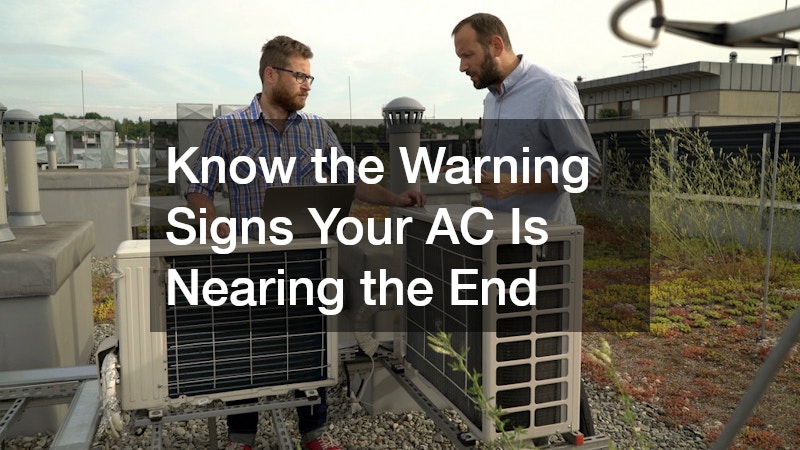
Know the Warning Signs Your AC Is Nearing the End
Air conditioning systems rarely fail without warning, but those warning signs are often overlooked. Paying attention to how your system behaves can give you valuable insight into its overall health. As systems age, they tend to lose efficiency and require more frequent attention. These issues may start small but often grow into larger, more expensive problems over time. Recognizing these patterns early allows you to plan ahead rather than react under pressure. It also helps you avoid the discomfort and inconvenience of a sudden breakdown. Understanding these warning signs puts you in control before things escalate.
Common signs include:
- Frequent need for AC repairs within a short time
- Increasing monthly energy bills without increased usage
- Uneven cooling or hot spots throughout your home
- Weak airflow coming from vents
- Strange noises like grinding, banging, or rattling
- Unpleasant odors when the system runs
If you’re repeatedly calling for an AC repair service, it’s worth evaluating whether those costs are adding up to more than the system is worth. Small, occasional repairs are normal, but consistent issues often indicate a system in decline. Ignoring these warning signs can lead to higher costs and sudden failure. Addressing them early gives you more flexibility and better financial outcomes. It also allows you to make decisions on your timeline instead of during an emergency.
Understand When Installation Makes More Sense Than Repair
There comes a point when continuing to repair your system no longer provides real value. While repairs can extend the life of a unit, they don’t improve efficiency or modernize its performance. Older systems are often less energy-efficient and may struggle to keep up with your home’s cooling demands. Over time, this leads to higher energy bills and reduced comfort. A new system offers the opportunity to upgrade not just performance, but also reliability and technology. Making the switch at the right time can prevent ongoing frustration and rising costs. Understanding when to make that transition is key to maximizing your investment.
A new AC installation offers several advantages:
- Lower energy consumption and reduced utility bills
- Improved indoor air quality and humidity control
- Quieter operation and better airflow
- Compatibility with modern smart home systems
A professional air conditioning install ensures your system is properly matched to your home, which significantly impacts performance. Investing in a new system isn’t just about replacing old equipment-it’s about improving overall comfort and efficiency. When done correctly, it can reduce long-term expenses and increase home value. It also gives you peace of mind knowing your system is reliable. In many cases, the long-term benefits far outweigh the initial cost.

Compare Upfront Costs vs Long-Term Savings
Cost is often the biggest factor homeowners consider, but focusing only on the initial price can be misleading. While repairs may seem more affordable upfront, they can add up quickly over time. Replacement, on the other hand, requires a larger initial investment but often results in lower ongoing costs. Understanding the full financial picture helps you make a smarter decision. It’s important to think beyond today’s expense and consider what you’ll be paying over the next several years. Factoring in energy efficiency, maintenance, and reliability gives you a more accurate comparison. This approach helps you avoid decisions that seem cheaper now but cost more later.
Short-Term Costs
- Repairs: Lower upfront, but recurring
- Replacement: Higher initial investment
Long-Term Costs
- Repairs: Increased energy bills and ongoing maintenance
- Replacement: Lower operating costs and fewer service calls
Reputable HVAC companies often provide detailed cost comparisons to help you evaluate your options. Many heating and air services providers also offer financing plans that make replacement more manageable. Looking at long-term savings can shift your perspective significantly. It allows you to see replacement as an investment rather than just an expense. Making decisions with this mindset leads to better financial outcomes over time.
Choose the Right System Size and Efficiency Level
Selecting the right system involves more than just picking a brand or model. Proper sizing is one of the most important factors in overall performance. A system that is too large or too small will struggle to operate efficiently. This can lead to inconsistent temperatures, increased wear and tear, and higher energy bills. Efficiency ratings also play a major role in long-term savings. Modern systems offer improved performance, but only when properly matched to your home. Taking the time to get this right ensures better comfort and reliability. It also helps you avoid common issues that come from improper installation.
An experienced HVAC contractor will evaluate:
- Square footage
- Ceiling height
- Insulation quality
- Window placement and sun exposure
During your air conditioning install, choosing the right efficiency level can significantly impact your utility costs. Higher-efficiency systems may cost more upfront but often pay for themselves over time. Proper sizing and efficiency work together to deliver optimal performance. Skipping these steps can lead to long-term frustration and unnecessary expenses. Making informed choices here sets the foundation for years of comfort.

Evaluate Your Home’s Existing Infrastructure
Your cooling system depends heavily on the condition of your home’s infrastructure. Even the best equipment won’t perform well if supporting components are outdated or inefficient. Ductwork, insulation, and airflow all play a major role in how effectively your system operates. Ignoring these elements can lead to wasted energy and uneven cooling. Evaluating your home as a whole ensures your system can perform at its best. This step is often overlooked but can make a significant difference in results. Addressing these factors improves both comfort and efficiency.
Key areas to evaluate:
- Ductwork condition and potential leaks
- Insulation quality
- Airflow throughout the home
- Electrical system compatibility
In some cases, targeted HVAC repair combined with minor upgrades may be enough. In others, a full ac installation paired with infrastructure improvements delivers the best outcome. Taking a comprehensive approach ensures your investment is fully optimized. It also prevents future issues that stem from overlooked problems. A well-prepared home supports better system performance and longevity.
Know When Replacement Is the Smarter Financial Move
There are clear situations where replacing your system becomes the more practical choice. Older systems tend to lose efficiency and require more frequent attention. As repair costs increase, the value of continuing to fix the system decreases. Eventually, replacement becomes the more cost-effective option. Recognizing this tipping point helps you avoid wasting money on temporary solutions. It also allows you to plan ahead instead of reacting to a breakdown. Understanding these factors leads to smarter long-term decisions.
Consider replacement if:
- Your system is over 10–15 years old
- Youve had multiple major ac repairs recently
- Your energy bills continue to rise
- Your system uses outdated refrigerant
- Comfort levels are inconsistent
While ac replacements require a larger upfront investment, they often provide better reliability and efficiency. Continuing to invest in frequent repairs can become more expensive over time. Replacing your system at the right moment can reduce stress and improve performance. It also gives you access to newer technology and energy savings. In many cases, it’s the more practical and financially sound choice.

How to Choose Reliable Professionals for the Job
The quality of your results depends heavily on the professionals you hire. Not all service providers offer the same level of expertise or reliability. Choosing the right team ensures your system is installed or repaired correctly. It also helps you avoid costly mistakes and poor workmanship. Taking the time to research your options can make a significant difference. A trustworthy professional will guide you through the process and provide clear recommendations. This step is essential for achieving the best outcome.
When evaluating AC contractors, look for:
- Proper licensing and certifications
- Strong reviews and testimonials
- Clear, detailed estimates
- Transparent pricing
Top HVAC companies will also offer warranties and ongoing support. Avoid providers who use high-pressure sales tactics or provide vague information. A reliable professional will prioritize your needs and provide honest guidance. Taking the time to choose carefully ensures long-term satisfaction. It also gives you confidence in your investment.
Plan Your Installation or Replacement Timeline Strategically
Timing plays a major role in both cost and convenience. Many homeowners wait until their system fails, which often leads to rushed decisions and higher expenses. Planning ahead gives you more control over the process. It allows you to compare options, schedule at your convenience, and potentially save money. Off-season periods are often the best time to schedule work. This approach reduces stress and improves overall outcomes. Being proactive makes the entire process smoother.
Best times to schedule work:
- Early spring or fall
- Before peak summer demand
Many heating and air services providers offer better availability and pricing during slower months. Planning ahead also gives you more time to evaluate ac replacements carefully. Waiting until the last minute limits your options and increases pressure. A strategic timeline helps you stay in control. It ensures you get the best value and service possible.
Maximize Performance After Installation or Repair
Once your system is in place, maintaining it properly is essential for long-term performance. Even the best equipment requires regular care to operate efficiently. Neglecting maintenance can lead to reduced performance and costly repairs. Simple habits can go a long way in protecting your investment. Staying consistent with upkeep ensures your system runs smoothly. It also helps you catch small issues before they become major problems. This approach extends the lifespan of your system.
Essential maintenance tasks:
- Replace filters regularly
- Keep outdoor units clean
- Schedule annual inspections
Working with a trusted AC repair service ensures your system stays in top condition. Many AC contractors offer maintenance plans that simplify ongoing care. Regular maintenance improves efficiency and reduces unexpected breakdowns. It also helps you get the most value out of your system. Staying proactive keeps your home comfortable year-round.
Making the Right Choice for Long-Term Comfort
Choosing between repairing and replacing your system ultimately comes down to understanding your specific situation. By evaluating your system carefully, considering long-term costs, and planning ahead, you can make a decision that supports both your comfort and your budget. Taking a proactive approach allows you to avoid unnecessary stress and expenses while ensuring your home remains comfortable throughout the year.
