
Common Heating And Cooling Problems Homeowners Should Know
Heating and cooling systems play a major role in keeping a home comfortable throughout the year. When something goes wrong, the symptoms may range from uneven temperatures and weak airflow to strange noises, unusual odors, or complete system failure. Recognizing these warning signs early can help homeowners address minor issues before they become expensive or disruptive problems.
Some maintenance tasks are simple enough to handle at home, while others require specialized equipment, technical knowledge, or safety precautions. Knowing the difference can help you protect your equipment, avoid unnecessary costs, and keep your household comfortable.
Identify Why Your Home Is Not Cooling Evenly

Uneven temperatures are one of the most common comfort complaints homeowners experience. You may notice that one bedroom is consistently warmer than the rest of the house, an upstairs area feels significantly hotter, or certain rooms receive very little conditioned air. While this can sometimes indicate an equipment problem, the cause may also involve airflow, insulation, windows, or thermostat placement.
Start by checking every supply register and return vent. Furniture, curtains, rugs, and other household items can accidentally block airflow. Make sure registers are open and unobstructed, and avoid closing multiple vents in an attempt to redirect air. Doing so can alter the pressure balance throughout the system.
The thermostat can also contribute to uneven comfort. If it is located near a sunny window, kitchen, frequently opened exterior door, or heat-producing appliance, it may sense a temperature that does not accurately represent the rest of the home.
Other potential causes include:
- Inadequate insulation in walls, ceilings, or attics
- Air leaks around windows and exterior doors
- Poorly designed or unbalanced ductwork
- An aging system struggling to meet demand
- A dirty filter restricting overall airflow
- Excessive heat gain in rooms with large windows
If basic adjustments do not improve the problem, contacting an HVAC company can help identify whether the issue originates with the equipment or the home’s airflow and building envelope. Professional HVAC services may include system inspections, airflow evaluations, maintenance, and recommendations for improving comfort throughout the property.
Troubleshoot Weak Airflow Before Calling For Help
Weak airflow can make a functioning heating or cooling system feel ineffective. Even when the thermostat indicates that the system is running, little air may come from the registers. This can increase run times, reduce comfort, and potentially place additional strain on equipment.
The first thing to check is the air filter. A heavily loaded filter can restrict the amount of air moving through the system. Follow the manufacturer’s recommendations for filter replacement, and check it more frequently if you have pets, perform renovations, or live in a particularly dusty environment.
Next, inspect the home’s registers and returns. Make sure they are open and free from obstructions. If airflow is strong in some areas but weak in others, the problem may be localized rather than affecting the entire system.
Ductwork deserves attention as well. Leaks, disconnected sections, crushed flexible ducts, and inadequate insulation can prevent conditioned air from reaching its intended destination. Dust and debris accumulation can also contribute to airflow concerns under certain circumstances.
Professional duct cleaning may be appropriate when there is significant contamination or another specific reason to clean the system. However, cleaning should not automatically be treated as the solution to every airflow problem. A professional should first determine whether the underlying issue involves duct design, leakage, equipment performance, or another factor.
Recognize Warning Signs Of Cooling System Problems
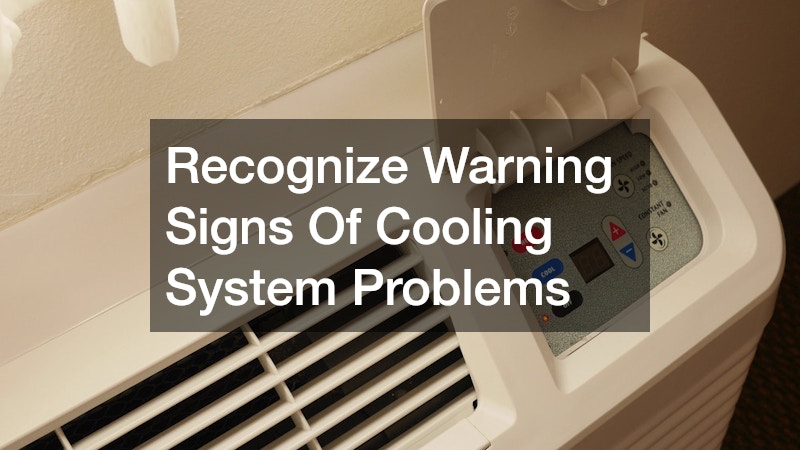
Cooling equipment often provides warning signs before it stops working completely. Paying attention to changes in performance can give homeowners an opportunity to address problems before a major breakdown occurs.
One of the most obvious symptoms is warm air coming from the vents when the system is supposed to be cooling. Other warning signs include unusually long cycles, frequent starts and stops, water around the indoor equipment, strange noises, or ice forming on components.
Homeowners can perform a few basic checks. Confirm that the thermostat is set correctly and that the system is actually calling for cooling. Check the air filter and make sure supply and return vents are unobstructed. If the outdoor unit is running, look for obvious debris around it, while avoiding contact with electrical components.
More complicated problems may involve refrigerant levels, electrical components, blower motors, capacitors, coils, compressors, or drainage systems. These components generally require professional diagnosis and repair.
Scheduling ac repair promptly can be particularly important when the system is struggling to maintain the desired temperature. Continuing to operate equipment that is malfunctioning can sometimes worsen the original problem or increase operating costs.
Know When Your Cooling System Needs Professional Attention
Not every cooling problem requires an emergency appointment, but certain symptoms should not be ignored. Understanding when professional assistance is necessary can prevent homeowners from turning a manageable issue into a larger repair.
Air conditioning services can address a wide range of needs, from routine maintenance to troubleshooting and system replacement. Professional technicians have the tools and training to test components that cannot be accurately evaluated through visual inspection alone.
For example, refrigerant problems require more than simply adding refrigerant. A qualified technician should determine whether the system is undercharged and investigate potential leaks. Similarly, electrical problems should not be treated as simple DIY repairs because energized components can present serious hazards.
HVAC repairs may be appropriate when you notice:
- Persistent warm air from the registers
- Repeated short cycling
- Unusual grinding, squealing, or rattling sounds
- Water leaking around indoor equipment
- Ice accumulation on the system
- Burning or electrical odors
- Sudden increases in energy consumption
- A system that repeatedly shuts down
Do not continue operating equipment if there is smoke, a strong burning odor, an electrical hazard, or another potentially dangerous condition. Shut the system down when appropriate and seek qualified assistance.
Fix Common Heating Problems Before They Get Worse

Heating problems can become particularly uncomfortable when outdoor temperatures drop. Fortunately, some symptoms can be investigated with a few simple checks before professional assistance is necessary.
Begin with the thermostat. Confirm that it is set to heating mode and that the temperature setting is higher than the current indoor temperature. If the thermostat uses batteries, replace them if necessary.
The filter is another important consideration. Restricted airflow can affect heating performance just as it can affect cooling. A dirty filter can make the system work harder while reducing the amount of heated air reaching living spaces.
Check registers and returns throughout the home as well. They should remain open and unobstructed.
If the system still fails to provide adequate heat, the cause may involve ignition components, burners, electrical controls, blower equipment, sensors, or other internal components. Homeowners should avoid attempting to disassemble these systems without appropriate training.
Professional heater repair may be necessary when the equipment produces unusual sounds, repeatedly shuts down, fails to ignite, or cannot maintain the desired temperature.
Unusual odors deserve special attention. A brief dusty smell when heating equipment is first turned on after a long period of inactivity can occur, but a persistent burning odor or suspected gas odor should not be ignored. Leave the area and follow appropriate emergency procedures if you suspect a dangerous gas leak.
Prevent Heating Problems With Seasonal Maintenance
Preventive maintenance is one of the best ways to reduce unexpected heating problems. Ideally, heating equipment should be evaluated before the period when it will be used most heavily. This provides an opportunity to identify worn components and address developing issues before a cold-weather breakdown.
Qualified HVAC contractors can inspect equipment, test components, evaluate airflow, and identify maintenance needs. Professional inspections are especially useful for systems that are older, have a history of breakdowns, or have developed new noises or performance problems.
Homeowners can also create a simple seasonal checklist:
- Replace or inspect the air filter.
- Test the thermostat before cold weather arrives.
- Make sure supply and return vents are unobstructed.
- Keep the area around equipment clear.
- Inspect visible ductwork for obvious damage.
- Check for unusual sounds or odors.
- Review previous repair records for recurring problems.
- Schedule professional maintenance when recommended.
Keeping records can be surprisingly useful. Write down when filters are replaced, when maintenance occurs, and which components have required repairs. A history of repeated failures can help you make more informed decisions about whether continued repairs make sense.
Decide Whether Your Cooling System Needs Replacement
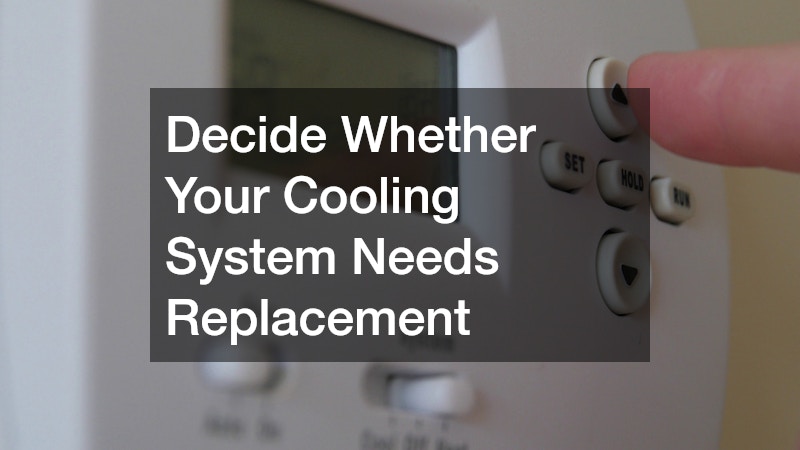
Eventually, repairing an aging cooling system may no longer be the most practical option. However, age alone should not determine whether equipment should be replaced. Homeowners should consider several factors together.
Frequent breakdowns can be an important warning sign. If you are repeatedly paying for repairs while the system continues to provide unreliable comfort, replacement may deserve consideration. Rising energy costs can also indicate declining efficiency, although increased utility rates and changes in household usage should be considered as well.
The nature and cost of the required repair matter, too. A relatively inexpensive repair on an otherwise reliable system may make sense. A major repair on an aging system with a history of problems may be a different calculation.
When considering ac installation, homeowners should pay attention to more than the equipment itself. Proper sizing, ductwork compatibility, installation quality, airflow, controls, and commissioning can all affect the final performance of a new system.
Before approving a replacement, ask:
- Is the equipment appropriately sized for the home?
- What efficiency rating does the system have?
- Will existing ductwork work properly with the new equipment?
- What maintenance will the new system require?
- What warranties apply to the equipment and workmanship?
- What is included in the installation price?
A properly planned replacement can provide more dependable comfort while potentially improving efficiency and reducing recurring repair needs.
Understand Problems That Affect More Than Temperature
Homeowners often think of HVAC equipment strictly in terms of heating and cooling, but several household systems work together to affect overall comfort. Hot-water problems, for example, can disrupt daily routines and sometimes cause property damage.
Common warning signs include water that never reaches the expected temperature, inconsistent hot water, unusual popping or banging sounds, visible leaks, rusty water, or a noticeable decline in hot-water capacity.
Water heater services can help address maintenance, troubleshooting, repair, and replacement needs. The appropriate solution depends on whether the home has a conventional tank system, tankless equipment, or another configuration.
Homeowners should pay particular attention to leaks. Even a relatively small leak can cause damage if it continues unnoticed. Water around the base of a tank, moisture near connections, or signs of corrosion should be investigated promptly.
Some water-heating tasks involve gas connections, electrical components, pressure systems, or hot water that can cause burns. These are not appropriate DIY projects for most homeowners.
Reduce Recurring Problems With A Home Maintenance Routine
A consistent maintenance routine makes it easier to catch problems before they become emergencies. Instead of waiting until a system stops working, homeowners can perform simple checks throughout the year.
A monthly routine might include checking the filter, looking at vents, and paying attention to changes in comfort. Seasonal checks can focus on preparing equipment for the upcoming heating or cooling season.
Homeowners should monitor changes such as:
- Rooms becoming noticeably harder to heat or cool
- Equipment running longer than usual
- New or unusual noises
- Unexpected odors
- Increasing utility consumption
- Water around HVAC equipment
- Frequent cycling
- Repeated thermostat adjustments
Do not assume that a recurring symptom is normal simply because the system continues operating. For example, repeatedly resetting equipment may temporarily restore operation without addressing the underlying cause.
It is also useful to keep the area around indoor and outdoor equipment clear. Avoid storing household items directly around mechanical equipment, and maintain appropriate clearance according to the manufacturer’s instructions.
Maintenance records can help identify patterns. If the same component repeatedly fails or the system requires increasingly frequent attention, those trends can inform future repair or replacement decisions.
Heating and cooling problems are easier to manage when homeowners recognize the warning signs early. Uneven temperatures, weak airflow, strange noises, unusual odors, leaks, and repeated cycling can all indicate that a system needs attention.
Regular filter changes, unobstructed vents, seasonal inspections, and careful monitoring can help maintain reliable performance. When a problem involves electrical, gas, refrigerant, or major mechanical components, professional assistance is the safer choice.
By combining routine maintenance with timely attention to unusual symptoms, homeowners can make more informed decisions about repairs, maintenance, and eventual equipment replacement while keeping their homes comfortable throughout the year.
