Smart Climate Solutions How to Maintain an Efficient Home Heating and Cooling System
Maintaining a comfortable indoor environment requires a precise balance between consistent equipment upkeep, timely professional interventions, and informed decision-making regarding system upgrades. Modern home heating and cooling systems are intricate, interconnected networks designed to carefully manage temperature, airflow, and humidity across changing seasons. Understanding how these thermal systems operate and learning how to properly manage their operational demands ensures year-round efficiency, lowers monthly utility bills, and significantly extends the usable lifespan of your major household equipment.
Achieving lasting home comfort is not simply a matter of setting a thermostat and forgetting about the equipment tucked away in your basement, attic, or utility closet. It involves recognizing how individual mechanical components interact, identifying subtle warning signs of performance degradation, and knowing when to execute routine owner-level maintenance versus calling in certified technical expertise. Below is an in-depth, comprehensive breakdown of essential strategies, maintenance routines, diagnostic approaches, and professional services that every homeowner must understand to keep their home climate control operating at peak performance.
Furthermore, taking a proactive approach to home climate management provides significant financial and operational security over the life of your property. Neglecting minor mechanical symptoms often transforms simple, low-cost maintenance tasks into emergency component failures during peak seasonal temperature extremes. By staying informed on system care, recognizing efficiency losses early, and building a relationship with qualified trade professionals, you protect your household budget from unexpected emergency expenses while ensuring your living environment stays consistently safe, healthy, and comfortable year-round.
Understanding the Mechanics of Modern Home Climate Control
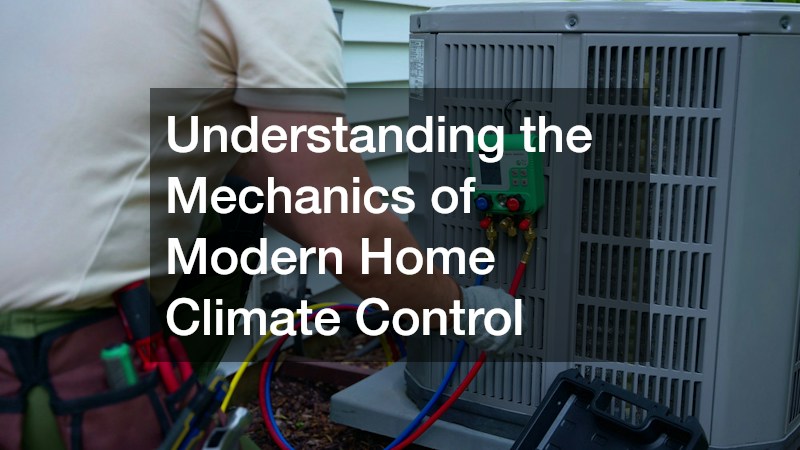
Indoor climate management relies heavily on thermodynamic principles to regulate temperatures and maintain acceptable air quality throughout a residential property. During warmer months, refrigerant flows continuously through a closed loop of copper or aluminum coils, absorbing excess heat from inside the structure and expelling it outdoors through a condenser unit. During colder months, heat pumps reverse this exact fluid flow, or combustion-based systems burn natural gas, propane, or fuel oil to generate thermal energy that is distributed via forced-air ductwork or hydronic piping loops.
Efficiency across both heating and cooling cycles relies on maintaining steady, uninhibited airflow and consistent thermal transfer at the coil surfaces. When dust, pollen, biological growth, or general mechanical wear interferes with these fundamental processes, system efficiency drops sharply and energy consumption rises. Homeowners who actively monitor their system performance, inspect air delivery points, and address minor mechanical irregularities early can avoid sudden catastrophic breakdowns, maintain healthier indoor air quality, and keep their monthly operational costs strictly manageable.
Establishing a Preventive Seasonal Maintenance Schedule
Preventive care forms the cornerstone of equipment longevity and operational reliability. Residential heating and cooling equipment operates under demanding environmental conditions, enduring extreme summer heat and harsh winter freezes. This continuous operational stress makes regular checkups essential for catching wear and tear long before it leads to total mechanical failure.
A robust seasonal maintenance schedule should align directly with the changing weather—evaluating heating assemblies before the first freeze of autumn and cooling components before the heat waves of early summer. Essential owner-level maintenance includes replacing standard air filters every one to three months, clearing vegetation, leaves, and outdoor debris from around exterior compressor pads, and ensuring that interior supply and return vents remain open and unobstructed by furniture or drapery. Taking these small, consistent steps prevents severe restrictions in system airflow, which remains one of the primary causes of mechanical strain, frozen evaporator coils, and premature compressor degradation.
Diagnostic Signs That Require Air Conditioner Repair
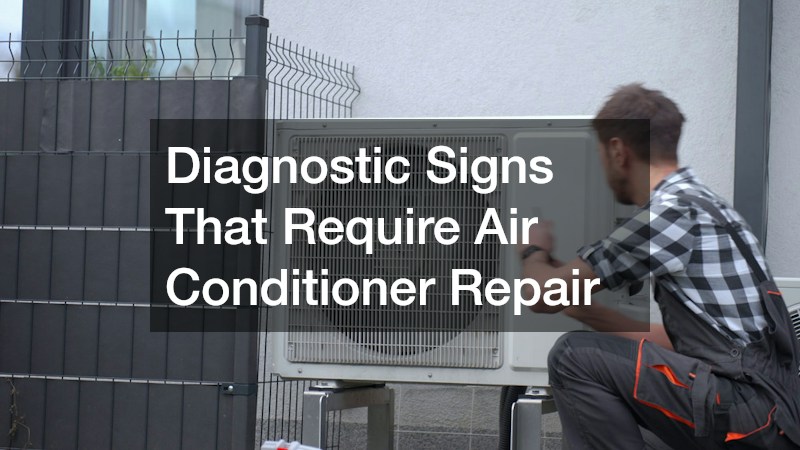
Even meticulously maintained mechanical systems occasionally experience electrical faults, component degradation, or fluid leaks over their operational life. Recognizing early symptoms of internal malfunction allows homeowners to seek professional attention before secondary, more expensive damage occurs throughout the system. Common warning signs of trouble include unexpected spikes in indoor humidity levels, weak or warm airflow emerging from supply registers, short cycling, and persistent unusual noises such as metallic grinding, squealing, or heavy electrical humming.
Ignoring these subtle initial indicators often triggers a ripple effect of mechanical strain across the entire cooling cycle. For instance, a restricted airflow issue caused by a dirty blower wheel or a clogged filter forces the blower motor to work harder, generating excess heat and pulling excess amperage. Similarly, operating a system with a slow refrigerant leak causes evaporator coils to drop below freezing, encasing the copper tubing in ice and restricting airflow even further, which ultimately risks sending liquid refrigerant back to damage the compressor.
When a central cooling unit runs continuously yet fails to bring indoor temperatures down to the set point on the thermostat, the underlying issue frequently stems from low refrigerant charges, failing electrical capacitors, or clogged condensate drain lines. Seeking prompt air conditioner repair at the very first sign of operational trouble prevents minor electrical or fluid delivery issues from cascading into severe compressor failure or costly water damage inside your home.
Maintaining Dependable Winter Warmth and Safety
Heating equipment demands rigorous safety precautions and attentive oversight due to the complex risks associated with fuel combustion, toxic carbon monoxide generation, high-voltage electrical loads, and high-pressure steam or water systems. Furnaces, heat pumps, and boilers work exhaustively throughout cold winter months to preserve safe interior temperatures, prevent indoor freeze hazards, and protect plumbing infrastructure from catastrophic burst pipes during severe cold snaps. Because these systems run almost continuously during peak winter conditions, even minor mechanical degradation or electrical fatigue can rapidly compromise both operating efficiency and overall household safety.
Beyond basic comfort concerns, heating systems present unique biological and environmental risks if neglected. Delayed ignition can cause fuel gas to accumulate inside the combustion chamber, resulting in loud booming sounds or damaging pressure shocks upon startup. Furthermore, hidden microscopic cracks in a heat exchanger allow toxic flue gases—including odorless, colorless carbon monoxide—to bleed directly into the indoor supply air stream distributed throughout your living spaces.
Uneven heating across different living zones, frequent cycling on and off, burner flame discoloration in gas appliances, or unusual acrid odors indicate noticeable operational inefficiencies or severe safety hazards. Booking a qualified furnace repair service ensures that electronic ignition assemblies, gas valves, burner jets, heat exchangers, and safety limit switches are thoroughly tested, cleaned, and calibrated. This targeted professional intervention protects household safety while optimizing fuel combustion efficiency during peak heating demands.
Partnering with Professional Local HV AC Services
While routine air filter replacements and basic exterior clearance are ideal DIY tasks for homeowners, intricate technical diagnostics, refrigerant handling, high-voltage electrical work, and duct balancing require specialized knowledge and calibrated diagnostic tools.
Relying on established local hvac services guarantees that your equipment is evaluated using professional manifold gauges, combustion analyzers, and digital airflow meters in full compliance with regional building codes and environmental regulations. Certified technicians can conduct deep static pressure testing, verify safety cutouts, measure motor amp draws, and adjust control boards to ensure that your heating and cooling equipment operates strictly within factory performance specifications year-round.
Knowing When Equipment Repair Gives Way to System Replacement
Every mechanical heating and cooling system eventually reaches a threshold where ongoing repairs and component replacements are no longer financially sensible or practical. Key variables such as total equipment age, frequency of mechanical breakdowns, steadily climbing utility bills, and the decreasing availability of legacy replacement parts all heavily influence the decision to stop repairing and start planning a full upgrade.
Additionally, as systems age, their mechanical tolerance degrades, causing them to consume far more energy just to deliver the same level of heating or cooling performance. Continuing to sink money into an outdated unit often acts as a band-aid, masking underlying structural decay such as rusting drain pans, degraded compressor windings, or thinning coil walls.
If an older cooling unit relies on obsolete refrigerants or requires recurring major component repairs that approach half the cost of a modern system, investing in an ac replacement is the far more economical long-term path. Upgrading to contemporary heating and cooling equipment featuring advanced seasonal energy efficiency ratings reduces seasonal power consumption considerably while delivering far superior temperature consistency, improved sound dampening, and advanced humidity control throughout the entire home.
Evaluating Modern High-Efficiency Cooling Technologies
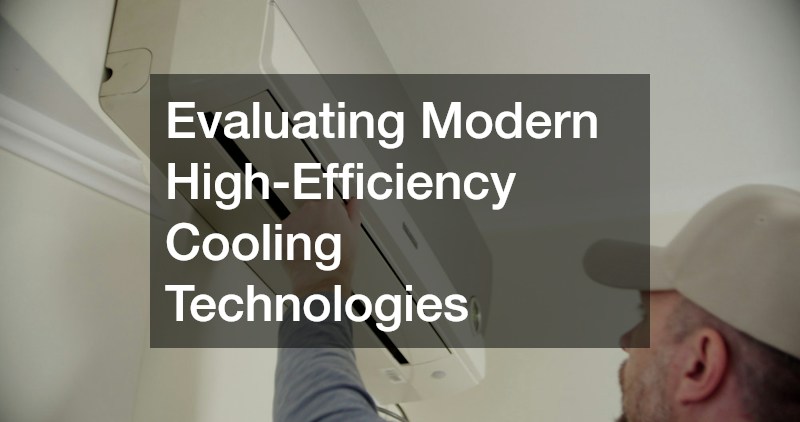
Homeowners evaluating system upgrades today have access to sophisticated equipment designed for exceptional efficiency, quiet performance, and custom temperature zoning. Modern variable-speed inverter compressors automatically adjust their output in tiny increments to match exact real-time thermal demands, eliminating the wasteful energy spikes associated with traditional single-stage systems turning on and off at full capacity.
Ductless equipment offers targeted zone control, allowing homeowners to precisely heat or cool individual rooms, garage conversions, or home additions without the massive expense and hassle of installing new ductwork. Finding a skilled mini split installer ensures that these specialized indoor air handlers and outdoor heat pump units are properly positioned, securely mounted, and accurately charged, delivering whisper-quiet operation and maximized energy savings to specific living spaces.
Selecting a Trustworthy Installation Company
The real-world energy performance, operational reliability, and lifespan of new climate control equipment depend just as much on the quality of the installation process as on the brand name printed on the cabinet. Improperly sized units, incorrect refrigerant levels, or compromised duct connections can instantly reduce a new system’s factory-rated efficiency by up to thirty percent.
Partnering with an experienced ac installation company ensures that formal load calculations, such as ACCA Manual J protocol, are conducted to determine the exact heating and cooling demands of your home based on square footage, insulation levels, window orientation, and local climate patterns. Professional installation guarantees correct airflow distribution, proper drain line pitching, leak-free refrigerant lines, and balanced ductwork, ensuring your substantial financial investment operates reliably for decades.
The Value of Comprehensive Routine Care
Comprehensive routine care goes far beyond a casual visual inspection; it involves a methodical, multi-point tune-up engineered to return mechanical equipment as close to original factory specifications as possible. During a routine maintenance visit, technical specialists thoroughly wash evaporator and condenser coils, test electrical connections, measure fan motor amperage, lubricate moving mechanical parts, and clear condensate drain lines to eliminate algae buildup and prevent indoor water overflow.
Scheduling an annual ac service prior to the onset of summer heat identifies hidden component wear, such as failing fan capacitors, worn contactor points, or minor refrigerant leaks, before they manifest as sudden system failures during extreme weather. Catching these subtle mechanical defects early maintains peak operational efficiency, keeps monthly utility bills low, and provides absolute peace of mind during seasonal temperature extremes.
Finding the Right Professional HVAC Contractor
Selecting the ideal service partner for your residential climate control system involves carefully checking credentials, licensing, liability insurance, trade certifications, and verified customer reviews. A superior technician does not merely perform rapid component swaps when things break down; they analyze your property’s entire thermal envelope and provide holistic recommendations to optimize comfort, air quality, and energy consumption.
Working alongside a reputable HVAC contractor offers total confidence that all mechanical work, structural duct modifications, electrical connections, and appliance installations strictly adhere to local building codes and manufacturer warranties. These experienced trade specialists can evaluate air distribution ductwork for hidden leakage, recommend advanced indoor air quality accessories like whole-home dehumidifiers or UV air purifiers, and properly integrate smart thermostats to maximize system convenience.
Navigating Full-Spectrum Climate Services for Long-Term Value
Achieving a truly comfortable, healthy, and energy-efficient home environment demands a comprehensive, full-spectrum approach to residential climate management. From basic seasonal filter changes and urgent mid-season repairs to complete equipment redesigns, duct sealing, and smart technology upgrades, every individual mechanical element must work in total harmony with your home’s structural design.
Beyond individual unit mechanics, long-term climate strategies must also account for overall home ventilation, humidity control, and air filtration. Integrated solutions such as whole-house dehumidifiers, energy recovery ventilators (ERVs), and advanced MERV-rated filtration systems work alongside your primary heating and cooling units to eliminate airborne allergens, suppress mold growth, and optimize indoor air quality. By addressing thermal comfort and indoor air purity simultaneously, homeowners create an environment that actively protects both family health and physical property value over time.
By partnering with top-tier HVAC companies that offer comprehensive preventive maintenance plans, emergency response capabilities, and transparent pricing structures, homeowners can fully protect their major household infrastructure investments. Ongoing professional care ensures your equipment operates cleanly, reduces your household’s overall carbon footprint, keeps utility expenses predictable, and guarantees that your living spaces remain a comfortable sanctuary regardless of weather conditions outside.
Maintaining a comfortable indoor environment requires a precise balance between consistent equipment upkeep, timely professional interventions, and informed decision-making regarding system upgrades. Modern home heating and cooling systems are intricate, interconnected networks designed to carefully manage temperature, airflow, and humidity across changing seasons. Understanding how these thermal systems operate and learning how to properly manage their operational demands ensures year-round efficiency, lowers monthly utility bills, and significantly extends the usable lifespan of your major household equipment.
Achieving lasting home comfort is not simply a matter of setting a thermostat and forgetting about the equipment tucked away in your basement, attic, or utility closet. It involves recognizing how individual mechanical components interact, identifying subtle warning signs of performance degradation, and knowing when to execute routine owner-level maintenance versus calling in certified technical expertise. Below is an in-depth, comprehensive breakdown of essential strategies, maintenance routines, diagnostic approaches, and professional services that every homeowner must understand to keep their home climate control operating at peak performance.
Furthermore, taking a proactive approach to home climate management provides significant financial and operational security over the life of your property. Neglecting minor mechanical symptoms often transforms simple, low-cost maintenance tasks into emergency component failures during peak seasonal temperature extremes. By staying informed on system care, recognizing efficiency losses early, and building a relationship with qualified trade professionals, you protect your household budget from unexpected emergency expenses while ensuring your living environment stays consistently safe, healthy, and comfortable year-round.
Understanding the Mechanics of Modern Home Climate Control
Indoor climate management relies heavily on thermodynamic principles to regulate temperatures and maintain acceptable air quality throughout a residential property. During warmer months, refrigerant flows continuously through a closed loop of copper or aluminum coils, absorbing excess heat from inside the structure and expelling it outdoors through a condenser unit. During colder months, heat pumps reverse this exact fluid flow, or combustion-based systems burn natural gas, propane, or fuel oil to generate thermal energy that is distributed via forced-air ductwork or hydronic piping loops.
Efficiency across both heating and cooling cycles relies on maintaining steady, uninhibited airflow and consistent thermal transfer at the coil surfaces. When dust, pollen, biological growth, or general mechanical wear interferes with these fundamental processes, system efficiency drops sharply and energy consumption rises. Homeowners who actively monitor their system performance, inspect air delivery points, and address minor mechanical irregularities early can avoid sudden catastrophic breakdowns, maintain healthier indoor air quality, and keep their monthly operational costs strictly manageable.
Establishing a Preventive Seasonal Maintenance Schedule
Preventive care forms the cornerstone of equipment longevity and operational reliability. Residential heating and cooling equipment operates under demanding environmental conditions, enduring extreme summer heat and harsh winter freezes. This continuous operational stress makes regular checkups essential for catching wear and tear long before it leads to total mechanical failure.
A robust seasonal maintenance schedule should align directly with the changing weather—evaluating heating assemblies before the first freeze of autumn and cooling components before the heat waves of early summer. Essential owner-level maintenance includes replacing standard air filters every one to three months, clearing vegetation, leaves, and outdoor debris from around exterior compressor pads, and ensuring that interior supply and return vents remain open and unobstructed by furniture or drapery. Taking these small, consistent steps prevents severe restrictions in system airflow, which remains one of the primary causes of mechanical strain, frozen evaporator coils, and premature compressor degradation.
Diagnostic Signs That Require Air Conditioner Repair
Even meticulously maintained mechanical systems occasionally experience electrical faults, component degradation, or fluid leaks over their operational life. Recognizing early symptoms of internal malfunction allows homeowners to seek professional attention before secondary, more expensive damage occurs throughout the system. Common warning signs of trouble include unexpected spikes in indoor humidity levels, weak or warm airflow emerging from supply registers, short cycling, and persistent unusual noises such as metallic grinding, squealing, or heavy electrical humming.
Ignoring these subtle initial indicators often triggers a ripple effect of mechanical strain across the entire cooling cycle. For instance, a restricted airflow issue caused by a dirty blower wheel or a clogged filter forces the blower motor to work harder, generating excess heat and pulling excess amperage. Similarly, operating a system with a slow refrigerant leak causes evaporator coils to drop below freezing, encasing the copper tubing in ice and restricting airflow even further, which ultimately risks sending liquid refrigerant back to damage the compressor.
When a central cooling unit runs continuously yet fails to bring indoor temperatures down to the set point on the thermostat, the underlying issue frequently stems from low refrigerant charges, failing electrical capacitors, or clogged condensate drain lines. Seeking prompt air conditioner repair at the very first sign of operational trouble prevents minor electrical or fluid delivery issues from cascading into severe compressor failure or costly water damage inside your home.
Maintaining Dependable Winter Warmth and Safety
Heating equipment demands rigorous safety precautions and attentive oversight due to the complex risks associated with fuel combustion, toxic carbon monoxide generation, high-voltage electrical loads, and high-pressure steam or water systems. Furnaces, heat pumps, and boilers work exhaustively throughout cold winter months to preserve safe interior temperatures, prevent indoor freeze hazards, and protect plumbing infrastructure from catastrophic burst pipes during severe cold snaps. Because these systems run almost continuously during peak winter conditions, even minor mechanical degradation or electrical fatigue can rapidly compromise both operating efficiency and overall household safety.
Beyond basic comfort concerns, heating systems present unique biological and environmental risks if neglected. Delayed ignition can cause fuel gas to accumulate inside the combustion chamber, resulting in loud booming sounds or damaging pressure shocks upon startup. Furthermore, hidden microscopic cracks in a heat exchanger allow toxic flue gases—including odorless, colorless carbon monoxide—to bleed directly into the indoor supply air stream distributed throughout your living spaces.
Uneven heating across different living zones, frequent cycling on and off, burner flame discoloration in gas appliances, or unusual acrid odors indicate noticeable operational inefficiencies or severe safety hazards. Booking a qualified furnace repair service ensures that electronic ignition assemblies, gas valves, burner jets, heat exchangers, and safety limit switches are thoroughly tested, cleaned, and calibrated. This targeted professional intervention protects household safety while optimizing fuel combustion efficiency during peak heating demands.
Partnering with Professional Local HV AC Services
While routine air filter replacements and basic exterior clearance are ideal DIY tasks for homeowners, intricate technical diagnostics, refrigerant handling, high-voltage electrical work, and duct balancing require specialized knowledge and calibrated diagnostic tools.
Relying on established local hvac services guarantees that your equipment is evaluated using professional manifold gauges, combustion analyzers, and digital airflow meters in full compliance with regional building codes and environmental regulations. Certified technicians can conduct deep static pressure testing, verify safety cutouts, measure motor amp draws, and adjust control boards to ensure that your heating and cooling equipment operates strictly within factory performance specifications year-round.
Knowing When Equipment Repair Gives Way to System Replacement
Every mechanical heating and cooling system eventually reaches a threshold where ongoing repairs and component replacements are no longer financially sensible or practical. Key variables such as total equipment age, frequency of mechanical breakdowns, steadily climbing utility bills, and the decreasing availability of legacy replacement parts all heavily influence the decision to stop repairing and start planning a full upgrade.
Additionally, as systems age, their mechanical tolerance degrades, causing them to consume far more energy just to deliver the same level of heating or cooling performance. Continuing to sink money into an outdated unit often acts as a band-aid, masking underlying structural decay such as rusting drain pans, degraded compressor windings, or thinning coil walls.
If an older cooling unit relies on obsolete refrigerants or requires recurring major component repairs that approach half the cost of a modern system, investing in an ac replacement is the far more economical long-term path. Upgrading to contemporary heating and cooling equipment featuring advanced seasonal energy efficiency ratings reduces seasonal power consumption considerably while delivering far superior temperature consistency, improved sound dampening, and advanced humidity control throughout the entire home.
Evaluating Modern High-Efficiency Cooling Technologies
Homeowners evaluating system upgrades today have access to sophisticated equipment designed for exceptional efficiency, quiet performance, and custom temperature zoning. Modern variable-speed inverter compressors automatically adjust their output in tiny increments to match exact real-time thermal demands, eliminating the wasteful energy spikes associated with traditional single-stage systems turning on and off at full capacity.
Ductless equipment offers targeted zone control, allowing homeowners to precisely heat or cool individual rooms, garage conversions, or home additions without the massive expense and hassle of installing new ductwork. Finding a skilled mini split installer ensures that these specialized indoor air handlers and outdoor heat pump units are properly positioned, securely mounted, and accurately charged, delivering whisper-quiet operation and maximized energy savings to specific living spaces.
Selecting a Trustworthy Installation Company
The real-world energy performance, operational reliability, and lifespan of new climate control equipment depend just as much on the quality of the installation process as on the brand name printed on the cabinet. Improperly sized units, incorrect refrigerant levels, or compromised duct connections can instantly reduce a new system’s factory-rated efficiency by up to thirty percent.
Partnering with an experienced ac installation company ensures that formal load calculations, such as ACCA Manual J protocol, are conducted to determine the exact heating and cooling demands of your home based on square footage, insulation levels, window orientation, and local climate patterns. Professional installation guarantees correct airflow distribution, proper drain line pitching, leak-free refrigerant lines, and balanced ductwork, ensuring your substantial financial investment operates reliably for decades.
The Value of Comprehensive Routine Care
Comprehensive routine care goes far beyond a casual visual inspection; it involves a methodical, multi-point tune-up engineered to return mechanical equipment as close to original factory specifications as possible. During a routine maintenance visit, technical specialists thoroughly wash evaporator and condenser coils, test electrical connections, measure fan motor amperage, lubricate moving mechanical parts, and clear condensate drain lines to eliminate algae buildup and prevent indoor water overflow.
Scheduling an annual ac service prior to the onset of summer heat identifies hidden component wear, such as failing fan capacitors, worn contactor points, or minor refrigerant leaks, before they manifest as sudden system failures during extreme weather. Catching these subtle mechanical defects early maintains peak operational efficiency, keeps monthly utility bills low, and provides absolute peace of mind during seasonal temperature extremes.
Finding the Right Professional HVAC Contractor
Selecting the ideal service partner for your residential climate control system involves carefully checking credentials, licensing, liability insurance, trade certifications, and verified customer reviews. A superior technician does not merely perform rapid component swaps when things break down; they analyze your property’s entire thermal envelope and provide holistic recommendations to optimize comfort, air quality, and energy consumption.
Working alongside a reputable HVAC contractor offers total confidence that all mechanical work, structural duct modifications, electrical connections, and appliance installations strictly adhere to local building codes and manufacturer warranties. These experienced trade specialists can evaluate air distribution ductwork for hidden leakage, recommend advanced indoor air quality accessories like whole-home dehumidifiers or UV air purifiers, and properly integrate smart thermostats to maximize system convenience.
Navigating Full-Spectrum Climate Services for Long-Term Value
Achieving a truly comfortable, healthy, and energy-efficient home environment demands a comprehensive, full-spectrum approach to residential climate management. From basic seasonal filter changes and urgent mid-season repairs to complete equipment redesigns, duct sealing, and smart technology upgrades, every individual mechanical element must work in total harmony with your home’s structural design.
Beyond individual unit mechanics, long-term climate strategies must also account for overall home ventilation, humidity control, and air filtration. Integrated solutions such as whole-house dehumidifiers, energy recovery ventilators (ERVs), and advanced MERV-rated filtration systems work alongside your primary heating and cooling units to eliminate airborne allergens, suppress mold growth, and optimize indoor air quality. By addressing thermal comfort and indoor air purity simultaneously, homeowners create an environment that actively protects both family health and physical property value over time.
By partnering with top-tier HVAC companies that offer comprehensive preventive maintenance plans, emergency response capabilities, and transparent pricing structures, homeowners can fully protect their major household infrastructure investments. Ongoing professional care ensures your equipment operates cleanly, reduces your household’s overall carbon footprint, keeps utility expenses predictable, and guarantees that your living spaces remain a comfortable sanctuary regardless of weather conditions outside.
Maintaining a comfortable indoor environment requires a precise balance between consistent equipment upkeep, timely professional interventions, and informed decision-making regarding system upgrades. Modern home heating and cooling systems are intricate, interconnected networks designed to carefully manage temperature, airflow, and humidity across changing seasons. Understanding how these thermal systems operate and learning how to properly manage their operational demands ensures year-round efficiency, lowers monthly utility bills, and significantly extends the usable lifespan of your major household equipment.
Achieving lasting home comfort is not simply a matter of setting a thermostat and forgetting about the equipment tucked away in your basement, attic, or utility closet. It involves recognizing how individual mechanical components interact, identifying subtle warning signs of performance degradation, and knowing when to execute routine owner-level maintenance versus calling in certified technical expertise. Below is an in-depth, comprehensive breakdown of essential strategies, maintenance routines, diagnostic approaches, and professional services that every homeowner must understand to keep their home climate control operating at peak performance.
Furthermore, taking a proactive approach to home climate management provides significant financial and operational security over the life of your property. Neglecting minor mechanical symptoms often transforms simple, low-cost maintenance tasks into emergency component failures during peak seasonal temperature extremes. By staying informed on system care, recognizing efficiency losses early, and building a relationship with qualified trade professionals, you protect your household budget from unexpected emergency expenses while ensuring your living environment stays consistently safe, healthy, and comfortable year-round.
Understanding the Mechanics of Modern Home Climate Control
Indoor climate management relies heavily on thermodynamic principles to regulate temperatures and maintain acceptable air quality throughout a residential property. During warmer months, refrigerant flows continuously through a closed loop of copper or aluminum coils, absorbing excess heat from inside the structure and expelling it outdoors through a condenser unit. During colder months, heat pumps reverse this exact fluid flow, or combustion-based systems burn natural gas, propane, or fuel oil to generate thermal energy that is distributed via forced-air ductwork or hydronic piping loops.
Efficiency across both heating and cooling cycles relies on maintaining steady, uninhibited airflow and consistent thermal transfer at the coil surfaces. When dust, pollen, biological growth, or general mechanical wear interferes with these fundamental processes, system efficiency drops sharply and energy consumption rises. Homeowners who actively monitor their system performance, inspect air delivery points, and address minor mechanical irregularities early can avoid sudden catastrophic breakdowns, maintain healthier indoor air quality, and keep their monthly operational costs strictly manageable.
Establishing a Preventive Seasonal Maintenance Schedule
Preventive care forms the cornerstone of equipment longevity and operational reliability. Residential heating and cooling equipment operates under demanding environmental conditions, enduring extreme summer heat and harsh winter freezes. This continuous operational stress makes regular checkups essential for catching wear and tear long before it leads to total mechanical failure.
A robust seasonal maintenance schedule should align directly with the changing weather—evaluating heating assemblies before the first freeze of autumn and cooling components before the heat waves of early summer. Essential owner-level maintenance includes replacing standard air filters every one to three months, clearing vegetation, leaves, and outdoor debris from around exterior compressor pads, and ensuring that interior supply and return vents remain open and unobstructed by furniture or drapery. Taking these small, consistent steps prevents severe restrictions in system airflow, which remains one of the primary causes of mechanical strain, frozen evaporator coils, and premature compressor degradation.
Diagnostic Signs That Require Air Conditioner Repair
Even meticulously maintained mechanical systems occasionally experience electrical faults, component degradation, or fluid leaks over their operational life. Recognizing early symptoms of internal malfunction allows homeowners to seek professional attention before secondary, more expensive damage occurs throughout the system. Common warning signs of trouble include unexpected spikes in indoor humidity levels, weak or warm airflow emerging from supply registers, short cycling, and persistent unusual noises such as metallic grinding, squealing, or heavy electrical humming.
Ignoring these subtle initial indicators often triggers a ripple effect of mechanical strain across the entire cooling cycle. For instance, a restricted airflow issue caused by a dirty blower wheel or a clogged filter forces the blower motor to work harder, generating excess heat and pulling excess amperage. Similarly, operating a system with a slow refrigerant leak causes evaporator coils to drop below freezing, encasing the copper tubing in ice and restricting airflow even further, which ultimately risks sending liquid refrigerant back to damage the compressor.
When a central cooling unit runs continuously yet fails to bring indoor temperatures down to the set point on the thermostat, the underlying issue frequently stems from low refrigerant charges, failing electrical capacitors, or clogged condensate drain lines. Seeking prompt air conditioner repair at the very first sign of operational trouble prevents minor electrical or fluid delivery issues from cascading into severe compressor failure or costly water damage inside your home.
Maintaining Dependable Winter Warmth and Safety
Heating equipment demands rigorous safety precautions and attentive oversight due to the complex risks associated with fuel combustion, toxic carbon monoxide generation, high-voltage electrical loads, and high-pressure steam or water systems. Furnaces, heat pumps, and boilers work exhaustively throughout cold winter months to preserve safe interior temperatures, prevent indoor freeze hazards, and protect plumbing infrastructure from catastrophic burst pipes during severe cold snaps. Because these systems run almost continuously during peak winter conditions, even minor mechanical degradation or electrical fatigue can rapidly compromise both operating efficiency and overall household safety.
Beyond basic comfort concerns, heating systems present unique biological and environmental risks if neglected. Delayed ignition can cause fuel gas to accumulate inside the combustion chamber, resulting in loud booming sounds or damaging pressure shocks upon startup. Furthermore, hidden microscopic cracks in a heat exchanger allow toxic flue gases—including odorless, colorless carbon monoxide—to bleed directly into the indoor supply air stream distributed throughout your living spaces.
Uneven heating across different living zones, frequent cycling on and off, burner flame discoloration in gas appliances, or unusual acrid odors indicate noticeable operational inefficiencies or severe safety hazards. Booking a qualified furnace repair service ensures that electronic ignition assemblies, gas valves, burner jets, heat exchangers, and safety limit switches are thoroughly tested, cleaned, and calibrated. This targeted professional intervention protects household safety while optimizing fuel combustion efficiency during peak heating demands.
Partnering with Professional Local HV AC Services
While routine air filter replacements and basic exterior clearance are ideal DIY tasks for homeowners, intricate technical diagnostics, refrigerant handling, high-voltage electrical work, and duct balancing require specialized knowledge and calibrated diagnostic tools.
Relying on established local hvac services guarantees that your equipment is evaluated using professional manifold gauges, combustion analyzers, and digital airflow meters in full compliance with regional building codes and environmental regulations. Certified technicians can conduct deep static pressure testing, verify safety cutouts, measure motor amp draws, and adjust control boards to ensure that your heating and cooling equipment operates strictly within factory performance specifications year-round.
Knowing When Equipment Repair Gives Way to System Replacement
Every mechanical heating and cooling system eventually reaches a threshold where ongoing repairs and component replacements are no longer financially sensible or practical. Key variables such as total equipment age, frequency of mechanical breakdowns, steadily climbing utility bills, and the decreasing availability of legacy replacement parts all heavily influence the decision to stop repairing and start planning a full upgrade.
Additionally, as systems age, their mechanical tolerance degrades, causing them to consume far more energy just to deliver the same level of heating or cooling performance. Continuing to sink money into an outdated unit often acts as a band-aid, masking underlying structural decay such as rusting drain pans, degraded compressor windings, or thinning coil walls.
If an older cooling unit relies on obsolete refrigerants or requires recurring major component repairs that approach half the cost of a modern system, investing in an ac replacement is the far more economical long-term path. Upgrading to contemporary heating and cooling equipment featuring advanced seasonal energy efficiency ratings reduces seasonal power consumption considerably while delivering far superior temperature consistency, improved sound dampening, and advanced humidity control throughout the entire home.
Evaluating Modern High-Efficiency Cooling Technologies
Homeowners evaluating system upgrades today have access to sophisticated equipment designed for exceptional efficiency, quiet performance, and custom temperature zoning. Modern variable-speed inverter compressors automatically adjust their output in tiny increments to match exact real-time thermal demands, eliminating the wasteful energy spikes associated with traditional single-stage systems turning on and off at full capacity.
Ductless equipment offers targeted zone control, allowing homeowners to precisely heat or cool individual rooms, garage conversions, or home additions without the massive expense and hassle of installing new ductwork. Finding a skilled mini split installer ensures that these specialized indoor air handlers and outdoor heat pump units are properly positioned, securely mounted, and accurately charged, delivering whisper-quiet operation and maximized energy savings to specific living spaces.
Selecting a Trustworthy Installation Company
The real-world energy performance, operational reliability, and lifespan of new climate control equipment depend just as much on the quality of the installation process as on the brand name printed on the cabinet. Improperly sized units, incorrect refrigerant levels, or compromised duct connections can instantly reduce a new system’s factory-rated efficiency by up to thirty percent.
Partnering with an experienced ac installation company ensures that formal load calculations, such as ACCA Manual J protocol, are conducted to determine the exact heating and cooling demands of your home based on square footage, insulation levels, window orientation, and local climate patterns. Professional installation guarantees correct airflow distribution, proper drain line pitching, leak-free refrigerant lines, and balanced ductwork, ensuring your substantial financial investment operates reliably for decades.
The Value of Comprehensive Routine Care
Comprehensive routine care goes far beyond a casual visual inspection; it involves a methodical, multi-point tune-up engineered to return mechanical equipment as close to original factory specifications as possible. During a routine maintenance visit, technical specialists thoroughly wash evaporator and condenser coils, test electrical connections, measure fan motor amperage, lubricate moving mechanical parts, and clear condensate drain lines to eliminate algae buildup and prevent indoor water overflow.
Scheduling an annual ac service prior to the onset of summer heat identifies hidden component wear, such as failing fan capacitors, worn contactor points, or minor refrigerant leaks, before they manifest as sudden system failures during extreme weather. Catching these subtle mechanical defects early maintains peak operational efficiency, keeps monthly utility bills low, and provides absolute peace of mind during seasonal temperature extremes.
Finding the Right Professional HVAC Contractor
Selecting the ideal service partner for your residential climate control system involves carefully checking credentials, licensing, liability insurance, trade certifications, and verified customer reviews. A superior technician does not merely perform rapid component swaps when things break down; they analyze your property’s entire thermal envelope and provide holistic recommendations to optimize comfort, air quality, and energy consumption.
Working alongside a reputable HVAC contractor offers total confidence that all mechanical work, structural duct modifications, electrical connections, and appliance installations strictly adhere to local building codes and manufacturer warranties. These experienced trade specialists can evaluate air distribution ductwork for hidden leakage, recommend advanced indoor air quality accessories like whole-home dehumidifiers or UV air purifiers, and properly integrate smart thermostats to maximize system convenience.
Navigating Full-Spectrum Climate Services for Long-Term Value
Achieving a truly comfortable, healthy, and energy-efficient home environment demands a comprehensive, full-spectrum approach to residential climate management. From basic seasonal filter changes and urgent mid-season repairs to complete equipment redesigns, duct sealing, and smart technology upgrades, every individual mechanical element must work in total harmony with your home’s structural design.
Beyond individual unit mechanics, long-term climate strategies must also account for overall home ventilation, humidity control, and air filtration. Integrated solutions such as whole-house dehumidifiers, energy recovery ventilators (ERVs), and advanced MERV-rated filtration systems work alongside your primary heating and cooling units to eliminate airborne allergens, suppress mold growth, and optimize indoor air quality. By addressing thermal comfort and indoor air purity simultaneously, homeowners create an environment that actively protects both family health and physical property value over time.
By partnering with top-tier HVAC companies that offer comprehensive preventive maintenance plans, emergency response capabilities, and transparent pricing structures, homeowners can fully protect their major household infrastructure investments. Ongoing professional care ensures your equipment operates cleanly, reduces your household’s overall carbon footprint, keeps utility expenses predictable, and guarantees that your living spaces remain a comfortable sanctuary regardless of weather conditions outside.
Maintaining a comfortable indoor environment requires a precise balance between consistent equipment upkeep, timely professional interventions, and informed decision-making regarding system upgrades. Modern home heating and cooling systems are intricate, interconnected networks designed to carefully manage temperature, airflow, and humidity across changing seasons. Understanding how these thermal systems operate and learning how to properly manage their operational demands ensures year-round efficiency, lowers monthly utility bills, and significantly extends the usable lifespan of your major household equipment.
Achieving lasting home comfort is not simply a matter of setting a thermostat and forgetting about the equipment tucked away in your basement, attic, or utility closet. It involves recognizing how individual mechanical components interact, identifying subtle warning signs of performance degradation, and knowing when to execute routine owner-level maintenance versus calling in certified technical expertise. Below is an in-depth, comprehensive breakdown of essential strategies, maintenance routines, diagnostic approaches, and professional services that every homeowner must understand to keep their home climate control operating at peak performance.
Furthermore, taking a proactive approach to home climate management provides significant financial and operational security over the life of your property. Neglecting minor mechanical symptoms often transforms simple, low-cost maintenance tasks into emergency component failures during peak seasonal temperature extremes. By staying informed on system care, recognizing efficiency losses early, and building a relationship with qualified trade professionals, you protect your household budget from unexpected emergency expenses while ensuring your living environment stays consistently safe, healthy, and comfortable year-round.
Understanding the Mechanics of Modern Home Climate Control
Indoor climate management relies heavily on thermodynamic principles to regulate temperatures and maintain acceptable air quality throughout a residential property. During warmer months, refrigerant flows continuously through a closed loop of copper or aluminum coils, absorbing excess heat from inside the structure and expelling it outdoors through a condenser unit. During colder months, heat pumps reverse this exact fluid flow, or combustion-based systems burn natural gas, propane, or fuel oil to generate thermal energy that is distributed via forced-air ductwork or hydronic piping loops.
Efficiency across both heating and cooling cycles relies on maintaining steady, uninhibited airflow and consistent thermal transfer at the coil surfaces. When dust, pollen, biological growth, or general mechanical wear interferes with these fundamental processes, system efficiency drops sharply and energy consumption rises. Homeowners who actively monitor their system performance, inspect air delivery points, and address minor mechanical irregularities early can avoid sudden catastrophic breakdowns, maintain healthier indoor air quality, and keep their monthly operational costs strictly manageable.
Establishing a Preventive Seasonal Maintenance Schedule
Preventive care forms the cornerstone of equipment longevity and operational reliability. Residential heating and cooling equipment operates under demanding environmental conditions, enduring extreme summer heat and harsh winter freezes. This continuous operational stress makes regular checkups essential for catching wear and tear long before it leads to total mechanical failure.
A robust seasonal maintenance schedule should align directly with the changing weather—evaluating heating assemblies before the first freeze of autumn and cooling components before the heat waves of early summer. Essential owner-level maintenance includes replacing standard air filters every one to three months, clearing vegetation, leaves, and outdoor debris from around exterior compressor pads, and ensuring that interior supply and return vents remain open and unobstructed by furniture or drapery. Taking these small, consistent steps prevents severe restrictions in system airflow, which remains one of the primary causes of mechanical strain, frozen evaporator coils, and premature compressor degradation.
Diagnostic Signs That Require Air Conditioner Repair
Even meticulously maintained mechanical systems occasionally experience electrical faults, component degradation, or fluid leaks over their operational life. Recognizing early symptoms of internal malfunction allows homeowners to seek professional attention before secondary, more expensive damage occurs throughout the system. Common warning signs of trouble include unexpected spikes in indoor humidity levels, weak or warm airflow emerging from supply registers, short cycling, and persistent unusual noises such as metallic grinding, squealing, or heavy electrical humming.
Ignoring these subtle initial indicators often triggers a ripple effect of mechanical strain across the entire cooling cycle. For instance, a restricted airflow issue caused by a dirty blower wheel or a clogged filter forces the blower motor to work harder, generating excess heat and pulling excess amperage. Similarly, operating a system with a slow refrigerant leak causes evaporator coils to drop below freezing, encasing the copper tubing in ice and restricting airflow even further, which ultimately risks sending liquid refrigerant back to damage the compressor.
When a central cooling unit runs continuously yet fails to bring indoor temperatures down to the set point on the thermostat, the underlying issue frequently stems from low refrigerant charges, failing electrical capacitors, or clogged condensate drain lines. Seeking prompt air conditioner repair at the very first sign of operational trouble prevents minor electrical or fluid delivery issues from cascading into severe compressor failure or costly water damage inside your home.
Maintaining Dependable Winter Warmth and Safety
Heating equipment demands rigorous safety precautions and attentive oversight due to the complex risks associated with fuel combustion, toxic carbon monoxide generation, high-voltage electrical loads, and high-pressure steam or water systems. Furnaces, heat pumps, and boilers work exhaustively throughout cold winter months to preserve safe interior temperatures, prevent indoor freeze hazards, and protect plumbing infrastructure from catastrophic burst pipes during severe cold snaps. Because these systems run almost continuously during peak winter conditions, even minor mechanical degradation or electrical fatigue can rapidly compromise both operating efficiency and overall household safety.
Beyond basic comfort concerns, heating systems present unique biological and environmental risks if neglected. Delayed ignition can cause fuel gas to accumulate inside the combustion chamber, resulting in loud booming sounds or damaging pressure shocks upon startup. Furthermore, hidden microscopic cracks in a heat exchanger allow toxic flue gases—including odorless, colorless carbon monoxide—to bleed directly into the indoor supply air stream distributed throughout your living spaces.
Uneven heating across different living zones, frequent cycling on and off, burner flame discoloration in gas appliances, or unusual acrid odors indicate noticeable operational inefficiencies or severe safety hazards. Booking a qualified furnace repair service ensures that electronic ignition assemblies, gas valves, burner jets, heat exchangers, and safety limit switches are thoroughly tested, cleaned, and calibrated. This targeted professional intervention protects household safety while optimizing fuel combustion efficiency during peak heating demands.
Partnering with Professional Local HV AC Services
While routine air filter replacements and basic exterior clearance are ideal DIY tasks for homeowners, intricate technical diagnostics, refrigerant handling, high-voltage electrical work, and duct balancing require specialized knowledge and calibrated diagnostic tools.
Relying on established local hvac services guarantees that your equipment is evaluated using professional manifold gauges, combustion analyzers, and digital airflow meters in full compliance with regional building codes and environmental regulations. Certified technicians can conduct deep static pressure testing, verify safety cutouts, measure motor amp draws, and adjust control boards to ensure that your heating and cooling equipment operates strictly within factory performance specifications year-round.
Knowing When Equipment Repair Gives Way to System Replacement
Every mechanical heating and cooling system eventually reaches a threshold where ongoing repairs and component replacements are no longer financially sensible or practical. Key variables such as total equipment age, frequency of mechanical breakdowns, steadily climbing utility bills, and the decreasing availability of legacy replacement parts all heavily influence the decision to stop repairing and start planning a full upgrade.
Additionally, as systems age, their mechanical tolerance degrades, causing them to consume far more energy just to deliver the same level of heating or cooling performance. Continuing to sink money into an outdated unit often acts as a band-aid, masking underlying structural decay such as rusting drain pans, degraded compressor windings, or thinning coil walls.
If an older cooling unit relies on obsolete refrigerants or requires recurring major component repairs that approach half the cost of a modern system, investing in an ac replacement is the far more economical long-term path. Upgrading to contemporary heating and cooling equipment featuring advanced seasonal energy efficiency ratings reduces seasonal power consumption considerably while delivering far superior temperature consistency, improved sound dampening, and advanced humidity control throughout the entire home.
Evaluating Modern High-Efficiency Cooling Technologies
Homeowners evaluating system upgrades today have access to sophisticated equipment designed for exceptional efficiency, quiet performance, and custom temperature zoning. Modern variable-speed inverter compressors automatically adjust their output in tiny increments to match exact real-time thermal demands, eliminating the wasteful energy spikes associated with traditional single-stage systems turning on and off at full capacity.
Ductless equipment offers targeted zone control, allowing homeowners to precisely heat or cool individual rooms, garage conversions, or home additions without the massive expense and hassle of installing new ductwork. Finding a skilled mini split installer ensures that these specialized indoor air handlers and outdoor heat pump units are properly positioned, securely mounted, and accurately charged, delivering whisper-quiet operation and maximized energy savings to specific living spaces.
Selecting a Trustworthy Installation Company
The real-world energy performance, operational reliability, and lifespan of new climate control equipment depend just as much on the quality of the installation process as on the brand name printed on the cabinet. Improperly sized units, incorrect refrigerant levels, or compromised duct connections can instantly reduce a new system’s factory-rated efficiency by up to thirty percent.
Partnering with an experienced ac installation company ensures that formal load calculations, such as ACCA Manual J protocol, are conducted to determine the exact heating and cooling demands of your home based on square footage, insulation levels, window orientation, and local climate patterns. Professional installation guarantees correct airflow distribution, proper drain line pitching, leak-free refrigerant lines, and balanced ductwork, ensuring your substantial financial investment operates reliably for decades.
The Value of Comprehensive Routine Care
Comprehensive routine care goes far beyond a casual visual inspection; it involves a methodical, multi-point tune-up engineered to return mechanical equipment as close to original factory specifications as possible. During a routine maintenance visit, technical specialists thoroughly wash evaporator and condenser coils, test electrical connections, measure fan motor amperage, lubricate moving mechanical parts, and clear condensate drain lines to eliminate algae buildup and prevent indoor water overflow.
Scheduling an annual ac service prior to the onset of summer heat identifies hidden component wear, such as failing fan capacitors, worn contactor points, or minor refrigerant leaks, before they manifest as sudden system failures during extreme weather. Catching these subtle mechanical defects early maintains peak operational efficiency, keeps monthly utility bills low, and provides absolute peace of mind during seasonal temperature extremes.
Finding the Right Professional HVAC Contractor
Selecting the ideal service partner for your residential climate control system involves carefully checking credentials, licensing, liability insurance, trade certifications, and verified customer reviews. A superior technician does not merely perform rapid component swaps when things break down; they analyze your property’s entire thermal envelope and provide holistic recommendations to optimize comfort, air quality, and energy consumption.
Working alongside a reputable HVAC contractor offers total confidence that all mechanical work, structural duct modifications, electrical connections, and appliance installations strictly adhere to local building codes and manufacturer warranties. These experienced trade specialists can evaluate air distribution ductwork for hidden leakage, recommend advanced indoor air quality accessories like whole-home dehumidifiers or UV air purifiers, and properly integrate smart thermostats to maximize system convenience.
Navigating Full-Spectrum Climate Services for Long-Term Value
Achieving a truly comfortable, healthy, and energy-efficient home environment demands a comprehensive, full-spectrum approach to residential climate management. From basic seasonal filter changes and urgent mid-season repairs to complete equipment redesigns, duct sealing, and smart technology upgrades, every individual mechanical element must work in total harmony with your home’s structural design.
Beyond individual unit mechanics, long-term climate strategies must also account for overall home ventilation, humidity control, and air filtration. Integrated solutions such as whole-house dehumidifiers, energy recovery ventilators (ERVs), and advanced MERV-rated filtration systems work alongside your primary heating and cooling units to eliminate airborne allergens, suppress mold growth, and optimize indoor air quality. By addressing thermal comfort and indoor air purity simultaneously, homeowners create an environment that actively protects both family health and physical property value over time.
By partnering with top-tier HVAC companies that offer comprehensive preventive maintenance plans, emergency response capabilities, and transparent pricing structures, homeowners can fully protect their major household infrastructure investments. Ongoing professional care ensures your equipment operates cleanly, reduces your household’s overall carbon footprint, keeps utility expenses predictable, and guarantees that your living spaces remain a comfortable sanctuary regardless of weather conditions outside.
Maintaining a comfortable indoor environment requires a precise balance between consistent equipment upkeep, timely professional interventions, and informed decision-making regarding system upgrades. Modern home heating and cooling systems are intricate, interconnected networks designed to carefully manage temperature, airflow, and humidity across changing seasons. Understanding how these thermal systems operate and learning how to properly manage their operational demands ensures year-round efficiency, lowers monthly utility bills, and significantly extends the usable lifespan of your major household equipment.
Achieving lasting home comfort is not simply a matter of setting a thermostat and forgetting about the equipment tucked away in your basement, attic, or utility closet. It involves recognizing how individual mechanical components interact, identifying subtle warning signs of performance degradation, and knowing when to execute routine owner-level maintenance versus calling in certified technical expertise. Below is an in-depth, comprehensive breakdown of essential strategies, maintenance routines, diagnostic approaches, and professional services that every homeowner must understand to keep their home climate control operating at peak performance.
Furthermore, taking a proactive approach to home climate management provides significant financial and operational security over the life of your property. Neglecting minor mechanical symptoms often transforms simple, low-cost maintenance tasks into emergency component failures during peak seasonal temperature extremes. By staying informed on system care, recognizing efficiency losses early, and building a relationship with qualified trade professionals, you protect your household budget from unexpected emergency expenses while ensuring your living environment stays consistently safe, healthy, and comfortable year-round.
Understanding the Mechanics of Modern Home Climate Control
Indoor climate management relies heavily on thermodynamic principles to regulate temperatures and maintain acceptable air quality throughout a residential property. During warmer months, refrigerant flows continuously through a closed loop of copper or aluminum coils, absorbing excess heat from inside the structure and expelling it outdoors through a condenser unit. During colder months, heat pumps reverse this exact fluid flow, or combustion-based systems burn natural gas, propane, or fuel oil to generate thermal energy that is distributed via forced-air ductwork or hydronic piping loops.
Efficiency across both heating and cooling cycles relies on maintaining steady, uninhibited airflow and consistent thermal transfer at the coil surfaces. When dust, pollen, biological growth, or general mechanical wear interferes with these fundamental processes, system efficiency drops sharply and energy consumption rises. Homeowners who actively monitor their system performance, inspect air delivery points, and address minor mechanical irregularities early can avoid sudden catastrophic breakdowns, maintain healthier indoor air quality, and keep their monthly operational costs strictly manageable.
Establishing a Preventive Seasonal Maintenance Schedule
Preventive care forms the cornerstone of equipment longevity and operational reliability. Residential heating and cooling equipment operates under demanding environmental conditions, enduring extreme summer heat and harsh winter freezes. This continuous operational stress makes regular checkups essential for catching wear and tear long before it leads to total mechanical failure.
A robust seasonal maintenance schedule should align directly with the changing weather—evaluating heating assemblies before the first freeze of autumn and cooling components before the heat waves of early summer. Essential owner-level maintenance includes replacing standard air filters every one to three months, clearing vegetation, leaves, and outdoor debris from around exterior compressor pads, and ensuring that interior supply and return vents remain open and unobstructed by furniture or drapery. Taking these small, consistent steps prevents severe restrictions in system airflow, which remains one of the primary causes of mechanical strain, frozen evaporator coils, and premature compressor degradation.
Diagnostic Signs That Require Air Conditioner Repair
Even meticulously maintained mechanical systems occasionally experience electrical faults, component degradation, or fluid leaks over their operational life. Recognizing early symptoms of internal malfunction allows homeowners to seek professional attention before secondary, more expensive damage occurs throughout the system. Common warning signs of trouble include unexpected spikes in indoor humidity levels, weak or warm airflow emerging from supply registers, short cycling, and persistent unusual noises such as metallic grinding, squealing, or heavy electrical humming.
Ignoring these subtle initial indicators often triggers a ripple effect of mechanical strain across the entire cooling cycle. For instance, a restricted airflow issue caused by a dirty blower wheel or a clogged filter forces the blower motor to work harder, generating excess heat and pulling excess amperage. Similarly, operating a system with a slow refrigerant leak causes evaporator coils to drop below freezing, encasing the copper tubing in ice and restricting airflow even further, which ultimately risks sending liquid refrigerant back to damage the compressor.
When a central cooling unit runs continuously yet fails to bring indoor temperatures down to the set point on the thermostat, the underlying issue frequently stems from low refrigerant charges, failing electrical capacitors, or clogged condensate drain lines. Seeking prompt air conditioner repair at the very first sign of operational trouble prevents minor electrical or fluid delivery issues from cascading into severe compressor failure or costly water damage inside your home.
Maintaining Dependable Winter Warmth and Safety
Heating equipment demands rigorous safety precautions and attentive oversight due to the complex risks associated with fuel combustion, toxic carbon monoxide generation, high-voltage electrical loads, and high-pressure steam or water systems. Furnaces, heat pumps, and boilers work exhaustively throughout cold winter months to preserve safe interior temperatures, prevent indoor freeze hazards, and protect plumbing infrastructure from catastrophic burst pipes during severe cold snaps. Because these systems run almost continuously during peak winter conditions, even minor mechanical degradation or electrical fatigue can rapidly compromise both operating efficiency and overall household safety.
Beyond basic comfort concerns, heating systems present unique biological and environmental risks if neglected. Delayed ignition can cause fuel gas to accumulate inside the combustion chamber, resulting in loud booming sounds or damaging pressure shocks upon startup. Furthermore, hidden microscopic cracks in a heat exchanger allow toxic flue gases—including odorless, colorless carbon monoxide—to bleed directly into the indoor supply air stream distributed throughout your living spaces.
Uneven heating across different living zones, frequent cycling on and off, burner flame discoloration in gas appliances, or unusual acrid odors indicate noticeable operational inefficiencies or severe safety hazards. Booking a qualified furnace repair service ensures that electronic ignition assemblies, gas valves, burner jets, heat exchangers, and safety limit switches are thoroughly tested, cleaned, and calibrated. This targeted professional intervention protects household safety while optimizing fuel combustion efficiency during peak heating demands.
Partnering with Professional Local HV AC Services
While routine air filter replacements and basic exterior clearance are ideal DIY tasks for homeowners, intricate technical diagnostics, refrigerant handling, high-voltage electrical work, and duct balancing require specialized knowledge and calibrated diagnostic tools.
Relying on established local hvac services guarantees that your equipment is evaluated using professional manifold gauges, combustion analyzers, and digital airflow meters in full compliance with regional building codes and environmental regulations. Certified technicians can conduct deep static pressure testing, verify safety cutouts, measure motor amp draws, and adjust control boards to ensure that your heating and cooling equipment operates strictly within factory performance specifications year-round.
Knowing When Equipment Repair Gives Way to System Replacement
Every mechanical heating and cooling system eventually reaches a threshold where ongoing repairs and component replacements are no longer financially sensible or practical. Key variables such as total equipment age, frequency of mechanical breakdowns, steadily climbing utility bills, and the decreasing availability of legacy replacement parts all heavily influence the decision to stop repairing and start planning a full upgrade.
Additionally, as systems age, their mechanical tolerance degrades, causing them to consume far more energy just to deliver the same level of heating or cooling performance. Continuing to sink money into an outdated unit often acts as a band-aid, masking underlying structural decay such as rusting drain pans, degraded compressor windings, or thinning coil walls.
If an older cooling unit relies on obsolete refrigerants or requires recurring major component repairs that approach half the cost of a modern system, investing in an ac replacement is the far more economical long-term path. Upgrading to contemporary heating and cooling equipment featuring advanced seasonal energy efficiency ratings reduces seasonal power consumption considerably while delivering far superior temperature consistency, improved sound dampening, and advanced humidity control throughout the entire home.
Evaluating Modern High-Efficiency Cooling Technologies
Homeowners evaluating system upgrades today have access to sophisticated equipment designed for exceptional efficiency, quiet performance, and custom temperature zoning. Modern variable-speed inverter compressors automatically adjust their output in tiny increments to match exact real-time thermal demands, eliminating the wasteful energy spikes associated with traditional single-stage systems turning on and off at full capacity.
Ductless equipment offers targeted zone control, allowing homeowners to precisely heat or cool individual rooms, garage conversions, or home additions without the massive expense and hassle of installing new ductwork. Finding a skilled mini split installer ensures that these specialized indoor air handlers and outdoor heat pump units are properly positioned, securely mounted, and accurately charged, delivering whisper-quiet operation and maximized energy savings to specific living spaces.
Selecting a Trustworthy Installation Company
The real-world energy performance, operational reliability, and lifespan of new climate control equipment depend just as much on the quality of the installation process as on the brand name printed on the cabinet. Improperly sized units, incorrect refrigerant levels, or compromised duct connections can instantly reduce a new system’s factory-rated efficiency by up to thirty percent.
Partnering with an experienced ac installation company ensures that formal load calculations, such as ACCA Manual J protocol, are conducted to determine the exact heating and cooling demands of your home based on square footage, insulation levels, window orientation, and local climate patterns. Professional installation guarantees correct airflow distribution, proper drain line pitching, leak-free refrigerant lines, and balanced ductwork, ensuring your substantial financial investment operates reliably for decades.
The Value of Comprehensive Routine Care
Comprehensive routine care goes far beyond a casual visual inspection; it involves a methodical, multi-point tune-up engineered to return mechanical equipment as close to original factory specifications as possible. During a routine maintenance visit, technical specialists thoroughly wash evaporator and condenser coils, test electrical connections, measure fan motor amperage, lubricate moving mechanical parts, and clear condensate drain lines to eliminate algae buildup and prevent indoor water overflow.
Scheduling an annual ac service prior to the onset of summer heat identifies hidden component wear, such as failing fan capacitors, worn contactor points, or minor refrigerant leaks, before they manifest as sudden system failures during extreme weather. Catching these subtle mechanical defects early maintains peak operational efficiency, keeps monthly utility bills low, and provides absolute peace of mind during seasonal temperature extremes.
Finding the Right Professional HVAC Contractor
Selecting the ideal service partner for your residential climate control system involves carefully checking credentials, licensing, liability insurance, trade certifications, and verified customer reviews. A superior technician does not merely perform rapid component swaps when things break down; they analyze your property’s entire thermal envelope and provide holistic recommendations to optimize comfort, air quality, and energy consumption.
Working alongside a reputable HVAC contractor offers total confidence that all mechanical work, structural duct modifications, electrical connections, and appliance installations strictly adhere to local building codes and manufacturer warranties. These experienced trade specialists can evaluate air distribution ductwork for hidden leakage, recommend advanced indoor air quality accessories like whole-home dehumidifiers or UV air purifiers, and properly integrate smart thermostats to maximize system convenience.
Navigating Full-Spectrum Climate Services for Long-Term Value
Achieving a truly comfortable, healthy, and energy-efficient home environment demands a comprehensive, full-spectrum approach to residential climate management. From basic seasonal filter changes and urgent mid-season repairs to complete equipment redesigns, duct sealing, and smart technology upgrades, every individual mechanical element must work in total harmony with your home’s structural design.
Beyond individual unit mechanics, long-term climate strategies must also account for overall home ventilation, humidity control, and air filtration. Integrated solutions such as whole-house dehumidifiers, energy recovery ventilators (ERVs), and advanced MERV-rated filtration systems work alongside your primary heating and cooling units to eliminate airborne allergens, suppress mold growth, and optimize indoor air quality. By addressing thermal comfort and indoor air purity simultaneously, homeowners create an environment that actively protects both family health and physical property value over time.
By partnering with top-tier HVAC companies that offer comprehensive preventive maintenance plans, emergency response capabilities, and transparent pricing structures, homeowners can fully protect their major household infrastructure investments. Ongoing professional care ensures your equipment operates cleanly, reduces your household’s overall carbon footprint, keeps utility expenses predictable, and guarantees that your living spaces remain a comfortable sanctuary regardless of weather conditions outside.