
Outdoor Living Upgrades That Boost Daily Comfort at Home
After a long day, your outdoor space should feel like an extension of your home, not an afterthought you forget to maintain. Small, strategic upgrades can turn a patio or backyard into a place you actually use every day, rather than just a spot you glance at through the window. The good news is that comfort-focused improvements do not have to mean a complete backyard overhaul. With a few targeted projects and some routine maintenance, you can create an outdoor living area that feels as functional and welcoming as any room inside your house.
Refresh Your Deck Surface for Year-Round Use
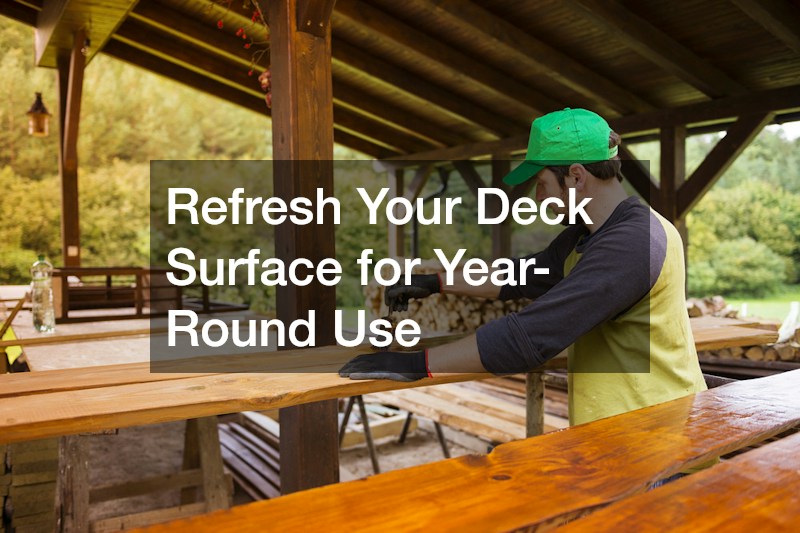
A worn, splintering deck discourages people from stepping outside, even when the weather is perfect. Over time, sun exposure, moisture, and foot traffic wear down boards, fasteners, and railings, making the space feel unsafe or unattractive. Investing in deck restoration can bring faded wood back to life, repair structural weak points, and extend the usable lifespan of your outdoor flooring by years. Many homeowners are surprised at how much a thorough cleaning, sanding, and resealing can change the overall feel of a backyard.
Beyond cosmetic improvements, restoring a deck also addresses safety issues that are easy to overlook, like loose boards or weakened support beams. A professional assessment can catch problems before they become expensive repairs or liability concerns.
- Power washing removes mildew, algae, and years of grime buildup
- Sanding smooths rough or splintered boards for safer bare feet
- Fresh stain or sealant protects wood from UV damage and moisture
- Hardware inspection catches loose railings or unstable steps early
Choose Durable Materials for New Decking Projects
If your existing deck is beyond saving, replacing it gives you a chance to choose materials built for long-term comfort and low maintenance. Composite metal decking has become a popular alternative to traditional wood because it resists warping, rotting, and insect damage while requiring far less upkeep. Homeowners in humid or coastal climates especially appreciate how well these materials hold up against moisture and temperature swings. While the upfront cost can be higher than wood, many people find the reduced maintenance and longer lifespan worth the investment.
- Resistant to rot, mold, and insect infestation
- Does not require annual staining or sealing
- Holds up well in extreme heat, cold, or coastal humidity
- Available in a range of colors and finishes to match home style
Add Shade Structures That Adapt to the Weather

Sun exposure is one of the biggest reasons people avoid their patios during peak afternoon hours. A fixed umbrella or awning offers some relief, but it rarely adjusts well to changing weather throughout the day. Louvered pergolas solve this problem by allowing homeowners to angle the slats, controlling how much sun or shade filters through at any given time. Many models can also close completely during light rain, letting you stay outside a little longer before heading in.
These structures work well over dining areas, lounge spaces, or outdoor kitchens where comfort depends on temperature control. Because they are adjustable, a single structure can serve multiple purposes throughout the year, from blocking harsh summer sun to allowing warm winter light through bare slats.
- Adjustable slats control sunlight and airflow on demand
- Some models include built-in rain sensors or motorized controls
- Works well over seating areas, kitchens, and hot tubs
- Reduces surface heat buildup on nearby furniture and flooring
Keep Your Outdoor Kitchen Running Smoothly
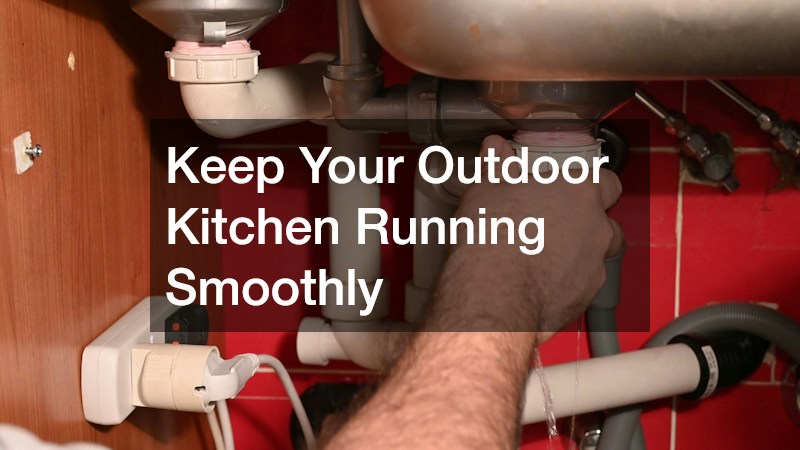
Outdoor kitchens have become a major comfort upgrade for families who entertain or simply enjoy cooking outside. But like any kitchen, they need proper planning around plumbing and drainage to function well long term. Hiring the best plumber you can find for the installation ensures water lines, gas connections, and drainage are set up correctly from the start, preventing costly leaks or code violations down the road. A poorly installed outdoor sink or ice-maker line can cause water damage to nearby structures if it is not handled by someone experienced with outdoor plumbing systems.
- Proper slope and drainage prevent pooling water near structures
- Freeze-proof fixtures reduce winter damage in colder climates
- Correct gas line installation keeps grills and burners safe
- Routine inspections catch small leaks before they become big problems
Extend Climate Control to Covered Patios and Sunrooms

As outdoor living spaces become more enclosed with screens, glass panels, or roofs, many homeowners want them to feel just as comfortable as the inside of the house. This is where extending HVAC services to covered patios or three-season rooms makes a real difference, especially in regions with hot summers or chilly evenings. A properly sized mini-split or ducted extension can keep these spaces usable for more months out of the year instead of sitting empty once the weather shifts.
Working with a professional to assess airflow, insulation, and ductwork placement prevents the common mistake of installing a unit too small or too large for the space. Energy efficiency should also be part of the conversation, since outdoor-adjacent rooms often have different insulation needs than interior rooms.
- Mini-split systems work well for smaller enclosed patios
- Proper insulation keeps conditioned air from escaping quickly
- Ceiling fans can supplement cooling and reduce energy use
- Sizing the unit correctly avoids wasted energy and uneven comfort
Schedule Seasonal Heating Checkups Before Cold Weather Hits
Outdoor living is not just a summer activity for many households, especially those with fire pits, heated patios, or enclosed porches used year-round. Before temperatures drop, scheduling heating repair or maintenance ensures any outdoor heating elements, radiant heaters, or connected systems are working safely and efficiently. A unit that is not properly maintained can struggle to produce consistent heat or, worse, pose a safety risk if components are worn or damaged.
- Inspect gas lines and connections for wear or corrosion
- Clean heating elements to maintain consistent output
- Test thermostats or remote controls before the season starts
- Replace worn parts proactively rather than during a cold snap
Protect Your Roofline and Exterior Walls From Weather Damage
A comfortable outdoor space depends heavily on the condition of the structure surrounding it, including the roof and exterior walls that shield your home from the elements. Partnering with a reliable roofing company for regular inspections, ideally once in spring and once in fall, helps catch small leaks, cracked flashing, or damaged shingles before they turn into bigger problems that affect patios, porches, or attached structures underneath. A trained eye can spot warning signs like granule loss, soft spots near valleys, or gaps around vent pipes that homeowners often miss from the ground. This is especially important for homes with covered outdoor living areas, since water intrusion can quickly damage ceilings, lighting, and furniture below. A slow roof leak above a covered patio, for instance, may go unnoticed for months while quietly rotting wood framing or shorting out recessed lighting fixtures. Exterior walls deserve the same attention, particularly where siding meets outdoor structures like pergolas, awnings, or attached decks. Caulking, trim, and seals in these transition points tend to wear out faster due to constant exposure to rain and temperature swings, so checking them annually can prevent moisture from seeping behind the wall and causing hidden rot or mold growth.
Exterior walls play a similar protective role, and that is where experienced siding contractors come in. Damaged or aging siding can let moisture seep into your home’s structure, leading to mold growth, rotting sheathing, or insulation problems that affect indoor and outdoor comfort alike. Warning signs like warped panels, peeling paint, or a musty smell near exterior walls often indicate that water has already found its way in. A professional inspection can catch these issues early, before repair costs climb into the thousands. Siding contractors can also advise on materials suited to your climate, whether that’s fiber cement for durability in harsh weather, vinyl for low maintenance, or engineered wood for a natural look with better moisture resistance. Replacing or repairing siding also improves energy efficiency, since modern siding systems often include insulated backing that reduces heat transfer through exterior walls. This can lower energy bills by a noticeable margin while making adjoining outdoor spaces, like patios or covered porches, feel more stable in temperature year-round. Well-sealed siding further blocks drafts and outdoor noise, adding to the overall comfort of spaces just inside and just outside your home.
- Inspect roofing after major storms for missing, cracked, or curling shingles, paying close attention to roof valleys and ridgelines where wind damage concentrates
- Check flashing around chimneys, vents, and skylights for gaps, rust, or lifted edges that let water seep into the attic
- Look for warped, cracked, or discolored siding panels, especially on sides facing prevailing wind and rain
- Examine caulking and seals around windows and doors, since cracked sealant is a common entry point for moisture
- Address moisture stains promptly to prevent mold growth, as mold can take hold within 24 to 48 hours of a hidden leak
- Clean gutters and downspouts at least twice a year so water drains away from the foundation instead of pooling against siding
- Schedule a professional inspection every 1 to 2 years to catch structural issues before they turn into costly repairs
Maintain Underground Systems That Support Outdoor Spaces
Many homeowners forget that comfort outdoors depends on systems working properly underground, including septic and drainage infrastructure. These components rarely cross our minds until something goes wrong, yet they quietly determine whether your patio, lawn, and garden stay usable and pleasant. Regular septic pumping prevents backups and odors that can quickly ruin an otherwise pleasant backyard gathering. Most households need their tank pumped every three to five years, though homes with larger families or heavy water usage may need it more frequently. Scheduling this service before peak entertaining seasons, like early summer, helps you avoid surprise breakdowns when guests are over. Neglecting this maintenance can lead to costly repairs and even contamination issues that affect your yard’s usability for weeks at a time. A failing septic system can saturate the surrounding soil, creating soggy patches, foul smells, and even health hazards from bacteria exposure. Beyond the tank itself, keep an eye on drainage grates, French drains, and gutter runoff paths, since clogged or poorly graded systems can send water pooling into the same areas you’re trying to enjoy.
For larger properties or homes undergoing significant landscaping changes, civil contractors can help assess grading, drainage, and utility placement before new patios, pools, or structures are added. This typically involves a site evaluation that checks soil composition, slope percentage, and the location of existing water, gas, and sewer lines, since digging blind near these systems can lead to costly repairs or safety hazards. Proper grading alone can make a significant difference. A slope of just 2-3% away from the house is usually recommended to keep water moving toward drains rather than pooling near foundations or patios. Civil contractors can also install or upgrade French drains, catch basins, and culverts to handle runoff from heavy rain, especially in regions prone to seasonal storms. For properties on a septic system, they can verify that new construction stays clear of the drain field to avoid contamination or system failure. Getting this groundwork right from the start prevents water pooling, erosion, and foundation issues that could otherwise undermine your outdoor upgrades later on. It also saves homeowners from the expense of tearing out finished hardscaping to fix problems that should have been addressed before construction began.
- Schedule septic service every three to five years, or more often for larger households or homes with garbage disposals
- Watch for slow drains, gurgling pipes, or soggy patches in the yard as early warning signs of trouble
- Keep a record of tank pump-outs and inspections to track system health over time
- Avoid planting trees or shrubs with aggressive root systems near septic lines or leach fields
- Consult professionals before major grading or excavation projects to avoid damaging buried utilities or drainage lines
- Call your local utility locator service before digging to prevent costly repairs or safety hazards
- Proper drainage planning protects new patios and walkways from erosion and pooling water
- Grade soil away from the foundation and hardscaping at a slope of about two percent to direct runoff properly
Creating a more comfortable outdoor living space is rarely about one single upgrade, but rather a combination of smart repairs, durable materials, and routine maintenance working together. Start by walking through your own backyard and identifying which issues affect your daily comfort the most, whether that is a worn deck, inconsistent shade, or an aging roofline. Tackling even one or two of these projects this season can make a noticeable difference in how often you and your family actually enjoy the space. With the right planning and a little professional guidance where needed, your outdoor area can become one of the most used rooms in your home.
