
A Homeowners Guide to Managing Major Property Systems
Owning a home involves much more than keeping rooms clean and maintaining the exterior. Behind the walls, beneath the floors, and around the property are interconnected systems that provide heating, cooling, water, drainage, and waste management. When these systems receive consistent attention, they are more likely to operate reliably and efficiently. When maintenance is neglected, minor issues can quickly become expensive repairs, uncomfortable living conditions, or significant property damage.
A proactive approach makes managing these systems much easier. Homeowners can start by learning the age and condition of their equipment, recognizing early warning signs, scheduling routine maintenance, and budgeting for eventual replacements. Knowing when to handle a simple maintenance task and when to bring in a qualified professional is equally important. With a practical maintenance strategy, homeowners can protect their property while avoiding many preventable emergencies.
Create A Complete Home Systems Inventory
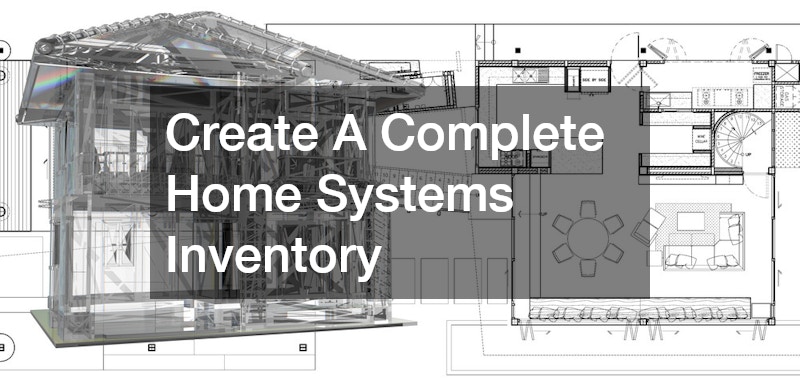
One of the most useful steps homeowners can take is creating an inventory of the major systems throughout the property. This provides a clear picture of what the home depends on and makes it easier to plan maintenance, repairs, and replacements.
Start by documenting each major system, including its location, installation date, manufacturer, model number, and service history. Keep copies of warranties, invoices, inspection reports, and owner’s manuals in one physical or digital location. This information can be especially valuable when a system requires emergency service because a technician can quickly understand what equipment is installed.
Homeowners should also note the approximate age and expected service life of major equipment. An older system does not necessarily need immediate replacement, but its age can help determine where future expenses are likely to occur.
When working with an HVAC company or other professional, having this information readily available can make consultations more productive. The same principle applies when contacting a plumbing company. Instead of trying to remember when equipment was installed or repaired, homeowners can provide accurate records that help professionals evaluate the situation.
A useful home systems inventory should include:
- Heating and cooling equipment
- Water heaters
- Main water shutoff location
- Drainage and sump equipment
- Septic tank and drain field locations, if applicable
- Major plumbing fixtures
- Exterior drainage features
- Previous repair and replacement dates
Update the inventory whenever a repair, inspection, or replacement occurs. Over several years, this simple record can become an invaluable reference for managing the property.
Recognize Problems Before They Become Emergencies
Many expensive home-system failures provide warning signs before they become emergencies. Learning to recognize those signs allows homeowners to respond while the problem is still manageable.
For heating and cooling equipment, warning signs may include unusual noises, weak airflow, inconsistent temperatures, frequent cycling, unusual odors, or unexplained increases in energy consumption. A system that suddenly performs differently from normal deserves attention, even if it continues operating.
Some homeowners delay professional service because the equipment still works. However, continued operation does not necessarily mean everything is functioning properly. A component that is struggling may place additional stress on other parts of the system, potentially increasing the eventual repair cost.
Professional HVAC repair may be appropriate when equipment repeatedly breaks down, fails to maintain comfortable temperatures, produces unusual sounds, or develops other persistent problems. Homeowners should avoid repeatedly resetting equipment or making temporary fixes without determining the underlying cause.
Water-related problems can also begin subtly. A slow drain, small leak beneath a sink, damp basement area, or unexplained change in water pressure may indicate a larger issue.
Watch for these warning signs:
- Water stains on ceilings or walls
- Persistent musty odors
- Slow or frequently clogged drains
- Unexplained increases in water usage
- Damp areas around foundations
- Standing water near drainage equipment
- Unusual sounds from pipes or mechanical equipment
Addressing these symptoms early can help prevent damage from spreading to flooring, drywall, insulation, framing, or other components.
Plan Seasonal Heating And Cooling Maintenance
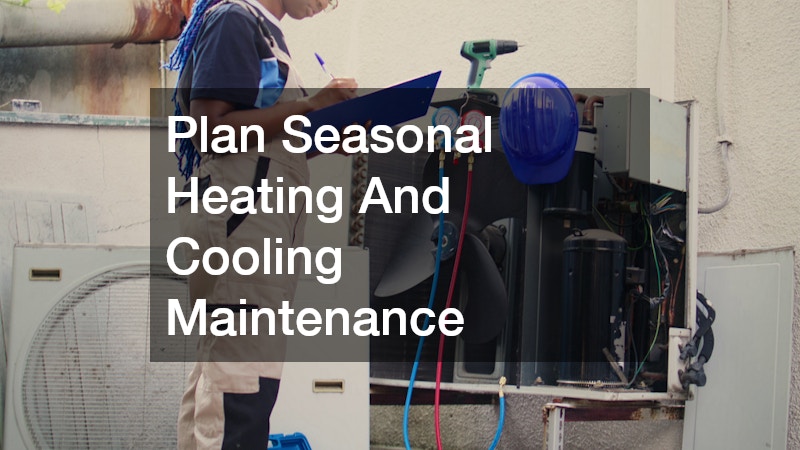
Seasonal preparation helps ensure that major equipment is ready when homeowners need it most. Waiting until the first extremely hot or cold day to discover a problem can result in discomfort and longer service wait times.
Before the cooling season, homeowners should replace or clean filters according to the equipment manufacturer’s recommendations. They can also make sure outdoor equipment is free of leaves, grass clippings, and other debris that could restrict airflow. Indoor vents should remain unobstructed, and thermostats should be checked to ensure they respond properly.
Before winter, homeowners should similarly inspect their heating equipment and make sure vents and registers are unobstructed. Unusual smells, noises, or inconsistent heating should be investigated before temperatures drop significantly.
Homeowners planning a heating installation should consider more than the equipment’s purchase price. The size of the home, insulation levels, existing ductwork, energy efficiency, and expected usage can all affect which system is appropriate. Professional sizing and installation can help prevent problems associated with equipment that is too large or too small for the property.
A seasonal maintenance routine can include:
- Replacing or cleaning filters as recommended
- Checking thermostats
- Inspecting accessible ductwork
- Clearing outdoor equipment of debris
- Checking vents and registers
- Scheduling professional inspections when appropriate
- Reviewing unusual changes in system performance
Routine maintenance does not eliminate every possible failure, but it can help identify developing problems before they become urgent.
Know When Repair Is Better Than Replacement
Eventually, every major mechanical system reaches a point where homeowners must decide whether to repair it or replace it. Making that decision based solely on the immediate repair price can be misleading.
Consider the equipment’s age, repair history, operating costs, efficiency, and expected remaining service life. A relatively inexpensive repair may make sense for newer equipment in good condition. Repeated repairs on an aging system may be less practical, particularly if additional components are likely to fail.
Homeowners should also consider whether the equipment still meets the property’s needs. Changes to the home, such as an addition, renovation, improved insulation, or changes in occupancy, may affect heating and cooling requirements.
For homeowners considering AC installation, it is important to evaluate the entire system rather than focusing only on the new outdoor unit. Equipment capacity, indoor components, ductwork, controls, and installation quality all influence performance.
Before approving a major project, ask the professional:
- What caused the current problem?
- How much will the repair cost?
- How long is the existing equipment expected to last?
- Are additional failures likely?
- What would replacement cost?
- How would a new system affect efficiency?
- What warranties are included?
Getting clear answers can make a major financial decision much easier.
Protect Your Home From Water Damage

Water can cause extensive property damage when it enters areas where it does not belong. Preventing that damage requires attention to both indoor plumbing and exterior drainage.
Homeowners should periodically inspect areas where water problems commonly develop. Look beneath sinks, around toilets, near water heaters, inside utility rooms, and around basement walls. Small signs of moisture should not automatically be dismissed as harmless.
Basements and crawl spaces deserve particular attention because problems can remain unnoticed until significant moisture damage has occurred. Look for dampness, discoloration, peeling materials, mold-like growth, or musty odors.
A sump pump can play an important role in protecting properties that are vulnerable to groundwater or basement flooding. Homeowners who need a sump pump installer should make sure the professional evaluates the property’s drainage conditions and recommends equipment appropriate for the home’s needs.
Exterior drainage matters as well. Gutters and downspouts should direct water away from the foundation rather than allowing it to collect beside the home. The grading around the property should also encourage water to flow away from the structure.
Helpful preventative measures include:
- Keep gutters free of leaves and debris.
- Extend downspouts away from the foundation.
- Inspect basement walls for moisture.
- Test sump equipment periodically.
- Repair leaking fixtures promptly.
- Avoid ignoring recurring drainage problems.
The goal is not simply to remove water after it enters the property. Effective maintenance should reduce the opportunity for water to enter in the first place.
Maintain Plumbing Systems With Preventive Habits
Everyday household habits can have a significant effect on plumbing performance. Many common plumbing problems develop gradually because drains, pipes, and fixtures are repeatedly exposed to conditions they were never designed to handle.
Grease, cooking oils, wipes, paper products, and other inappropriate materials should not be introduced into drains. Even products marketed as flushable can contribute to blockages, particularly in older systems or properties with sensitive drainage infrastructure.
Homeowners should also pay attention to changes in water pressure. A sudden increase or decrease may indicate a problem that needs professional evaluation. Similarly, a fixture that drips continuously should not be ignored simply because the leak appears minor.
When homeowners need plumbers, they should provide as much information as possible about the problem. Explaining when the issue started, whether it occurs at multiple fixtures, and whether the problem has happened before can help professionals diagnose the cause more efficiently.
Simple preventive habits include:
- Fix dripping faucets promptly.
- Avoid pouring grease into drains.
- Use drain screens where appropriate.
- Do not flush unsuitable materials.
- Know the location of the main water shutoff.
- Monitor changes in water pressure.
- Investigate recurring clogs instead of repeatedly treating symptoms.
Professional plumbing services can address problems that are beyond basic homeowner maintenance, particularly when leaks occur inside walls, multiple drains are affected, or water pressure changes unexpectedly.
Manage Septic Systems According To Property Needs

Homes without access to municipal sewer systems depend on private wastewater management. Proper maintenance is essential because septic problems can affect the property, surrounding soil, and household sanitation.
Homeowners should know where the septic tank and drain field are located and keep those areas accessible. Heavy vehicles, structures, or extensive landscaping should not be placed where they could interfere with the system.
Water usage also matters. Sending excessive amounts of water through the system in a short period can place unnecessary stress on the tank and drain field. Efficient fixtures, prompt leak repairs, and reasonable water-use habits can help reduce that burden.
Professional septic pumping services should be scheduled according to the system’s needs rather than waiting until a major problem occurs. Household size, tank capacity, wastewater volume, and system condition can all affect how frequently service is needed.
For properties requiring septic tank installation, homeowners should also understand that proper site evaluation and system design are essential. Soil characteristics, property layout, local requirements, household needs, and expected wastewater flow can influence the appropriate system.
Watch for potential septic problems such as:
- Slow drains throughout the home
- Unpleasant odors near the tank or drain field
- Unusually wet areas
- Sewage backups
- Unusually lush vegetation over the drain field
- Gurgling plumbing fixtures
Early professional evaluation can help determine whether the problem involves the tank, drain field, plumbing, or another component.
Prepare Drainage Systems Before Heavy Rain
Heavy rainfall can quickly expose weaknesses in a property’s drainage system. Homeowners should therefore inspect drainage features before storm seasons rather than waiting for flooding to reveal a problem.
Begin with gutters and downspouts. Remove accumulated debris and make sure water flows freely through the system. Downspouts should discharge far enough away from the foundation to prevent water from collecting alongside the structure.
Next, inspect the property’s grading. Low areas near the foundation may collect runoff and allow moisture to move toward the structure. Correcting drainage issues may require professional evaluation, particularly when water repeatedly collects in the same location.
Basement drainage equipment should also be checked. A sump pump should activate properly, discharge water away from the foundation, and have an appropriate backup strategy when necessary.
Homeowners can prepare for severe weather by:
- Cleaning gutters before major storms.
- Checking downspout extensions.
- Inspecting exterior drains.
- Testing sump equipment.
- Removing debris from drainage pathways.
- Keeping valuable items elevated in flood-prone basement areas.
- Reviewing backup options for critical equipment.
These steps can reduce the risk of water damage and give homeowners an opportunity to identify drainage deficiencies before severe weather arrives.
Choose Qualified Professionals For Major Projects
Choosing the right professional is one of the most important parts of managing major property systems. Homeowners should avoid selecting a contractor based solely on the lowest estimate.
Before hiring someone, verify applicable licensing and insurance requirements. Homeowners should also look for relevant experience with the specific system or project involved. A professional who routinely handles a particular type of installation or repair may be better equipped to identify potential complications.
Written estimates are also valuable. A detailed proposal should explain the work being performed, materials or equipment involved, labor costs, warranties, and any exclusions that could affect the final price.
Homeowners should ask:
- Is the contractor properly licensed and insured?
- What experience do they have with this type of project?
- Is a written estimate available?
- What warranties are included?
- Are permits required?
- Who will perform the actual work?
- How will unexpected issues be handled?
Communication matters throughout the project. Homeowners should be cautious of vague estimates, unexplained charges, pressure to make immediate decisions, or contractors unwilling to provide documentation.
A qualified professional should be able to explain the problem and recommended solution in language the homeowner can understand. That transparency helps property owners make informed decisions instead of approving work they do not fully understand.
Build A Long-Term Maintenance And Replacement Budget
Major property systems should be treated as long-term investments. Even with excellent maintenance, equipment eventually wears out, and homeowners who plan ahead are generally better positioned to handle those expenses.
Create separate budget categories for routine maintenance, minor repairs, emergency repairs, and major replacements. This approach makes it easier to determine which costs are expected and which require an emergency reserve.
System age should be part of the planning process. If several major components were installed around the same time, replacing them all simultaneously may create a significant financial burden. Understanding their ages allows homeowners to anticipate which systems may need attention first.
Homeowners can prioritize expenses based on:
- Safety concerns
- Risk of property damage
- Frequency of breakdowns
- Energy or water efficiency
- Equipment age
- Repair costs
- Availability of replacement parts
- Consequences of system failure
It is also wise to maintain an emergency fund specifically for unexpected property repairs. A failed mechanical system or serious plumbing problem rarely occurs at a convenient time. Having funds available can prevent homeowners from delaying necessary work or making decisions based solely on immediate affordability.
Regularly reviewing the home’s maintenance records and budget can turn unexpected problems into predictable planning opportunities.
Managing a home successfully requires a combination of awareness, preparation, preventive maintenance, and informed decision-making. Homeowners do not need to become experts in every system on their property, but they should understand the basic role each system plays, know where important equipment is located, and recognize when something is not operating normally.
Creating a property inventory, keeping detailed service records, preparing systems seasonally, monitoring for warning signs, and budgeting for future replacements can make homeownership more predictable. Professional evaluations are particularly important when problems involve complex equipment, hidden components, wastewater systems, or potential structural damage.
The best maintenance strategy is one that begins before an emergency occurs. By taking small, consistent steps throughout the year, homeowners can protect their property, improve system reliability, and make major repair and replacement decisions with greater confidence.
