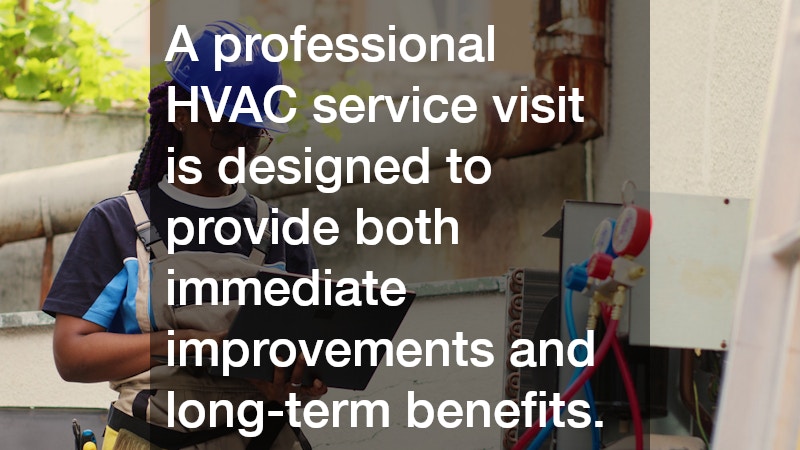
What Happens During a Professional HVAC Service Visit
A well-maintained heating and cooling system plays a critical role in keeping a home comfortable throughout the year. Scheduling regular maintenance helps ensure that the system operates efficiently, reduces the risk of unexpected breakdowns, and extends the overall lifespan of the equipment. A professional HVAC service visit is designed to evaluate system performance, identify potential issues early, and keep everything running smoothly.
During a typical visit, a trained technician follows a structured process that includes inspection, cleaning, testing, and minor adjustments. Each step is intended to uncover hidden concerns that may not be obvious to homeowners while also optimizing system performance.
Understanding what takes place during this process can help homeowners feel more informed and confident when arranging routine maintenance.
In many cases, a routine HVAC service appointment serves as a preventive measure rather than a reactive one. By addressing small inefficiencies before they escalate, homeowners can avoid costly repairs and maintain consistent indoor comfort. The following sections outline the key steps involved in a professional visit and explain what homeowners can expect from start to finish.
Initial System Inspection and Evaluation
The first stage of a professional visit typically involves a comprehensive inspection of the entire system. The technician begins by reviewing the thermostat settings and verifying that the system responds correctly to temperature adjustments. This initial check helps determine whether the controls are functioning properly and communicating effectively with the equipment.
Next, the technician examines both the indoor and outdoor components of the system. This includes the air handler, condenser unit, evaporator coil, and associated wiring. The goal of this evaluation is to identify visible signs of wear, corrosion, leaks, or damage that could affect performance. Even minor issues, if left unchecked, can develop into larger problems over time.
Airflow is another important factor assessed during this stage. The technician may check vents, ductwork, and filters to ensure that air is circulating efficiently throughout the home. Restricted airflow can place unnecessary strain on the system, leading to reduced efficiency and uneven temperature distribution. Identifying these issues early allows for timely corrections that support overall system health.
Cleaning and Component Maintenance
After the initial inspection, the technician typically performs cleaning tasks to remove dust, debris, and buildup from key components. Over time, dirt accumulation can impact system efficiency and contribute to wear and tear. Cleaning these components helps maintain optimal performance and reduces the likelihood of future malfunctions.
Coils, filters, and blower components are often the focus of this stage. Dirty coils can hinder heat transfer, while clogged filters restrict airflow and force the system to work harder than necessary. By addressing these areas, the technician helps restore proper function and improve energy efficiency.
Identifying Potential Issues and Recommendations
During the visit, the technician may identify minor or emerging issues that could affect system performance in the future. These observations are documented and communicated to the homeowner, often along with recommendations for repair or replacement. Early identification allows homeowners to plan ahead and avoid unexpected breakdowns.
Not all findings require immediate action, but understanding the condition of the system helps prioritize maintenance decisions. For example, a worn belt or aging capacitor may still function but could fail if not replaced in a timely manner. Addressing these components proactively can prevent more serious complications later on.
Technicians may also provide guidance on improving system efficiency through simple adjustments or behavioral changes. This could include thermostat programming suggestions, filter replacement schedules, or airflow improvements. These insights help homeowners get the most out of their system while maintaining consistent comfort levels throughout the home.
Final System Review and Documentation
At the conclusion of the visit, the technician performs a final review to ensure that all components are functioning properly and that no issues were overlooked. This final check serves as a quality assurance step before the service is completed. Any adjustments made during the visit are verified to confirm that the system is operating as expected.
Documentation is typically provided outlining the work performed, findings, and any recommendations for future maintenance or repairs. This record helps homeowners track the condition of their equipment over time and provides valuable information for future service visits. Keeping a history of maintenance can also be beneficial for warranty purposes and long-term system planning.
A professional HVAC service visit is designed to provide both immediate improvements and long-term benefits. By combining inspection, cleaning, testing, and expert evaluation, technicians ensure that the system remains reliable and efficient. This structured approach helps reduce the likelihood of unexpected issues while maintaining a comfortable indoor environment.
A professional HVAC service visit involves a thorough and methodical process that focuses on maintaining system performance, identifying potential problems, and ensuring safe operation. From the initial inspection to the final review, each step is designed to support efficiency and reliability while giving homeowners peace of mind.
By staying proactive and scheduling consistent maintenance, homeowners can keep their systems running smoothly throughout the year. A well-maintained system not only performs better but also provides a more comfortable and dependable living environment in every season.