Strange Noises From Your System That Signal Real Trouble
A quiet, smoothly running heating and cooling system is easy to take for granted, which is exactly why odd sounds tend to grab your attention right away. Banging, squealing, hissing, or rattling noises are not just annoying background noise; they are often your equipment’s way of telling you something is wearing out, loosening up, or failing. Learning to recognize what these sounds mean can help you catch small problems before they turn into costly breakdowns. This guide breaks down the most common warning noises by system component so you know when a simple fix will do and when it is time to call for professional help.
Banging and Booming From the Furnace Cabinet
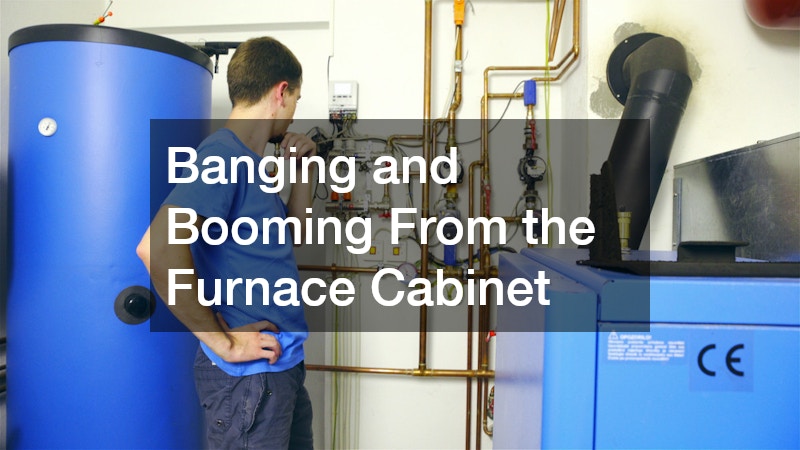
A loud bang or boom when your furnace kicks on is one of the more alarming sounds a homeowner can hear, and it usually points to delayed ignition. This happens when gas builds up in the combustion chamber before igniting, causing a small explosion that can stress the heat exchanger over time. Ignoring this noise repeatedly can shorten the life of your equipment and, in worse cases, create a safety hazard.
If you hear banging consistently, it is worth scheduling furnace repair sooner rather than later so a technician can inspect the burners, igniter, and gas pressure. Many heating contractors will tell you that dirty burners are a frequent culprit, and cleaning them often resolves the issue without needing major part replacement. Waiting too long, however, can turn a simple cleaning into a much bigger repair bill.
Squealing Belts and Motors in Your Blower
A high-pitched squeal coming from your indoor unit often means a belt is slipping, worn, or misaligned, though it can also indicate a motor bearing that is losing lubrication. Belt-driven blowers rely on tension to transfer power efficiently, and even a quarter-inch of slack can cause enough friction to produce that telltale shriek every time the system cycles on.
Older furnaces and air handlers with belt-driven blowers are especially prone to this issue as components age and stretch. Rubber belts typically last 3 to 5 years before they harden, crack, or lose their grip, and systems installed before the mid-2000s are more likely to use this design than newer direct-drive models.
A bearing issue tends to sound slightly different, often more of a metallic screech or grinding whine rather than a clean squeal, and it usually points to a motor that’s overdue for lubrication or replacement. Unlike a belt problem, worn bearings won’t improve with a simple adjustment; they signal that the motor itself is wearing down internally.
The sound tends to get louder and more frequent the longer it goes unaddressed. Left unchecked, a slipping belt can eventually snap entirely, leaving your blower unable to circulate air, while a failing bearing can cause the motor to seize and require a full replacement costing several hundred dollars more than a routine belt swap.
A high-pitched squeal every time your blower kicks on usually points to one of two culprits: a worn or misaligned belt, or a motor bearing that’s losing lubrication. Belts stretch and glaze with age, causing them to slip against the pulley and shriek until they either get replaced or snap altogether. Bearings, on the other hand, tend to announce their decline with a squeal that shifts into a grinding or rattling noise as the wear progresses.
While belt squeals might seem minor, a failing motor bearing can eventually seize entirely, leaving you without heat or airflow at the worst possible time. A seized blower motor typically means an emergency repair call and, depending on the age of the unit, a replacement cost that runs into the hundreds of dollars — far more than the price of a new belt or a bearing service caught early.
Routine maintenance visits are the easiest way to catch worn belts and bearings before they fail, since a trained eye can spot fraying, glazing, or excess play during a simple inspection. Technicians typically check belt tension, look for cracks along the belt’s ridges, and test the motor shaft for wobble that signals bearing wear. Scheduling this check twice a year, ideally before the heating and cooling seasons ramp up, gives you the best odds of catching a problem while it’s still an inexpensive fix.
Clicking Sounds When Your Thermostat Cycles
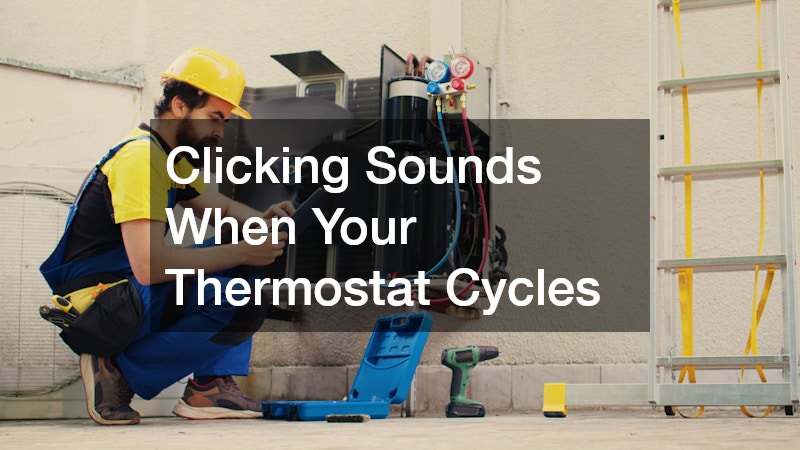
A single clicking sound when your system starts or stops is completely normal and just reflects relays engaging inside the unit. However, rapid or repeated clicking without the system actually starting is a different story and often signals an electrical or ignition control problem. This kind of clicking can indicate the system is trying and failing to start, which puts extra strain on components.
- A faulty capacitor preventing the compressor or fan motor from starting
- A cracked or worn flame sensor causing ignition failure
- Loose electrical connections creating intermittent contact
- A failing control board sending inconsistent signals
If clicking becomes frequent and nothing seems to actually power on, shutting the system off and calling for professional attention is the safer move than repeatedly trying to restart it yourself.
Rattling Noises Coming From Outdoor Condenser Units
Outdoor units take a beating from weather, debris, and general wear, so rattling is fairly common but should never be ignored. Loose fan blades, debris caught in the cabinet, or a deteriorating base pan can all create a rattle that gets worse with time. Sticks, leaves, and small rocks kicked up by mowers are surprisingly frequent causes as well.
If you notice rattling paired with reduced cooling performance, it may be time to consider professional air conditioning inspection rather than assuming it will resolve on its own. Loose panels are usually an easy fix, but a wobbling fan motor or damaged compressor mount requires more serious attention. Catching this early helps avoid a much more expensive outdoor unit repair down the road, and scheduling AC repairs promptly can save you from a full system breakdown during the hottest months.
Hissing or Whistling Sounds Near Refrigerant Lines
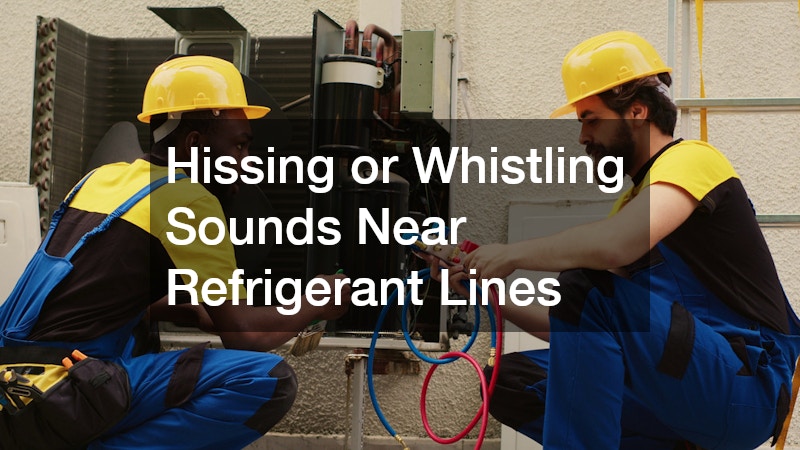
A hissing or whistling noise near your indoor or outdoor unit is one of the more serious sounds you can hear, since it often points to a refrigerant leak. Refrigerant operates under pressure, and even a small crack or loose fitting in the line can create an audible hiss as it escapes. Beyond the noise itself, low refrigerant levels force your system to work harder and can eventually damage the compressor entirely.
- Reduced cooling capacity even when the system runs constantly
- Ice forming on the indoor coil or refrigerant lines
- Higher than normal energy bills without a clear explanation
- A faint chemical or sweet smell near the unit
Because refrigerant handling requires certification and specialized equipment, this is not a do-it-yourself repair. A qualified HVAC company can pressure test the lines, locate the leak, and recharge the system safely and in compliance with environmental regulations.
Buzzing Noises From Ductless Systems
Ductless mini split systems are generally quieter than traditional central units, so any new buzzing or humming noise tends to stand out quickly. Common causes include loose mounting brackets on the indoor head, debris in the outdoor compressor unit, or an electrical issue within the control board. Vibration against a wall or improper installation of the wall bracket can also cause a persistent buzz that worsens over time.
Because these systems have specialized components not found in traditional furnaces or central air conditioners, scheduling mini split service with a technician familiar with ductless equipment is important. Attempting to open the indoor unit yourself risks damaging delicate coils or electrical connections. A professional visit can usually resolve buzzing quickly once the source is identified.
Grinding or Scraping From the Blower Wheel
A grinding or metal-on-metal scraping sound almost always points to a mechanical problem inside the blower assembly, often caused by a wheel that has come loose from its set screw on the motor shaft. When that connection loosens, the wheel wobbles instead of spinning true, and it can begin striking the surrounding housing with every rotation. Left unchecked, this wobble puts extra strain on the motor bearings, which can turn a simple tightening job into a full motor replacement.
Dirt and debris buildup can also throw the blower wheel off balance, causing it to scrape against the housing as it spins. Dust, pet hair, and even small pieces of insulation can collect unevenly on the wheel’s blades, and just an eighth of an inch of buildup on one side is enough to create a noticeable wobble. Over time, that imbalance accelerates wear on the bearings and shaft, so cleaning the wheel early can prevent a costlier repair down the line.
This type of noise tends to get progressively louder rather than fading away on its own. What starts as a faint tick or scrape at low fan speeds often escalates into a harsh, continuous grind within a few days or weeks of regular use. If you notice the sound worsening every time the system cycles on, it’s a strong signal to shut the unit off and call a technician before the blower motor seizes or burns out entirely.
A grinding or scraping sound from the blower wheel usually means a bearing has worn out, a screw or bracket has come loose, or the wheel itself has shifted out of alignment and is scraping against the housing. None of these issues fix themselves, and each one gets worse the longer the system keeps running.
Continuing to run a system with a grinding blower wheel can cause the motor to overheat or the wheel to crack entirely, leading to a full component replacement instead of a simple repair. A blower motor replacement alone can run several hundred dollars, and if the motor burns out completely, you’re looking at even higher labor costs on top of the part itself.
If your system is older and already showing multiple signs of wear, this might also be a good time to weigh the cost of repair against furnace replacement, especially if the unit is nearing the end of its expected 15-to-20-year lifespan. A good rule of thumb: if the repair cost exceeds 50% of what a new furnace would cost, replacement is usually the smarter long-term investment. Factor in previous repairs, rising energy bills, and how many years you realistically expect to get out of the current unit before making that call.
Popping and Ticking in Metal Ductwork
Popping or ticking sounds coming from your ducts are usually caused by metal expanding and contracting as air temperature changes, similar to the sound a cooling car engine makes. This is generally harmless, though it can be more noticeable in ductwork that was sized incorrectly or installed with thin-gauge metal. Excessive popping might also indicate a duct panel is loose and vibrating against a frame or joist.
- Insulating ductwork to reduce temperature swings and noise
- Securing loose duct sections with additional support straps
- Sealing seams that may be vibrating due to air pressure changes
- Having ductwork inspected if popping is paired with noticeable air leaks
If the sound is more than a minor annoyance, a technician performing routine HVAC services can assess whether the ductwork itself needs adjustment or additional support.
Loud Startup Noises Signaling It Is Time for New Equipment
Sometimes a noise is not a sign of a single failing part but rather an indication that your entire system is reaching the end of its useful life. Old age combined with multiple noise complaints, rising repair costs, and declining efficiency often makes replacement the more sensible financial choice. A system limping along on repeated repairs can also fail unexpectedly during extreme weather when you need it most.
If you are hearing new noises every few months and your equipment is over 12 to 15 years old, it is worth getting quotes for heating installation or AC installation rather than continuing to patch an aging system. Modern units also tend to run quieter and more efficiently, which can offset the upfront cost through lower energy bills. Before committing to either option, ask for a load calculation on your home so the new equipment is sized correctly, since an oversized or undersized system can bring back many of the same loud startup noises you were hoping to leave behind.
Strange noises are rarely something to ignore, since they almost always point to a specific mechanical or electrical issue that will only worsen with time. Paying attention to when a sound occurs, what it sounds like, and whether it changes over time gives a technician valuable information for diagnosing the problem quickly. If you have noticed any of the sounds described above, scheduling a professional inspection now is the best way to protect your comfort, your budget, and your equipment’s lifespan.
